Is an Online Hunter Safety Course Accepted in Every State?
Most online hunter safety courses in one state are recognized in other states, but the rules can vary dramatically. That’s good news for aspiring and non-resident hunters who aren’t sure whether the online hunter safety course accepted in their state is accepted in others.
ilearntohunt offers legitimate online courses that meet IHEA-USA hunter education standards. So, the hunter education certificate you earn through ilearntohunt is the same type of certificate you’d receive after completing a traditional in-person course. But beware that each state has its own requirements for online hunter education.
Some states issue a certificate if the student passes only the online course, but others mandate an in-person field day once the online portion is completed. A handful of states don’t allow online instruction and still require students to participate in an in-person class.
Before you enroll in an online course, check your state wildlife agency’s website or your state’s ilearntohunt resources. Knowing the rules beforehand can save you time and ensure your hunter education certificate is valid and can be used to buy a hunting license.
How to Confirm an Online Hunter Safety Course Accepted by Your State
Before you choose an online hunter safety course, double-check that it meets your state’s hunter education requirements by following the steps below.
- Visit your ilearntohunt state page. These resources can help confirm if online certification is an option and the steps you need to take to earn your hunter education certification.
- Check for any field-day requirements. Some states require students to attend a short field day once they pass the online course. Note that field-day requirements may also be age-based, so carefully read your state’s rules on who is mandated to participate.
- Enroll if your state is fully online-eligible. If you live in a state that accepts the full online course without a field day, you can enroll immediately and get started. Once you complete the lessons and pass the final exam, you should be able to download your certificate or have it mailed to you without another in-person step.
- Complete the online portion, then schedule any required field days. If you live in a state that allows for a hybrid course (online plus field day), you’ll have to complete the online course and pass the final exam before you can schedule the field day. After attending the field day, you’ll be issued your certification.
- Use your hunter education certificate to purchase your license. Once you’ve been issued your hunter education certificate, you’ll use that unique certificate number as proof of certification when buying your state hunting license.
Since hunter education requirements often vary by age and state wildlife agency, always confirm who needs to complete hunter education before selecting the appropriate course.

State Course Format Requirements
The course format you’re allowed to take in your home state can dictate how quickly you can move from start to finish. Below are the three most common formats.
Hunter Safety Course Formats | ||
Format | Description | Field Day Required |
Fully online | Complete the entire course online and receive your certificate immediately after passing | No |
Hybrid | Complete the online study portion, then attend a short in-person day to finish certification | Yes |
In-person only | Complete classroom instruction with an instructor from start to finish | Yes (included as part of the course) |
Note that one course format isn’t more valid than another. A fully online, hybrid, or in-person course meets the same IHEA-USA standards and hunter education goals:
- Helping students learn safety standards
- Teaching the importance of hunting ethics
- Improving conservation knowledge
- Promoting a greater understanding of state and federal hunting regulations
Many new hunters mistakenly think they only need to buy a license and tags and forget to factor in the time needed to complete a hunter education course before their first deer season. Before you enroll, make sure your state’s wildlife agency accepts the course you want to take.
Why States Require Hunter Education
States require hunters to complete a hunter education course for several reasons, including safety and hunting license verification. But they also teach essential lessons in ethical hunting practices and conservation.
- It supports nationwide safety standards. New hunters often lack the experience and skills for safe firearms handling, muzzle control, understanding safe zones of fire, and recognizing that every round they fire legally has their name on it.
- It validates hunting license eligibility. States use hunter safety certificates as a gateway to purchasing a hunting license because completing the course gives hunters a common baseline of knowledge. Not every hunter comes from a hunting family or has learned from an experienced hunting or firearms mentor. Therefore, the hunter education course can help new hunters start on the right foot when they head to the field.
- It reinforces ethics and conservation. The “softer,” but still critical, skills of ethical hunting practices help ensure this outdoor pursuit can continue for future generations. Topics typically include fair chase, respect for landowners, conservation, wildlife identification, and sharing public hunting lands with others.
- It funds conservation. States also indirectly tie certification requirements to funding conservation projects through hunting license purchases. Portions of the license fees and excise taxes on ammunition, firearms, and archery equipment help fund public access, wildlife management projects, and hunter education programs.
As you can see, the course is just one part of a larger hunter education system that supports both safety and conservation. And that’s why it’s such an important requirement in nearly every state.
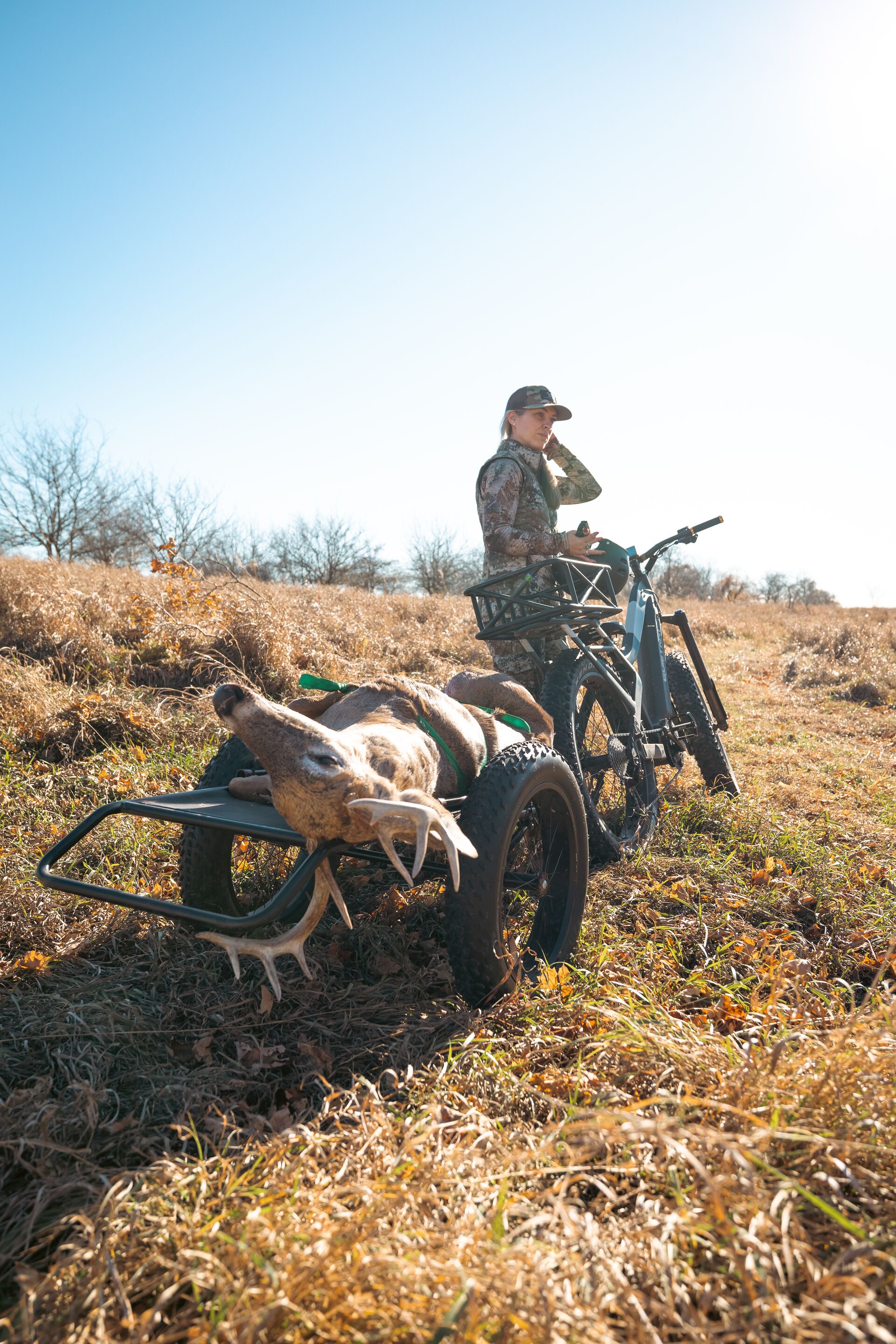
Although the course formats differ (fully online, hybrid, or in-person), they all share the same purpose: preparing hunters to act safely and legally and to be responsible stewards of the lands they hunt on and the wildlife they harvest.
What Reciprocity Means for Hunters Who Move or Hunt Out of State
Hunter education reciprocity means that if you’re certified in one state, that certificate is considered valid in other states. For example, if you move to another state or apply for a non-resident hunting license, you should not need to retake a hunter education course in that state.
Reciprocity only applies to the certificate. Each state’s hunting rules, season dates, license requirements, bag limits, tag rules, harvest reporting, and legal equipment restrictions are unique.
Make sure to check the rules in the state you’re hunting before heading into the field.
Once you have the certificate, reciprocity agreements recognize that you have completed the hunter safety program. That means if you were not required to attend a field day in your state and are hunting in a new state that does, you shouldn’t have to participate in a field day in the new state. Your certification is what matters, not the format you used to earn it.
That being said, don’t assume there won’t be additional conditions for out-of-state or online certifications. Always check with the other state’s wildlife agency to ensure your certification is valid before purchasing a hunting license or tags.
Keep Your Certificate Handy
Because your hunter education certifications are important, keep the certificate number easily accessible. Save a digital copy, and print a paper backup to store in a secure location. That number will be handy if you get a non-resident license, apply for special tags, or need to replace a lost certificate.
You’ve worked hard to earn your hunting license. Violating license or tag requirements can carry serious legal and financial consequences that can potentially permanently end your hunting pursuits.

Verify Your State's Rules, Then Get Certified with ilearntohunt
An online hunter safety course accepted in one state should be accepted in other states, but that’s not guaranteed. That’s why you should always confirm which instructional format (fully online, hybrid, or in-person) is required by the state you currently live in.
If your state offers a fully online ilearntohunt course, you can get started right away. Even if your state requires a field day, you can still start the online portion now.
Then, once you’ve passed the course’s final exam, you can schedule the field day. Give yourself leeway and start as soon as possible. Field days tend to fill up the closer you are to the season opener.
Choose the ilearntohunt course for your state and enroll today. Most students can finish the online portion over a weekend, with many completing the modules in three to four hours.

Frequently Asked Questions (FAQs)
Q: Which states accept online hunter safety courses?
A: Many states accept online hunter education, but the format and eligibility rules vary. Some states allow a fully online course, while others require an in-person or virtual field day after the online portion.
Q: Is an online hunter safety certificate valid for life?
A: In most cases, hunter education certification does not expire once you have completed all requirements and received your permanent certificate. However, temporary certificates, online completion vouchers, and certificates issued before a required field day may have different rules.
Q: What if I earned my certificate online in one state. Is it valid in another?
A: Generally, hunter education certificates are recognized across state lines through reciprocity, but you should confirm with the state where you plan to hunt.
Q: What happens if my state does not offer a fully online course?
A: You may still be able to complete part of your hunter education online and finish the certification through a required field day or in-person class. The specific process depends on your state's rules.
Q: Can I use a certificate earned in a different state to hunt in my state?
A: Usually, yes. Many states recognize hunter education certificates issued by other states when they meet applicable hunter education standards. You should still verify the rules with your state's wildlife agency before purchasing a license.
Q: Does ilearntohunt's online course meet IHEA-USA standards?
A: Yes. ilearntohunt courses are approved by IHEA-USA and the applicable state wildlife agency. Review your ilearntohunt state page to confirm any in-person or field-day requirements.
Q: How do I find my state's specific hunter education requirements?
A: Start with your ilearntohunt state resource or state wildlife agency's hunter education page. Check whether your state allows online certification, requires a field day, or has age-specific requirements. IHEA-USA also provides a state-by-state map where you can find hunter education requirements and courses for all 50 states.