Who Needs Hunter Education in the US? (and How to Get It Online)

In the United States, almost every state requires first-time hunters to complete a certified hunter education course before purchasing a hunting license.
The specific requirement is usually tied to your date of birth. Most states require anyone born after a certain date to be certified. However, a handful of states require all first-time hunters to certify regardless of age. Hunters can complete their state's hunter education requirement online in most states through providers like ilearntohunt, which offers state-approved courses that meet IHEA-USA standards.
Your certificate is recognized through reciprocity across all US states, Canada, and many other countries. You only earn it once. It never expires.
While it’s easy to focus on all of the equipment, clothing, and marksmanship skills required to be a successful hunter, many novices tend to forget a crucial first step: completing their state’s required hunter education course. Let’s take a closer look at who needs to take this course and why states want you to complete one before issuing you a hunting license.
Updated July 28, 2026
Understanding the Basics of Hunter Education Requirements
Most U.S. states currently require the completion of a hunter education course. However, some states require you to complete their course, while others will accept course certificates from other states.
While these regulations may seem like unnecessary bureaucratic obstacles to hunters, they were designed to create safer, better-informed, and more ethical hunters. Well-designed courses will cover vital safety advice, firearm fundamentals, first aid, hunting skills, game management, and wildlife conservation principles. State-specific courses go a step further and help new hunters navigate local regulations and land access issues.
Completing this type of hunter education curriculum is a highly beneficial first step to becoming an ethical and skilled hunter.
Who Must Complete Hunter Education?
While every state has its own rules regarding hunter education requirements, there are generally three classifications of people who need to show proof of completing a hunter education course before a hunting license can be purchased.
Youth Hunters
Many U.S. states mandate that hunters 16 and under complete a certified hunter education course before they are allowed to purchase their first hunting license. This requirement helps young hunters, who may need a mentor, develop safe and effective habits in the field.
New Hunters
Never had a hunting license before? If so, you’ll need to complete a hunter education course, regardless of your age.
States require this course to ensure new hunters understand safe hunting practices and state hunting laws.
Birth Date Requirements
Age does come with benefits. Several states use your date of birth as a cutoff for opting out of hunter education requirements. While each state varies, most mandate that you complete a hunter education course if you were born after 1966, regardless of your hunting experience. Please note that these cutoff years vary by state.
The bottom line is that you must check your state’s licensing regulations before the start of hunting season.
In some states, an in-person field day is part of the requirement, and those courses can fill up quickly. You’ll want to complete your requirements to get your license and tags on time.
Hunter Education Requirements by State | ||
State | Requirement | Online Option |
Alabama | Born on or after 8/1/1977 | Yes |
Alaska | Born after 1/1/1986 | Yes (field day required) |
Arizona | 10–14 years old, hunting big game | Yes (field day required) |
Arkansas | Born on or after 12/31/1968 | Yes |
California | All first-time hunters | Yes (field day required) |
| Colorado | Born on or after 1/1/1949 | Yes (field day required) |
| Connecticut | First-time license | Yes (field day required) |
| Delaware | Born after 1/1/1967 | Yes (field day required) |
| Florida | Born after 6/1/1975 (public lands) | Yes (field day required) |
Georgia | Born on or after 1/1/1961 | Yes (field day may be required by age) |
| Hawaii | First license, or born after 12/31/1971 | Yes |
| Idaho | Born after 1/1/1975 | Yes (field day required for minors) |
Illinois | Born after 1/1/1980 | Yes (field day required under 18) |
Indiana | Born after 12/31/1986 | Yes |
Iowa | Born after 1/1/1967 | Yes (field day required for minors) |
| Kansas | Born after 7/1/1957 | Yes (field day required under 16) |
Kentucky | Born after 1/1/1975 | Yes (field day required) |
Louisiana | Born on or after 9/1/1969 | Yes (field day required under 16) |
| Maine | Born after 1/1/1976 | Yes (field day required) |
Maryland | All except those hunting prior to 7/1/1977 | Yes (field day required) |
| Massachusetts | 15–17 years old | Yes (field day required) |
Michigan | Born after 1/1/1960 | Yes (field day required) |
Minnesota | Born after 12/31/1979 | Yes (field day required under 18) |
Mississippi | Born on or after 1/1/1972 | Yes |
Missouri | Born on or after 1/1/1967 | Yes (field day/skills session required under 16) |
Montana | 12–17 years old | Yes (field day required under 18) |
| Nebraska | Born after 1/1/1977 | Yes (field day required under 16) |
Nevada | Born on or after 1/1/1960 | Yes (field day required for minors) |
| New Hampshire | 14 years and older | Yes (field day required) |
| New Jersey | 10 years and older | Yes (field day required) |
New Mexico | Under 18 years | Yes (field day required for minors) |
New York | First-time license | Yes |
North Carolina | First-time license | Yes (field day may be required for minors) |
| North Dakota | Born after 12/31/1961 | Yes (field day required for minors) |
Ohio | First-time license | Yes (field day may be required for minors) |
| Oklahoma | Born on or after 1/1/1972 | Yes (field day required for younger students) |
Oregon | 18 years and under | Yes (field day required for minors) |
Pennsylvania | Hunter education or prior license | Yes |
| Rhode Island | First-time license | Yes (field day required) |
South Carolina | Born on or after 6/30/1979 | Yes (field day required for minors) |
South Dakota | Under 16 years | Yes (field day required for minors) |
Tennessee | Born on or after 1/1/1969 | Yes |
Texas | Born on or after 9/2/1971, at least 9 years old | Yes (field day required under 17) |
Utah | Born after 12/31/1965 | Yes (field day required) |
Vermont | First-time license, born after 1/1/1975 | Yes (field day required) |
Virginia | First-time licenses, and 12–15 years old | Yes |
| Washington | Born after 1/1/1972 | Yes (field day required) |
| West Virginia | Born after 1/1/1975 | Yes (field day required under 15) |
Wisconsin | Born on or after 1/1/1973 | Yes (field day required under 18) |
| Wyoming | Born on or after 1/1/1966 | Yes (field day required under 18) |

Navigating State-by-State Variations
Fortunately, most hunter education certificates are recognized throughout the United States. Some states, like Ohio, will accept a previously held hunting license instead of a hunter education course.
If your plans for an upcoming season include hunting in multiple states, make sure you check each state’s specific requirements well before finalizing your plans.
Your best option is to take a hunting education course that is accepted in all 50 states and approved by the International Hunter Education Association.
Available Exemptions and Exceptions
One approach to meeting your state’s hunter education requirements is participating in a mentorship program. While these are not an option in all states, these programs let newcomers head to the field under the guidance of a licensed adult hunter who is a mentor for safety, firearms, and field skills.
Many states also offer exemptions to active-duty military personnel and law enforcement officers.
Getting Your Hunter Education Certificate
There are many paths to completing your hunter education requirements to get your first license and start hunting.
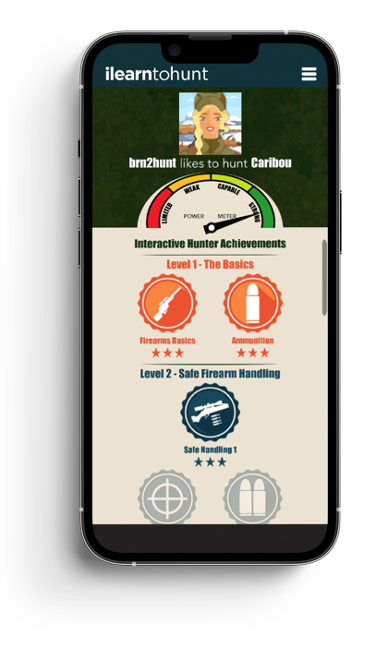
Most states offer free in-person classes taught by wildlife officials and volunteers, and several states combine hands-on training with online coursework. Another popular option is online courses through platforms like ilearntohunt, which you can take at your own pace and schedule.
These courses are available through your state’s wildlife agency, local hunting groups, and national organizations like the International Hunter Education Association.
How to Complete Your Hunter Education Requirements
Getting certified is a straightforward process once you know the steps for your state. Here's how to go from first-time hunter to license-ready.
- Check whether your state requires hunter education for first-time hunters. Most states mandate certification before you can buy your first hunting license, regardless of age.
- Confirm your state's date-of-birth requirement for certification. Many states use a birth-year cutoff to determine who must complete the course, so check your state's specific rule before assuming you're exempt.
- Enroll in the ilearntohunt online course for your state. Choose the online hutner safety course that matches your state's requirements and complete it on your own schedule.
- Complete the course and pass the final exam. Work through the material at your own pace, then pass the exam to earn your certification.
- If required, attend an in-person field day, then purchase your hunting license. Some states require hands-on training in addition to the online course, so sign up early since field days can fill up fast.
Following these steps in order helps you avoid delays right before hunting season. Once you've completed your state's requirements, you'll have your certification in hand and be ready to purchase your license and head into the field.

Why Hunter Education Matters
Aside from avoiding the obvious legal headaches, completing a hunter education course can provide invaluable benefits that will last you a lifetime.
The fundamental safety education alone is worth the time and energy. I’ve hunted with people who learned to hunt from family members but never took a course. Their hunting skills were exceptional, but their gun handling and safety awareness were so abysmal that I never hunted with them again.
Aside from vital safety education, courses offer valuable lessons in field skills, conservation, ethical hunting practices, survival, and first aid. Having these skills under your belt makes you a better hunter and helps you become a better ambassador for our sport, which will help preserve our hunting heritage.
Countries That Recognize US IHEA-Approved Certificates Through Reciprocity
A hunter education certificate earned in the U.S. doesn't just apply at home. Because state programs meet standards set by the International Hunter Education Association (IHEA), a growing number of countries around the world recognize U.S. certification as valid proof of hunter safety training.
Countries currently participating in this international reciprocity network include:
- Australia
- Austria
- Canada
- Denmark
- France
- Germany
- Hungary
- Italy
- Mexico
- Netherlands
- New Zealand
- Norway
- Peru
- South Africa
- Spain
- Sweden
- Switzerland
- United Kingdom
This list continues to grow as more countries join IHEA's international network, so it's worth confirming current status before planning a hunt abroad.
Hunters heading overseas should also check with the destination country's wildlife or licensing authority ahead of time, since import laws, firearm regulations, and additional local permits often apply on top of hunter education reciprocity.
What Is the Cost of Non-Compliance?
Hunting without your state’s required certification has consequences. While not all states require you to carry your proof of certification, some states, like Texas, mandate that your certificate be carried with you while hunting.
Trying to shortcut or game the system can lead to hefty fines, revocation of your current license, and prohibition from buying future hunting and fishing licenses. In some instances, you could face serious legal issues if you’re caught hunting without proper certification.
Take the Next Step Toward Hunter Education and Success in the Field
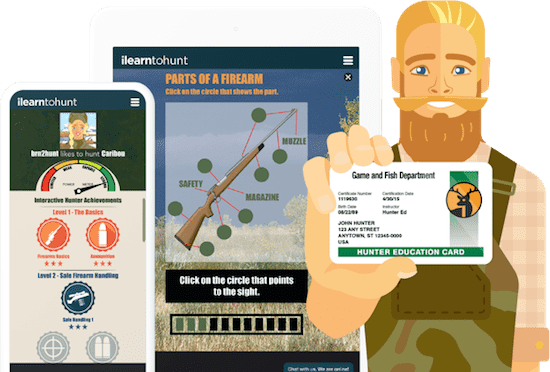
Don’t let the thought of taking a hunter education course keep you from enjoying the rewarding experience of hunting. Convenient online options like those available through ilearntohunt make certification easier and more convenient than ever.
Being a safe hunter isn’t only about following the rules. Having the necessary hunting knowledge and field skills is fundamental to ensure your safety and enjoy many successful hunting seasons to come.
Choose the hunter safety course for your state and start learning!

Content most recently reviewed and updated July 28, 2026.
Frequently Asked Questions (FAQs)
Q: Who is required to take hunter education in the United States?
A: Hunter education requirements vary by state, but most hunters born after a specific date, or anyone purchasing a first-time hunting license, must complete an approved hunter education course. Some states base the requirement on age rather than birth date, typically requiring certification for anyone under 16 or 18. Because the rules differ so much by state, first-time hunters should confirm their specific state's requirement before assuming they're exempt.
Q: Is hunter education required for experienced hunters moving to a new state?
A: In most cases, no. Hunter education certificates are recognized across all 50 states through a national reciprocity agreement, so a certificate earned in one state typically satisfies the requirement in another. Hunters should still keep proof of their certification on hand, since some states require you to show your card or certificate number when applying for a new license.
Q: What states require hunter education regardless of age?
A: Several states require hunter education for every first-time hunting license buyer, with no birth-date exemption at all. California, Colorado, Idaho, Montana, Nevada, North Dakota, Oregon, Washington, and Wyoming all fall into this category. In these states, even a hunter buying their very first license later in life must complete an approved course.
Q: Can I complete hunter education entirely online?
A: In many states, yes, at least for adult hunters. Most states now offer a fully online hunter education option for hunters above a certain age, often 16 or 18, while younger hunters commonly need to complete an additional in-person field day to finish certification. Availability and age cutoffs vary by state, so check your state wildlife agency for the specific rules that apply to you.
Q: How long does it take to get hunter education certified?
A: A fully online hunter safety course typically takes between four and eight hours, and most students can log in and out to complete it at their own pace. If a field day is required, plan for an additional four to eight hours of in-person instruction, which can add several days or weeks to the process depending on scheduling availability. Traditional in-person classroom courses run longer, often ten to sixteen hours across multiple sessions.