Why Hunter Education Is Important for Hunters
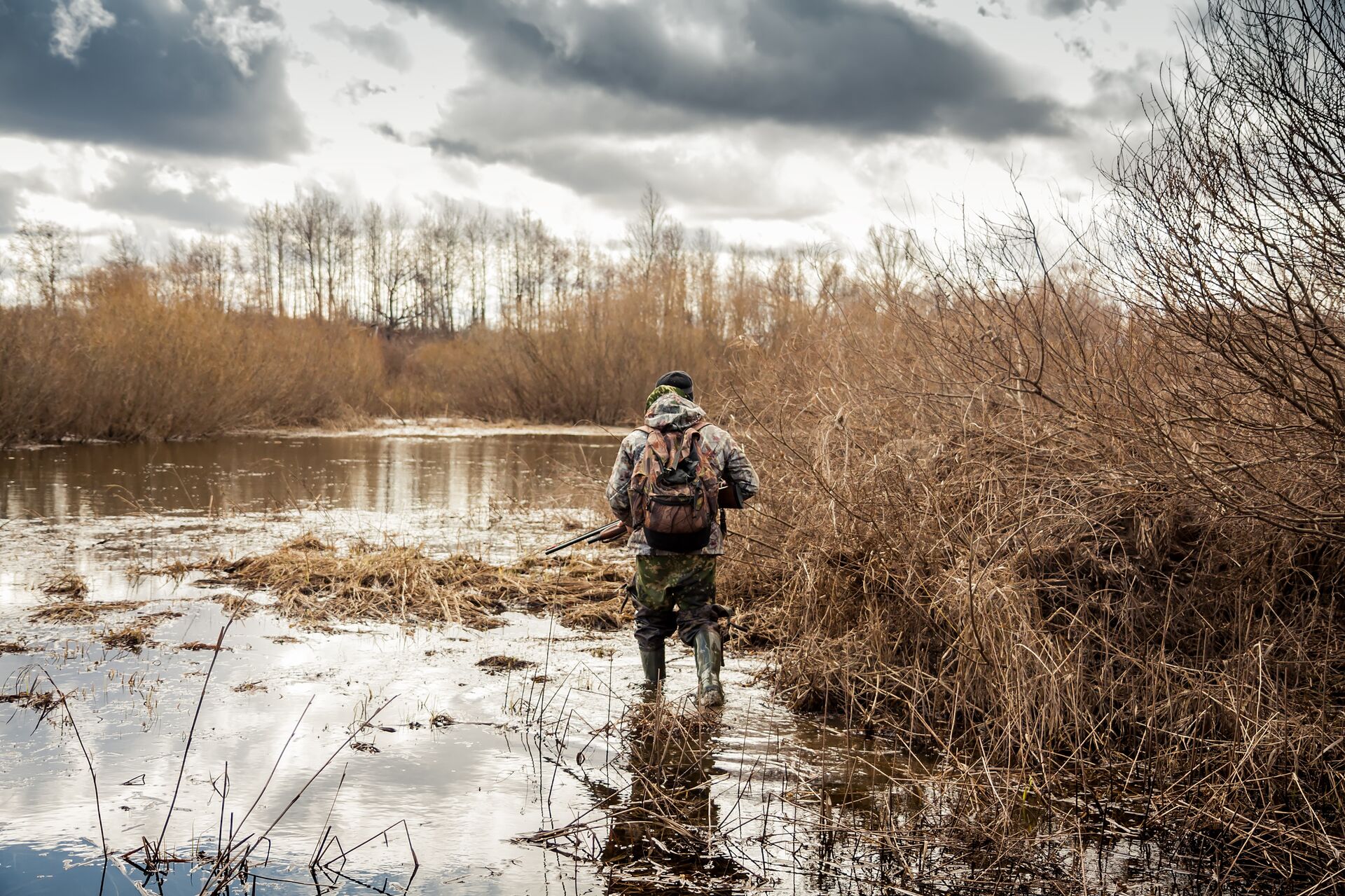
Hunter education is important because it teaches ethical hunting practices, safe firearm handling, and wildlife conservation principles. Most states require hunter education certification before you can purchase a hunting license. Completing a hunter safety course helps reduce hunting accidents while preparing hunters to hunt responsibly and legally.
As a lifelong hunter, I can attest to the profound impact of hunter education on our community and the natural world we cherish.
From ensuring safety to promoting conservation, the lessons learned through hunter education courses are indispensable. Whether your state requires a hunting education certification to get your license or not, I believe prioritizing and learning about hunter safety is crucial for every hunter.
Let's look at the various aspects of hunter education and why hunter education is important for hunters.
Updated July 8, 2026
8 Reasons Why Hunter Education is Important
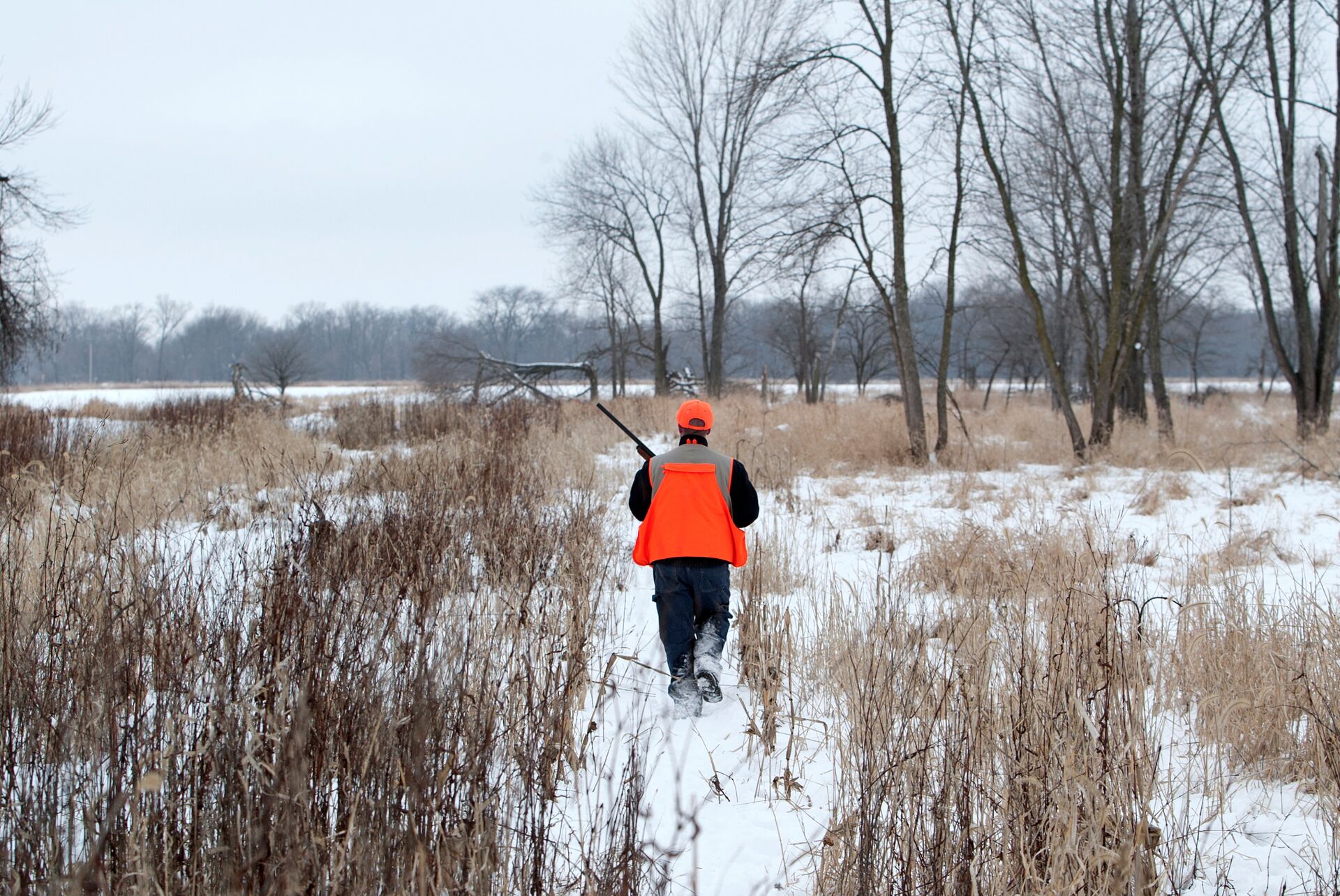
There are plenty of reasons why hunter education is important before picking up a rifle or bow and heading into the field. Today, we focus on eight important reasons you should take a hunter safety course before your first hunt.
1. Safety
Safety is the cornerstone of hunter education.
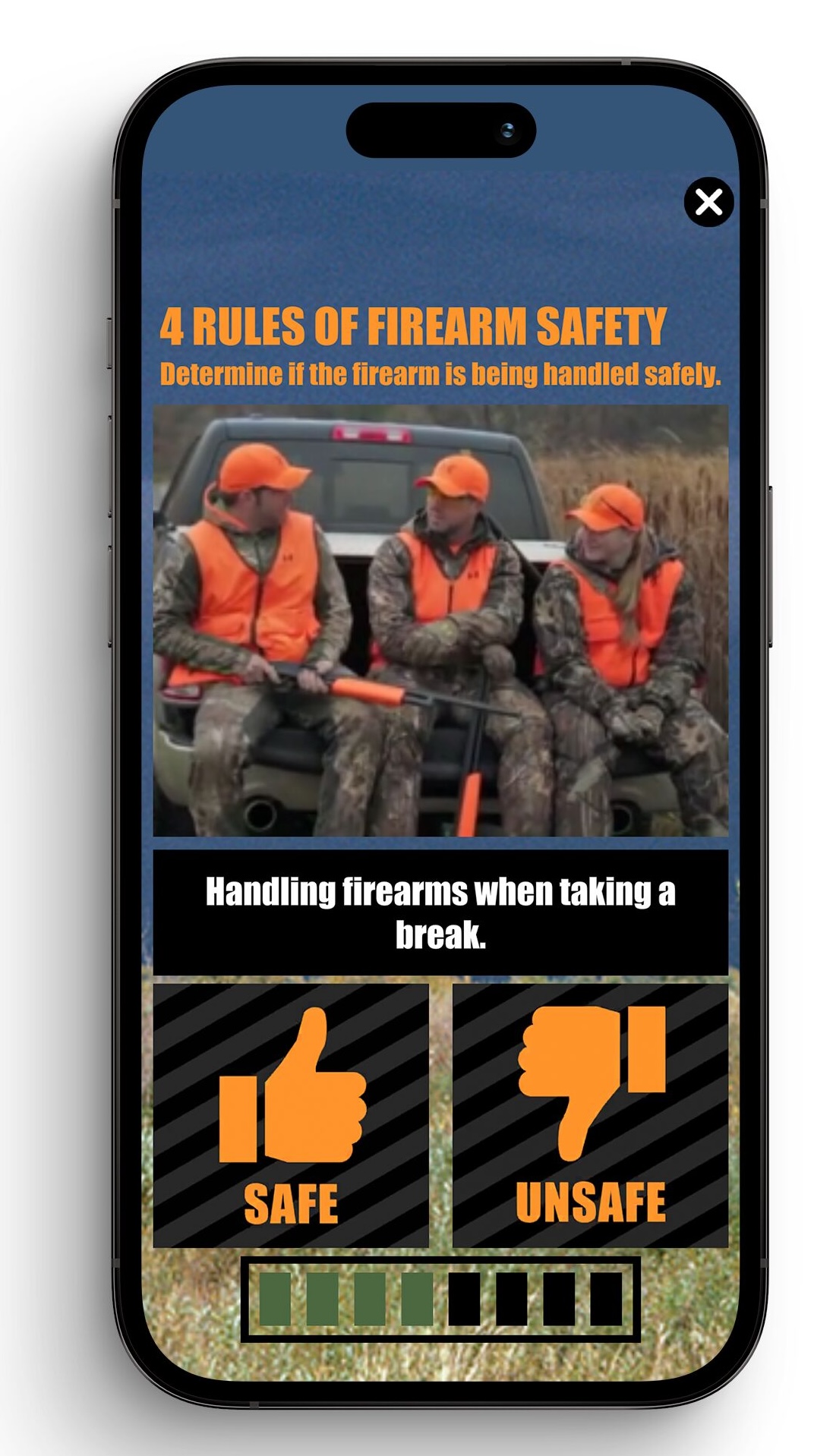
These courses reduce the risk of accidents, injuries, and fatalities for hunters and others who might be in the vicinity.
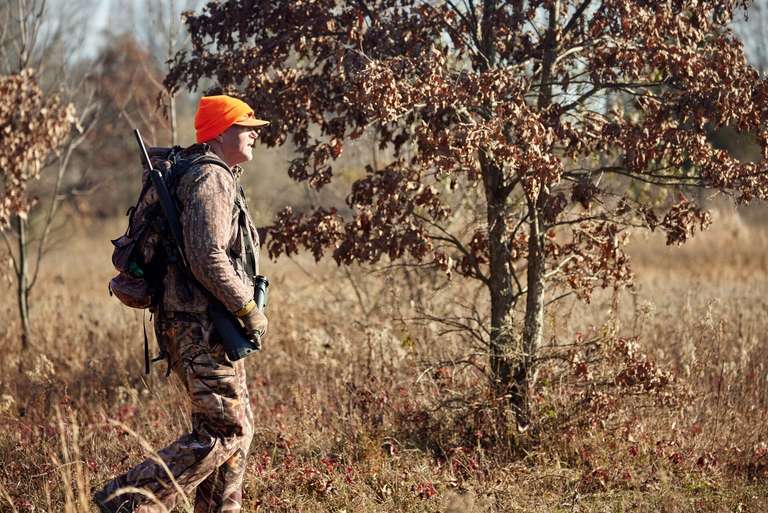
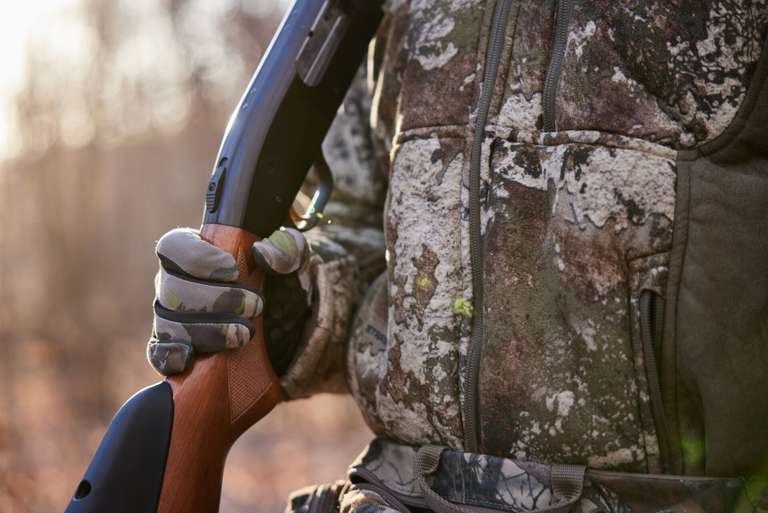
When I took my first hunter education course, I was amazed by the emphasis on firearm safety. We were taught how to carry, load, and unload our weapons safely. This education is crucial in preventing accidental discharges and ensuring that every hunting trip concludes without incident.
It's Important for Bowhunters, Too
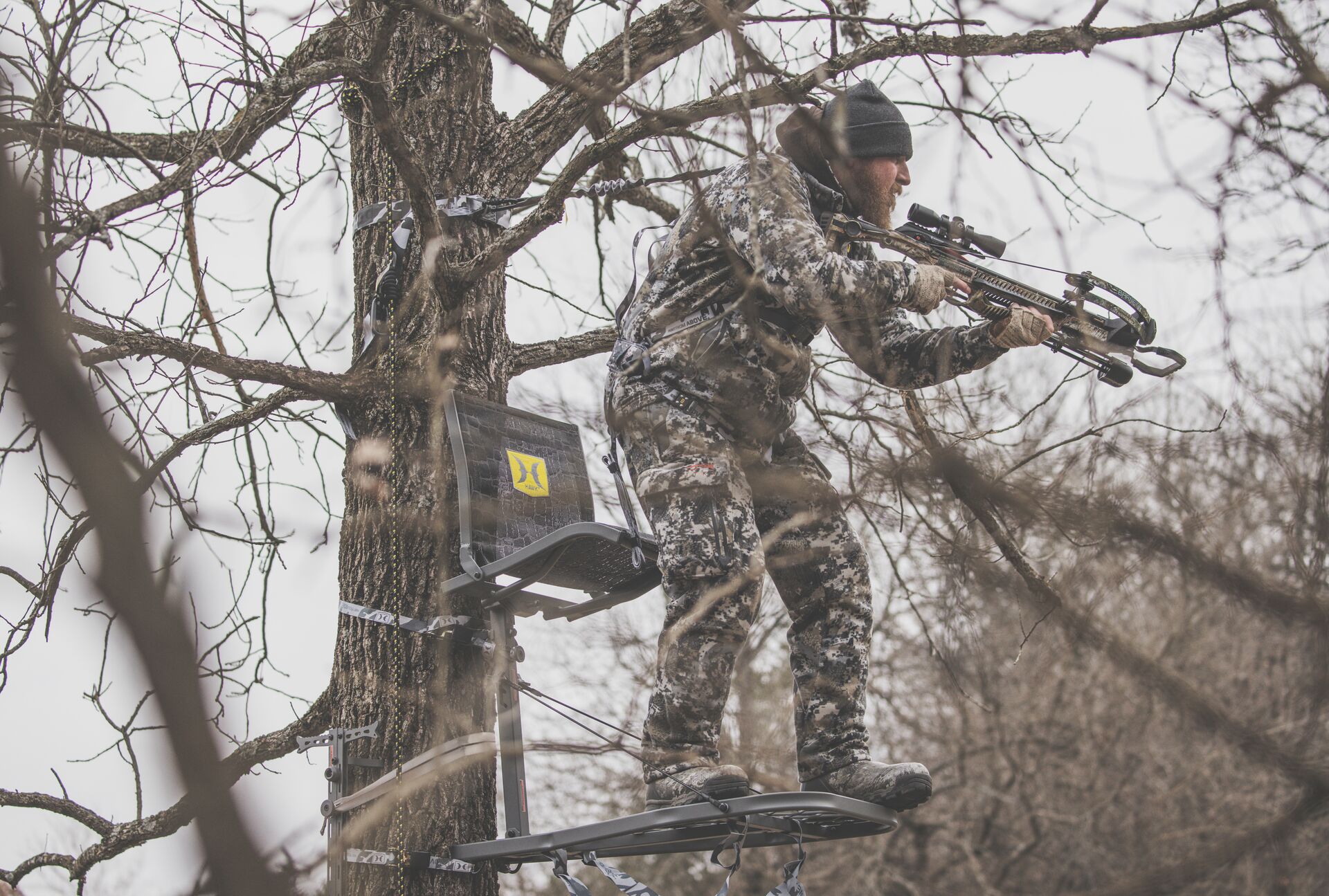
Don't underestimate the importance of safety in archery hunting, either.
Most hunting accidents come in the form of treestand mishaps. This aspect is heavily emphasized in a state-approved hunter education course, and even more so in a course like Bowhunter-Ed.
2. Ethical Hunting Practices
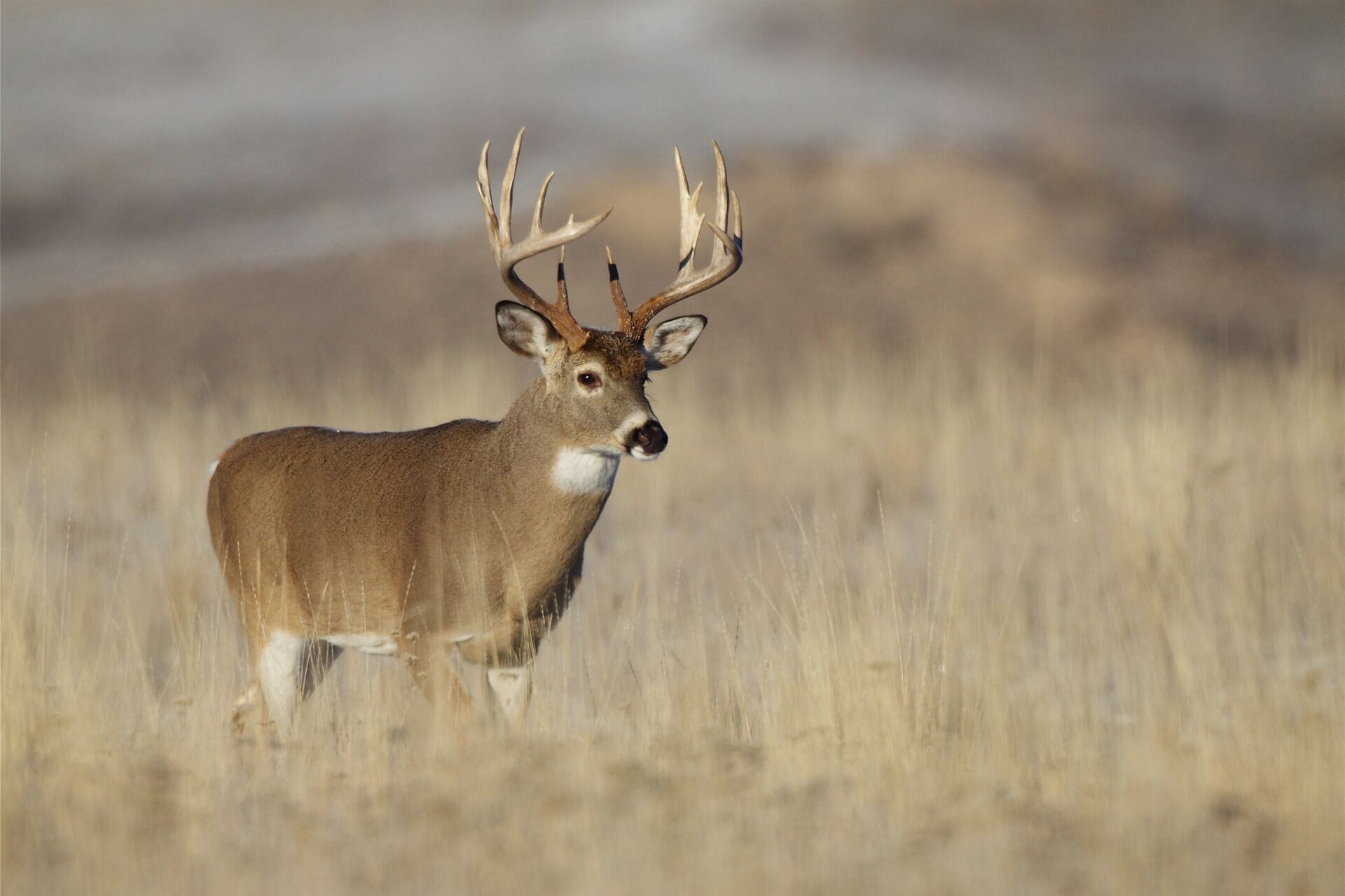
Hunter education instills the importance of ethical hunting practices. Respect for wildlife, adherence to hunting laws, and the practice of fair chase principles are at the core of these teachings.
Ethical hunting helps maintain the delicate balance in ecosystems and ensures the sustainability of wildlife populations.
One of the most memorable lessons from my hunter education course was about the principles of fair chase. It reinforced the idea that hunting is not just about the harvest but about respecting and admiring the wildlife we pursue.
Ethical hunting ensures we give animals a fair chance and do not exploit our technological advantages.
3. Conservation
Hunters play a pivotal role in wildlife conservation. Through licensing fees, taxes on hunting equipment, and participation in conservation programs, hunters contribute significantly to preserving habitats and wildlife populations.
Hunter education courses teach conservation principles, emphasizing the preservation of natural resources for future generations.
I recall a session during my course where we learned about the North American Model of Wildlife Conservation. It was enlightening to see how our contributions as hunters fund conservation efforts and how responsible hunting practices help maintain healthy wildlife populations.
4. Skill Development
Hunter education goes beyond safety and ethics and focuses on developing essential outdoor basic shooting skills.
You'll learn about skills including:
- Map reading
- Wilderness survival
- Tracking
- Wildlife identification
- And more
Learning these skills help enhance the hunting experience and promote self-reliance.
During my training, we spent considerable time on orienteering and map reading. These skills have proved invaluable, not just for hunting but for any outdoor adventure. Knowing how to navigate the wilderness confidently empowers and ensures we can handle unexpected situations.
5. Legal Compliance
Understanding hunting laws and regulations is crucial for every hunter.
Hunter education ensures hunters know the rules governing hunting activities, helping prevent illegal hunting practices and poaching.
My hunter education course extensively reviewed state and federal hunting laws. This knowledge is essential to avoid legal issues and ensure our hunting practices align with conservation goals.
6. Personal Responsibility
Through hunter education, individuals learn about the responsibilities of being a hunter. This includes firearm safety, wildlife management, and ethical decision-making, all cultivating a sense of accountability and respect for the hunting community and the natural world.
One lesson that resonated with me was the ethical responsibility of ensuring a quick, humane harvest. This aspect of personal responsibility underscores the respect we must have for the animals we hunt and the duty to minimize suffering.
7. Risk Reduction
Educating hunters about potential risks and hazards associated with hunting. These include:
- Wildlife encounters
- Environmental conditions
- Firearm accidents
Understanding potential risks helps minimize the likelihood of accidents and injuries. Our sessions discussed various scenarios, including encounters with dangerous wildlife and extreme weather. This preparedness is crucial in mitigating risks and ensuring a safe hunting experience.

How to Take a Hunter Education Course
Taking a hunter safety course is easier than ever, with options to learn online, in person, or through a blended format that combines both. Here is how to get started:
- Choose your format. Decide whether you want to complete the course fully in person, fully online (where available in your state), or through a blended option that lets you study online and finish with an in-person field day.
- Find a course in your state. Visit your state wildlife agency's website or a provider like ilearntohunt to find an approved hunter education course near you.
- Register and complete the coursework. Sign up for your chosen course and work through the material, which covers firearm safety, hunting laws, wildlife conservation, and ethics.
- Pass the final exam. Most courses require a passing score on a written exam to demonstrate you understand the core safety and regulatory content.
- Complete the field day (if required). Many states require a hands-on field day where you demonstrate safe firearm handling and other practical skills before you receive your certificate.
- Receive your hunter education certificate. Once you pass all required components, you will receive your hunter education certificate, which is needed to purchase a hunting license in most states.
Make sure you allow plenty of time to take your course (and a field day if required by your state) before you plan to hunt. Most states require you to have your hunter education certification before buying a hunting license.

Take an Online Hunter Education Course Through ilearntohunt
Hunter education is not just a requirement in most states but a foundation for safe, ethical, and responsible hunting. The lessons learned extend beyond the field, fostering a more profound respect for nature and a commitment to conservation.
A state-approved online course covers everything you need to know to hunt safely while meeting all requirements for licensing. That means taking a course through ilearntohunt is an excellent way to get the safety training you need to be a safe and responsible hunter.
So, before you head out for your first (or next) hunt, make sure you have the foundational knowledge to return home safely and respect other hunters, wildlife, and the environment around you.
Find the course for your state and get started with our interactive, engaging learning platform!

Content most recently reviewed and updated July 8, 2026.
Frequently Asked Questions (FAQs)
Q: What is one of the main reasons hunter education is important?
A: Hunter education teaches new hunters how to handle firearms safely, reducing the risk of accidents in the field. It also covers hunting ethics, wildlife conservation, and laws that every hunter is expected to follow. These foundational skills help ensure that hunting remains a safe and respected tradition for future generations.
Q: What are the benefits of being a hunter?
A: Hunters play a direct role in wildlife conservation by contributing to population management and funding habitat preservation through license fees and taxes on equipment. Hunting also provides a sustainable source of lean, wild-harvested meat and a deeper connection to the natural world. Beyond the practical benefits, many hunters value the time spent outdoors with family and friends as one of the most rewarding parts of the experience.
Q: What is the goal of hunter education?
A: The goal of hunter education is to produce safe, responsible, and ethical hunters who understand and respect wildlife, the land, and other people. Courses cover firearm safety, hunting laws, wildlife identification, and conservation principles. The end result is a hunter who is prepared to make sound decisions in the field and represent the hunting community well.
Q: What would happen if we stopped hunting?
A: Without hunting, many wildlife populations would grow beyond what their habitat can support, leading to overgrazing, habitat destruction, and increased wildlife disease. Hunting license fees and excise taxes on sporting goods generate billions of dollars annually that fund wildlife management and conservation programs across the country. Removing hunting from the equation would put significant pressure on both ecosystems and the agencies that manage them.
Q: What are the 5 stages of hunter development?
A: Hunter development research identifies five stages most hunters move through over time: shooter, limiting out, trophy, method, and sportsman. In the early stages, hunters focus on harvesting game and measuring success by quantity or size. As hunters mature, success becomes less about what they take and more about the overall experience, the challenge of the method, and giving back to the hunting community.
Q: Can I fail a hunter safety course?
A: Yes, it is possible not to pass a hunter safety course if you do not demonstrate a sufficient understanding of the material. Most courses require students to pass a final exam with a minimum score, and some include a field day with a hands-on safety evaluation. If you don't pass on the first attempt, many programs allow you to retake the exam or review the material before trying again.
Q: What skills make a good hunter?
A: Good hunters develop a mix of practical and ethical skills, including firearm or archery proficiency, wildlife identification, and an understanding of animal behavior and habitat. Patience, situational awareness, and sound judgment in the field are just as important as technical ability. A strong hunter also respects the land, follows all regulations, and prioritizes safety above all else.