Do I Need Hunter Education Before My First Deer Season?
If you’re thinking to yourself, “Do I need hunter education before my first deer season?” the answer in most states is going to be “yes.” Many states require hunters to complete a certified hunter education course before getting their first hunting license and hunting independently without a mentor.
These course requirements are not universal. Each state sets them, and they are often required based on your age.
Fortunately, getting that hunter education certificate is more convenient than many new hunters expect. Many states partner with ilearntohunt so you can complete the course at your own pace (often in a single weekend) and still be ready before opening day.
Hunter education courses cover topics such as firearm safety, hunting ethics, wildlife conservation, and state-specific hunting regulations. Once you earn your certificate, it’s valid for life, so you typically won’t need to retake the course.
Let’s take a closer look at what you need to do if you're planning your first deer hunt this fall.
Do I Need Hunter Education Before My First Deer Season?
For most U.S. states, again, the answer to that question is a resounding “yes.”
The states that require hunter education will not allow you to purchase a hunting license or hunt independently of an adult mentor unless you have a hunter education certification.
Each state has different requirements. Some require all first-time hunters to complete a hunter education course while others use the hunter’s birth year to determine eligibility. For example, Georgia mandates that any resident born on or after January 1, 1961, take a hunter education course before buying a full-season hunting license.
Several states now offer an apprentice or mentored hunting license that allows first-timers to hunt only under the direct supervision of an adult with a current state hunting license. These programs are akin to a driver’s education course, where an inexperienced participant can gain hands-on experience under the tutelage of a more experienced adult.
Note that apprentice and mentorship programs are bridge programs, not permanent solutions. States limit how often and how long an apprentice license can be used before the hunter must complete a hunter education course to hunt independently.
Fortunately, thanks to efforts by organizations like the International Hunter Education Association, which advocate for consistent education standards, hunter education certificates issued in one state are honored by all other states through reciprocity agreements.
Start Early
The key to completing your hunter education requirement before the season is to start early. Many states require an in-person field day as part of the curriculum, and those may fill up, especially right before deer season.
Complete the online portion now to give yourself more time to meet all of the education course requirements before opening day.

Even though each state has slightly different requirements, you should now have a better answer to the question “Do I need hunter education?”
That being said, there are some universal steps you can take to get your hunter education certification before your first deer season gets underway.
- Check your state’s certification requirements.
Rules vary state by state, depending on who needs hunter education and even on the age at which you can start a hunter education course. Search for “hunter education requirements” on your state’s department of wildlife or natural resources website to determine what you’re required to do to hunt within your state’s borders. - Enroll in your state’s ilearntohunt course.
Visit the ilearntohunt state directory to find the approved course for your state. Note that some states will allow you to get a hunter education certificate with only an online course. Others require a hybrid online course plus a mandatory in-person field day once the online portion is completed. - Complete the lessons and final exam.
Although many hunters complete the online portion of their course in a weekend, you can work through course modules at your own pace. They’re designed to be flexible and cater to individuals with busy schedules. - Schedule your field day (if required).
If your state requires a block of hands-on instruction after you complete the online portion, make sure to sign up for the field day as soon as possible. Again, these tend to fill up quickly the closer you get to the start of the hunting season. - Buy your license and tags.
Once you’ve completed the course requirements, you’ll receive a hunter education certificate. Use that certificate number to purchase your hunting license (online or in person) and any required deer tags before the season starts.
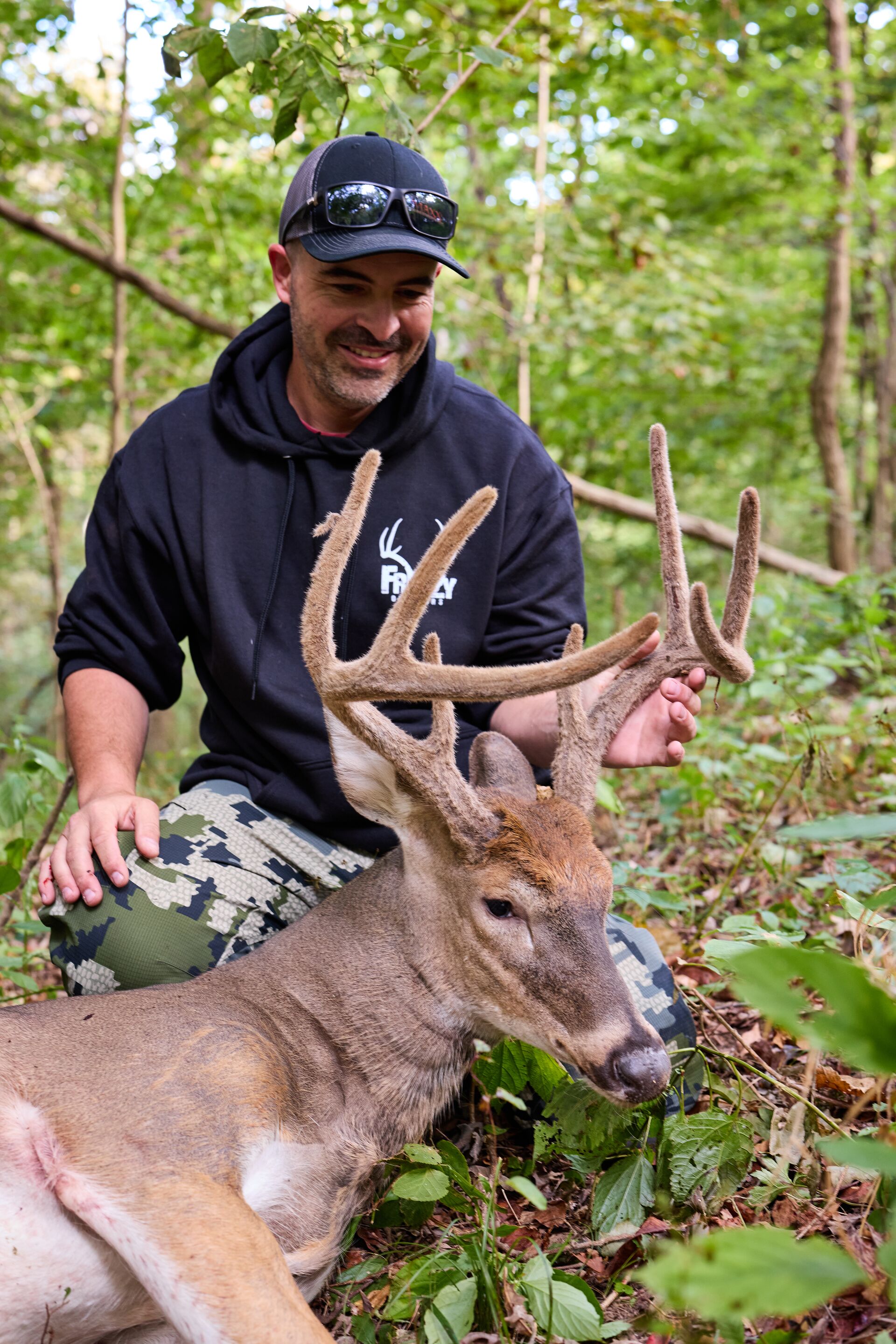
The education process is straightforward. Just make sure you complete it promptly. Doing so ensures you can get your license and deer tags and maintain eligibility for tag draw deadlines.
What Does Hunter Education Cover?
A quality hunter education course helps new hunters build a solid foundation of knowledge that they can build on as they gain more field experience.
Safety topics taught in courses include:
- Basic weapon manipulation and safety (firearms and archery)
- Proper storage
- Muzzle control
- Shooting techniques, including proper shot placement
Additionally, courses cover critical decision-making processes, including hunting ethics, fair-chase principles, respecting wildlife and landowners, and prioritizing safety in the field.
Another major topic is wildlife conservation. You’ll learn how regulated hunting can help manage game populations and how hunters’ license fees and excise taxes help support conservation at the local and federal levels.
Other topics that may be covered include:
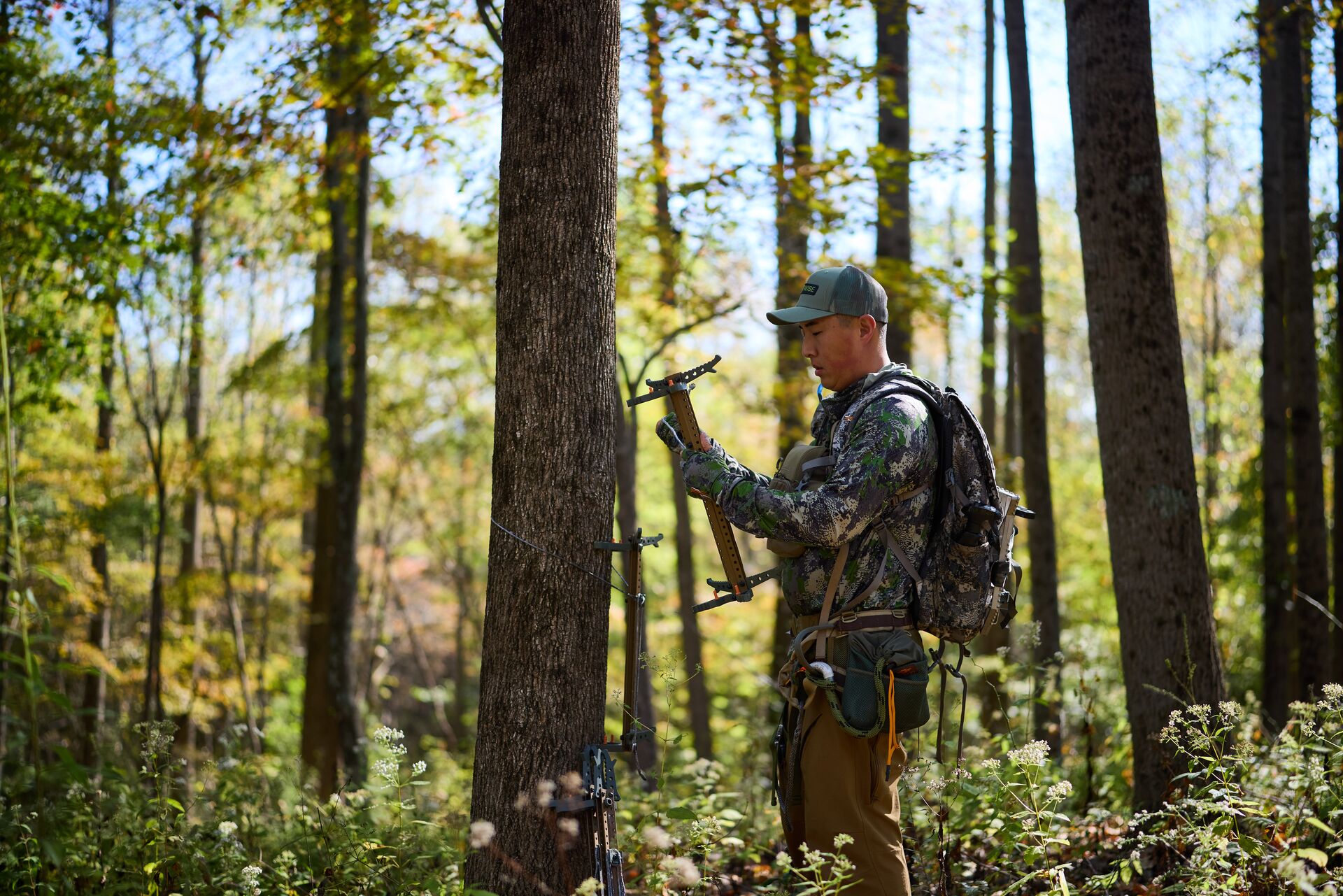
- Basic first aid
- Fieldcraft
- Rudimentary survival skills
- Your state’s blaze orange requirements
- Tree stand safety
Staying safe in a tree stand is another key topic for new deer hunters.
State Specifics
Since each course is localized to your state, you’ll also review state-specific laws that include the seasons for various species, tagging requirements, bag and possession limits, harvest reporting requirements, and legal hunting methods.
With each state often having different management plans for the whitetail and mule deer populations, this part of the course is critical to successfully and legally participating in your first deer season.
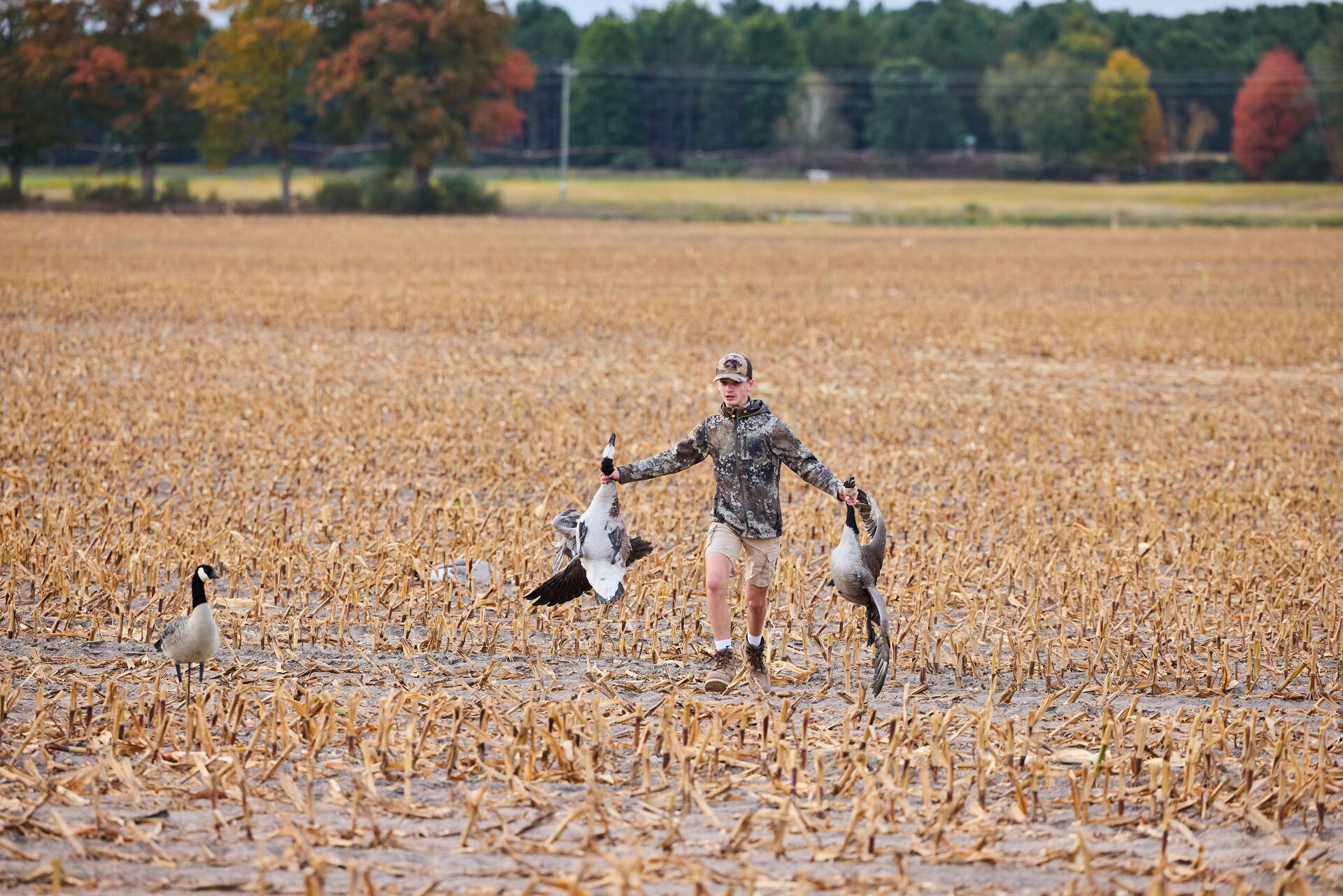
What to Do Before Your First Deer Season
Before you grab your rifle or bow and take to the field for your first deer season, there are five key steps to complete.
- Get your hunter education certification. If your state requires you to have a hunter ed certificate before purchasing a license or deer tag, this needs to be your first step. If you wait until the last minute to sign up for a course or schedule your field day (if applicable in your state), you’re probably going to miss the season.
- Purchase your season license and tags. Once you’ve received your hunter education certificate, you can buy a hunting license and any necessary deer tags, permits, or validations. This can be done online or at a local authorized agent such as a sporting goods store.
- Start scouting. Find out where the deer are (and follow expert deer hunting tips) before you start the hunt. Find deer trails and look for bedding areas, food sources, rubs, and other signs. Lacing up your boots and heading to the field before the season starts gives you the intel you need to plan your fall hunts.
- Prepare your weapon. Make sure you’re familiar with the operation of your rifle or bow and get in more range time than you think is necessary. Once your weapon is zeroed, practice shooting from realistic hunting positions so you have confidence in which shots you can take within your effective range.
- Review your state’s deer regulations. Know what the deer season start and end dates are, legal shooting hours, bag limit, antler requirements, tagging procedures, and public land rules before you leave home. Since legal shooting hours change throughout the season, I like to note them on my phone or on a piece of paper I keep with my license.
While these five steps are not all-inclusive, following them and reviewing our hunting tips for beginners can give you a giant head start in preparing for your first deer season.
States With ilearntohunt Online Courses
Remember how we’ve stressed the importance of getting a head start on your hunter education course? Now’s your chance.
Below are states that have partnered with ilearntohunt to provide state-approved online hunter education courses, if they require an in-person field day, and where you can easily enroll.
ilearntohunt Hunter Safety Courses by State | |||
State | Field Day Required | Notes | ilearntohunt Course Link |
Alabama | No | Fully online for all ages | |
Arizona | No | Fully online; required for hunters under 14 pursuing big game | |
Arkansas | No | Fully online for ages 10+ | |
California | Yes (all ages) | In-person follow-up class required for everyone | |
Georgia | No | Fully online for all ages | |
Illinois | Yes (under 18) | Ages 18+ online only (under 18 must complete a field day) | |
Indiana | Yes (all ages) | Field day required for all hunters (online course satisfies the pre-field day requirement) | |
Iowa | Yes (under 18) | Ages 18+ online only (ages 11-17 must complete a field day) | |
Kentucky | Yes (all ages) | Range Day required for all hunters | |
Louisiana | Yes (ages 10-15) | Ages 16+ online only | |
Maryland | Yes (all ages) | 4-6 hour field day required for everyone | |
Michigan | Yes (under 18) | Ages 18+ online only (under 18 must complete a field day) | |
Minnesota | Yes (ages 11-15) | Ages 16+ online only | |
Mississippi | No | Fully online for all ages | |
Missouri | Yes (ages 11-15) | Ages 16+ online only | |
Montana | Yes (ages 12-17) | Ages 18+ online only | |
Nevada | Yes (under 18) | Ages 18+ online only (under 18 must complete a final hunter education class) | |
New Mexico | No | Fully online for all ages (required for hunters under 18) | |
New York | No | Fully online for all ages | |
North Carolina | No | Fully online for all ages | |
Ohio | No | Fully online for all ages | |
Oregon | Yes (under 18) | Ages 18+ online only | |
Pennsylvania | No | Fully online for all ages | |
South Carolina | No | Fully online for all ages | |
South Dakota | Yes (under 16) | Ages 16+ online only (ages 11-15 must complete a field day) | |
Tennessee | No | Fully online for all ages | |
Texas | Yes (under 17) | Ages 17+ online only | |
Virginia | No | Fully online for all ages | |
Wisconsin | Yes (under 18) | Ages 18+ online only | |
What If I’m Hunting With a Mentor?
Hunting with an experienced mentor can be a fantastic, once-in-a-lifetime opportunity for a new deer hunter. With the right mentor, you can learn vital fieldcraft and weapons skills to help you make more informed decisions during your hunts. This type of knowledge transfer can be invaluable.
If your state offers an apprentice or mentored hunting license for first-time hunters to hunt under the direct supervision of a mentor, do it. The mentored hunt can be an incredible “try before you buy” option if you want to experience deer hunting before enrolling in a hunter education course.
While some states will allow you to participate in a mentored hunt without completing hunter education, check your state’s regulations since many have age requirements for apprentices and mentors.
Also, hunting with an apprentice license doesn’t replace hunter education certification. It’s only a temporary bridge to buying a standard license and to legally hunt without adult supervision.
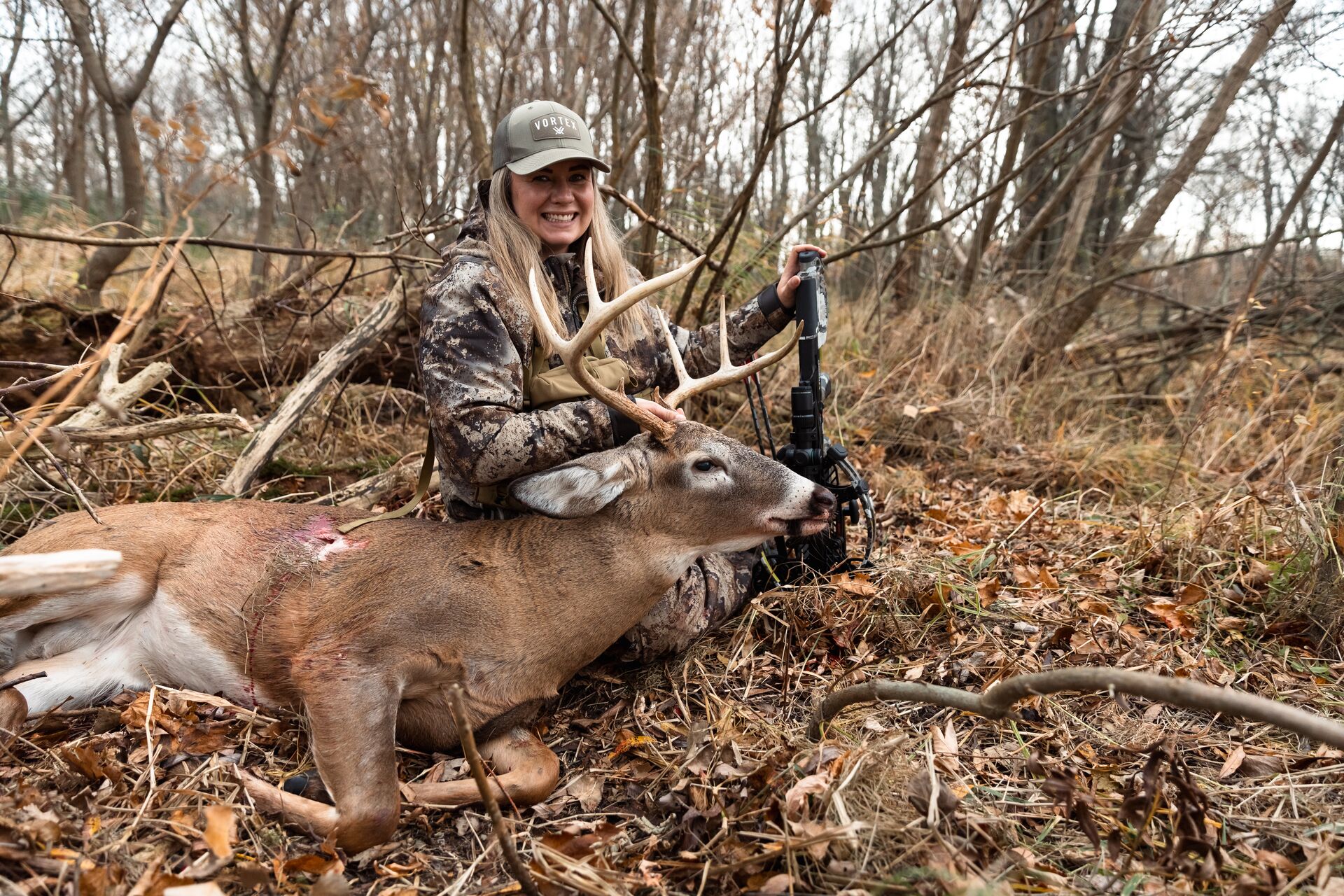
Take Your Hunter Education Course Before Deer Season Opens
Are you still wondering, “Do I need hunter education?” The simplest answer to that question is to check your state’s wildlife or natural resources website for regulations that apply to your specific situation.
In most states, completing a hunter education course is required to purchase a hunting license and tags, and to hunt independently of adult supervision. Fortunately, certification is a one-and-done course. Once you’ve earned your hunter ed certificate, it’s good for life.
If you prefer self-paced learning, consider enrolling in the ilearntohunt course for your state. Each state-approved course is offered online and designed to make learning more engaging through interactive lessons and knowledge checks, helping you better comprehend and retain key safety and conservation topics.
Your first deer season can be an exciting, rewarding, life-changing experience. Don’t let a hunter education certificate be the barrier that keeps you out of the woods on opening day.
Find your state’s ilearntohunt course, enroll, and complete your certification as soon as possible.

Frequently Asked Questions (FAQs)
Q: Do you have to take hunter education every year?
A: No, hunter education certification is typically a one-time requirement that stays valid for life. Once you pass a certified course, most states honor that certification permanently and recognize certifications from other states through reciprocity agreements. You do not need to retake the course to renew a hunting license in future years.
Q: How long does it take to finish hunter education?
A: Completion time depends on the course format and state requirements. Online courses typically take a few hours of self-paced study, though some states also require an in-person field day that adds several more hours. Traditional in-person courses usually run about 8 to 10 hours, often split across one or two days.
Q: Can you fail a hunter safety course?
A: Yes, most hunter safety courses end with a final exam that requires a passing score, often around 70 to 80 percent. If a student does not pass, most programs allow them to retake the exam or review missed material before trying again. Failing is uncommon for students who complete the course material and study the handbook.
Q: Is the hunter exam hard?
A: The hunter education exam is generally not difficult for students who complete the course and review the material. It typically consists of multiple-choice questions covering firearm safety, wildlife identification, and hunting regulations. Most students who pay attention during the course pass on their first attempt.
Q: What is the youngest age to start hunting?
A: The minimum hunting age varies by state, and many states have no strict minimum age for supervised hunting with a licensed adult. Eligibility to enroll in hunter education courses often begins around age 9 to 12, depending on the state. Younger hunters typically must be directly accompanied by an adult until they complete certification or reach an age set by state law.
Q: How long does the hunter exam take?
A: The final exam itself is usually completed in a single sitting and takes less than an hour for most students. It is not spread across multiple days, though the course leading up to it may take place over one or more sessions. Online courses allow students to complete the exam at their own pace once they finish the required material.