Do I Need Hunter Education Before Getting a Hunting License?

In most US states, yes. You need to complete a hunter education course before you can purchase your first standard hunting license. This requirement applies regardless of age in most states, though the specific date-of-birth cutoff varies.
Hunter education courses teach firearm safety, hunting ethics, wildlife conservation, and state regulations. Once you earn your hunter education certificate, it is valid for life and accepted through reciprocity in all other states. The fastest way to complete your certification is through ilearntohunt online course. You can study at your own pace on any device and get certified in time for this season.
Why is hunter education crucial? What are the legal requirements across different states, and how can a hunter education course prepare you for a safe and responsible hunting experience? Keep reading as we talk about the importance of hunting education and how to take a course that qualifies for your license requirements.
Updated July 10, 2026
Do I Need Hunter Education in My State?
Hunter education requirements vary by state, but the course format options fall into three clear categories: online only, in person only, or hyrid (online with an in-person element).
The table below shows which format each state uses and whether an online option and field day are part of the process.
Hunter Education Requirements by State | |||
State | Format | Online Option | Field Day Required |
| Alabama | Fully online | Yes | No |
| Alaska | In-person only | No | Yes |
| Arizona | Fully online | Yes | No |
| Arkansas | Fully online | Yes | No |
| California | Hybrid | Yes | Yes |
| Colorado | Hybrid | Yes | Yes |
| Connecticut | Fully online | Yes | No |
| Delaware | In-person only | No | Yes |
| Florida | Hybrid | Yes | Yes |
| Georgia | Fully online | Yes | No |
| Hawaii | In-person only | No | Yes |
| Idaho | Fully online | Yes | No |
| Illinois | Hybrid | Yes | Yes |
| Indiana | Fully online | Yes | No |
| Iowa | Fully online | Yes | No |
| Kansas | Hybrid | Yes | Yes |
| Kentucky | Fully online | Yes | No |
| Louisiana | Fully online | Yes | No |
| Maine | In-person only | No | Yes |
| Maryland | Fully online | Yes | No |
| Massachusetts | Hybrid | Yes | Yes |
| Michigan | Hybrid | Yes | Yes |
| Minnesota | Hybrid | Yes | Yes |
| Mississippi | Fully online | Yes | No |
| Missouri | Hybrid | Yes | Yes |
| Montana | Hybrid | Yes | Yes |
| Nebraska | Hybrid | Yes | Yes |
| Nevada | Fully online | Yes | No |
| New Hampshire | Hybrid | Yes | Yes |
| New Jersey | Hybrid | Yes | Yes |
| New Mexico | Fully online | Yes | No |
| New York | Fully online | Yes | No |
| North Carolina | Fully online | Yes | No |
| North Dakota | Hybrid | Yes | Yes |
| Ohio | Fully online | Yes | No |
| Oklahoma | Fully online | Yes | No |
| Oregon | Hybrid | Yes | Yes |
| Pennsylvania | Fully online | Yes | No |
| Rhode Island | Hybrid | Yes | Yes |
| South Carolina | Fully online | Yes | No |
| South Dakota | Hybrid | Yes | Yes |
| Tennessee | Fully online | Yes | No |
| Texas | Hybrid | Yes | Yes |
| Utah | Hybrid | Yes | Yes |
| Vermont | Hybrid | Yes | Yes |
| Virginia | Fully online | Yes | No |
| Washington | Hybrid | Yes | Yes |
| West Virginia | Fully online | Yes | No |
| Wisconsin | Hybrid | Yes | Yes |
| Wyoming | Hybrid | Yes | Yes |
Note that Alaska hunter education is required for specific areas and youth hunts, but general adult certification is voluntary. Idaho residents may complete the course fully online, but non-residents must attend a classroom course.
Washington D.C. does not issue hunting licenses and has no hunter education program.
Remember: Hunting laws and hunter education requirements can change, so staying informed is essential. Check with local wildlife agencies regularly and connect with hunting communities to keep abreast of any updates.

Types of Hunter Education Courses
Hunter education courses are offered in various formats to accommodate different learning preferences and schedules. Choose the format that works best for you (and complies with your state's requirements).
Classroom Instruction
Traditional classroom instruction includes lectures on safety, ethics, and regulations. These classes are often interactive, with instructors providing real-world examples and engaging with students to ensure comprehension.
Field Days
Practical, hands-on field days can be a critical component of hunter education, but not all states require it.
During these sessions, participants practice safe firearm handling, shooting and accuracy, and other essential hunting skills. Field days allow students to apply their knowledge in a controlled environment.
Online Courses
For added convenience, online hunter education courses are available. These courses often include interactive elements, quizzes, and multimedia presentations to enhance learning.
Online courses, such as those offered by us here at ilearntohunt, meet the requirements for hunter education in many states and provide a flexible option for busy individuals.
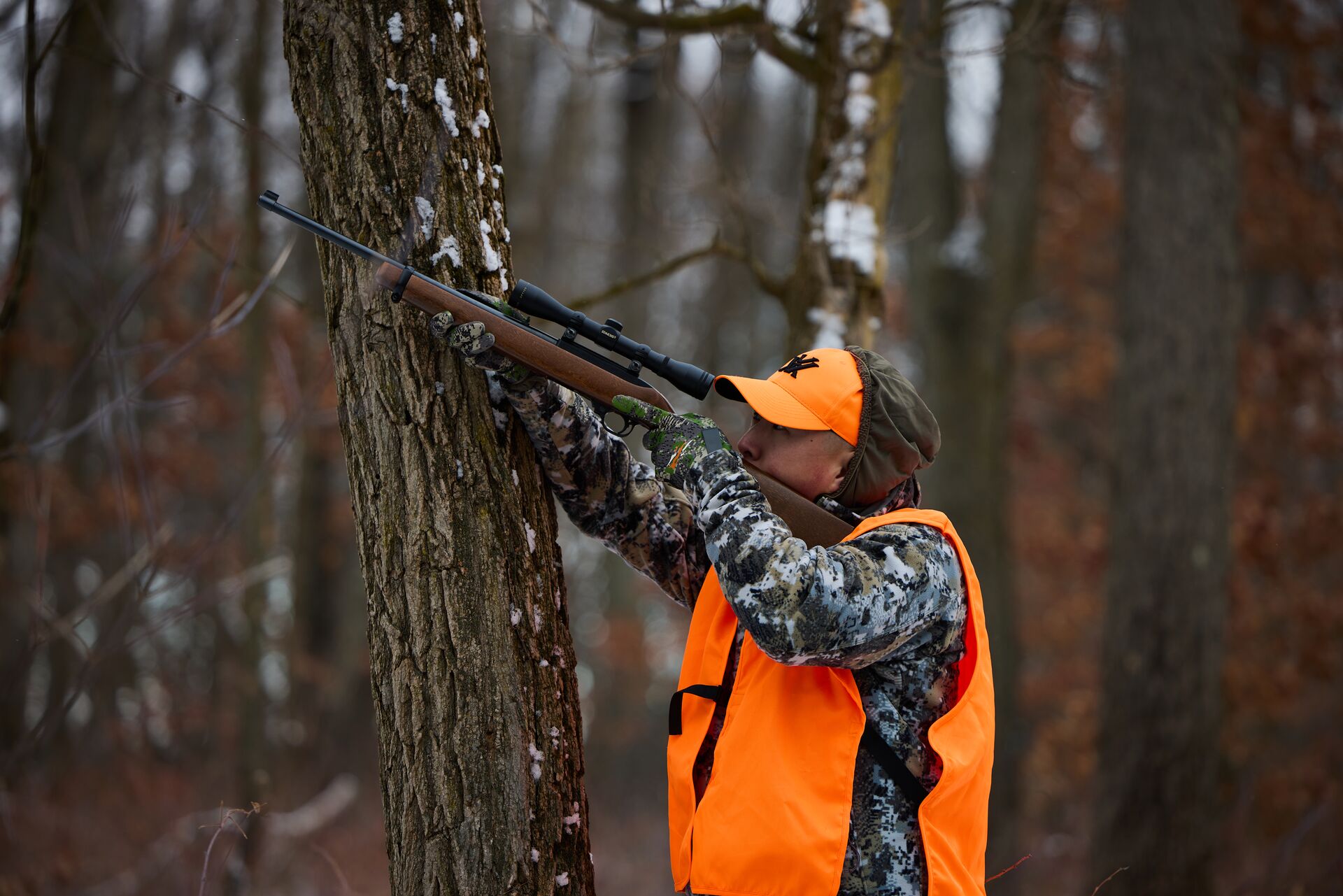
How to Get Your Hunter Education Certificate
Getting certified is a straightforward process you can start today. Here's how to do it step by step:
- Check your state's hunter education requirement, either through your state's wildlife agency website or on the ilearntohunt course page to find out what's required in your state and which course format applies to you.
- Enroll in the online course for your state and work through all required modules at your own pace, on any device.
- Pass the final exam to demonstrate what you've learned and earn your course completion.
- If required, attend an in-person field day to complete hands-on skills training with a certified instructor.
- Use your certificate to purchase your hunting license and you're ready to head into the field.
Once you complete all the steps your state requires, your hunter education certificate is yours for life. You'll never need to retake the course, even if you move to another state.
Steps to Take After Completing Hunter Education
Once you've completed your hunter education course, there are several steps to ensure you're ready for the hunting season.
Apply for a License
After completing the required education, you must apply for a hunting license. The application process varies by state but typically involves submitting proof of your hunter education certification and paying the necessary fees.
Continuing Education
Hunting is a lifelong learning experience. Engaging in continuing education and advanced courses can help you stay updated on best practices and new regulations. It's also an excellent way to refine your skills and deepen your knowledge.
What's the Goal of Hunter Education?
The primary goal of hunter education courses is to promote safe, responsible, and ethical hunting practices. These courses are designed to instill a deep understanding of safety, responsibility, and ethics in hunters, ensuring they are well-prepared to enjoy their time in the wild while respecting the environment and other outdoor enthusiasts.
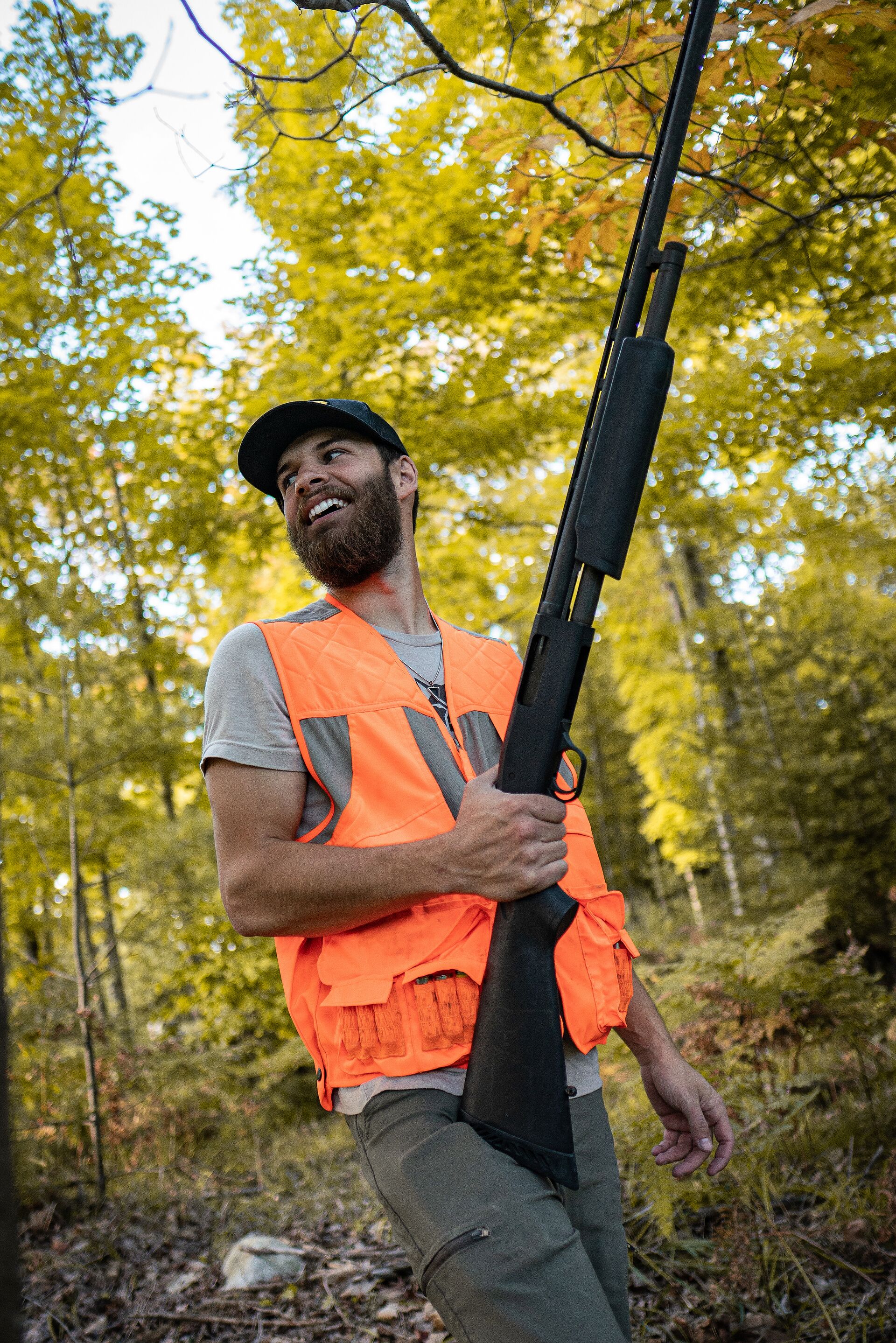
No matter where you live, hunter education courses cover the same core topics, all designed to make you a safer, more responsible hunter before you ever set foot in the field.
Here's what you can expect to learn:
- Firearm safety rules: You'll learn the fundamental rules of safe firearm handling, including how to safely carry, load, unload, and store your firearm. This section forms the backbone of every hunter education course and is covered in the greatest depth.
- Hunting ethics and fair chase: Hunter education covers the unwritten rules that define responsible, ethical hunting — from respecting landowners and other hunters to making clean, humane shots. Fair chase principles are a core part of what it means to be a good hunter.
- Wildlife conservation: You'll gain a foundational understanding of wildlife management and why regulated hunting plays a direct role in keeping game populations healthy. This section connects hunters to the broader mission of protecting wild places and the animals in them.
- State-specific regulations: Every state sets its own rules for seasons, bag limits, legal methods of take, and licensing requirements. Hunter education teaches you how to read and apply those regulations, so you stay legal in the field.
- First aid and outdoor survival: Hunting often takes you into remote areas where help isn't always close by. You'll learn basic first aid, how to stay oriented in the field, and what to do in an emergency.
Again, your hunter education certification is permanent. You earn it once, and it's valid for life in all 50 states.
Whether you take your course fully online, in a classroom, or through a hybrid format, the curriculum is standardized and approved by the International Hunter Education Association (IHEA). Completing the course isn't just a legal requirement in most states; it's the foundation of a lifetime of safe, ethical hunting.

Take Your Hunter Education Course Before Getting a Hunting License
If you plan to hunt this season and your state requires hunter education certification, make sure you take care of that sooner rather than later!
Hunter education ensures safe, responsible, and ethical hunting practices. It also helps you stay legal when hunting if your state requires it. By completing a course through ilearntohunt, you'll be confidently prepared to embark on your hunting adventures.
Get certified before the season begins! Find the course for your state, and you'll be on your way to a safer hunting experience.

Content most recently reviewed and updated July 10, 2026.
Frequently Asked Questions (FAQs)
Q: Do I need hunter education before buying my first hunting license?
A: In most states, yes, hunter education certification is required before you can purchase your first hunting license. Requirements vary by state and are often based on your age or birth year, so the rules in your state may differ from those in a neighboring state. Check your state wildlife agency's website to confirm what applies to you.
Q: Is there an alternative to completing hunter education before hunting?
A: Some states offer an apprentice or mentored hunting license that allows first-time hunters to hunt under the direct supervision of a certified adult hunter before completing a course. These licenses are typically limited to one or two seasons and are designed to let new hunters experience hunting before committing to full certification. Not every state offers this option, so check your state's requirements to see if it's available to you.
Q: Does hunter education certification expire?
A: No, your hunter education certificate is valid for life once you earn it. You will never need to retake the course, even if you move to a different state. All 50 states recognize IHEA-approved certifications, so your card travels with you wherever you hunt.
Q: Can I complete hunter education online?
A: Many states offer a fully online hunter education course that allows you to complete all requirements from home, on any device, at your own pace. Other states require an online course paired with an in-person field day, which is known as a hybrid format. Check the table above to see which format your state uses before you enroll.
Q: What happens if I hunt without completing hunter education?
A: Hunting without required certification is illegal and can result in fines, license suspension, or other legal penalties depending on your state. Beyond the legal consequences, hunting without proper training puts you and others at risk in the field. Completing hunter education before you hunt is both a legal requirement in most states and the responsible first step for any new hunter.
Q: At what age can I take a hunter education course?
A: Most states allow students as young as 9 or 10 years old to enroll in a hunter education course, though the minimum age varies by state. Some states issue a certificate immediately upon completion, while others make the certification valid only once the student reaches a certain age. Check your state's requirements to find out the minimum enrollment age and any age-related conditions that apply.
Q: Is hunter education the same in every state?
A: The core curriculum is standardized across all 50 states and approved by the International Hunter Education Association. So, the topics covered (firearm safety, hunting ethics, conservation, and regulations) are consistent no matter where you take the course. However, each state administers its own program, which means course formats, delivery methods, and any age-based requirements can differ. Always verify the specific requirements with your state wildlife agency before enrolling.