First-Time Hunter Checklist: Everything You Need Before Opening Day
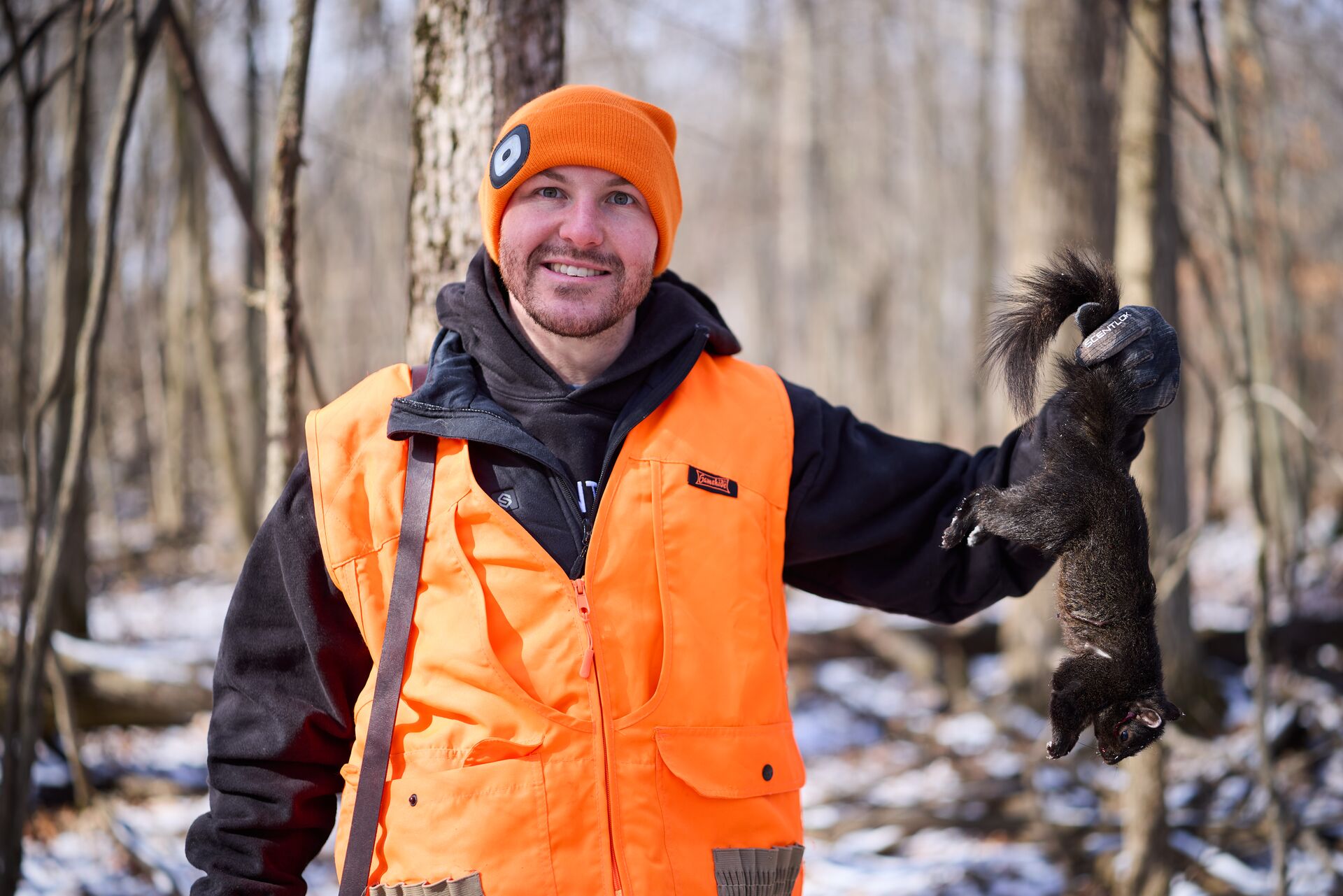
Your first-time hunter checklist is more than just a gear list for opening day. While it's not a comprehensive guide to your first hunt, a checklist gives you a moment to reflect on whether your training, equipment, and hunt plans will increase or hinder your safety and chances of success.
One of the first items on that checklist should be hunter education since most states require hunters to have a valid hunter education or hunter safety certification before purchasing a license or tags.
An effective hunter also understands state and federal regulations, licensing and tag requirements, is proficient with the weapon of their choice, knows the hunting area like the back of their hand, and knows and trusts every piece of gear before taking it to the field.
Keep reading for our recommended checklist that walks you through each step required before opening day. Put the work in now so that when an opportunity presents itself in the field, you can focus on making a safe, ethical decision rather than discovering your shortcomings.
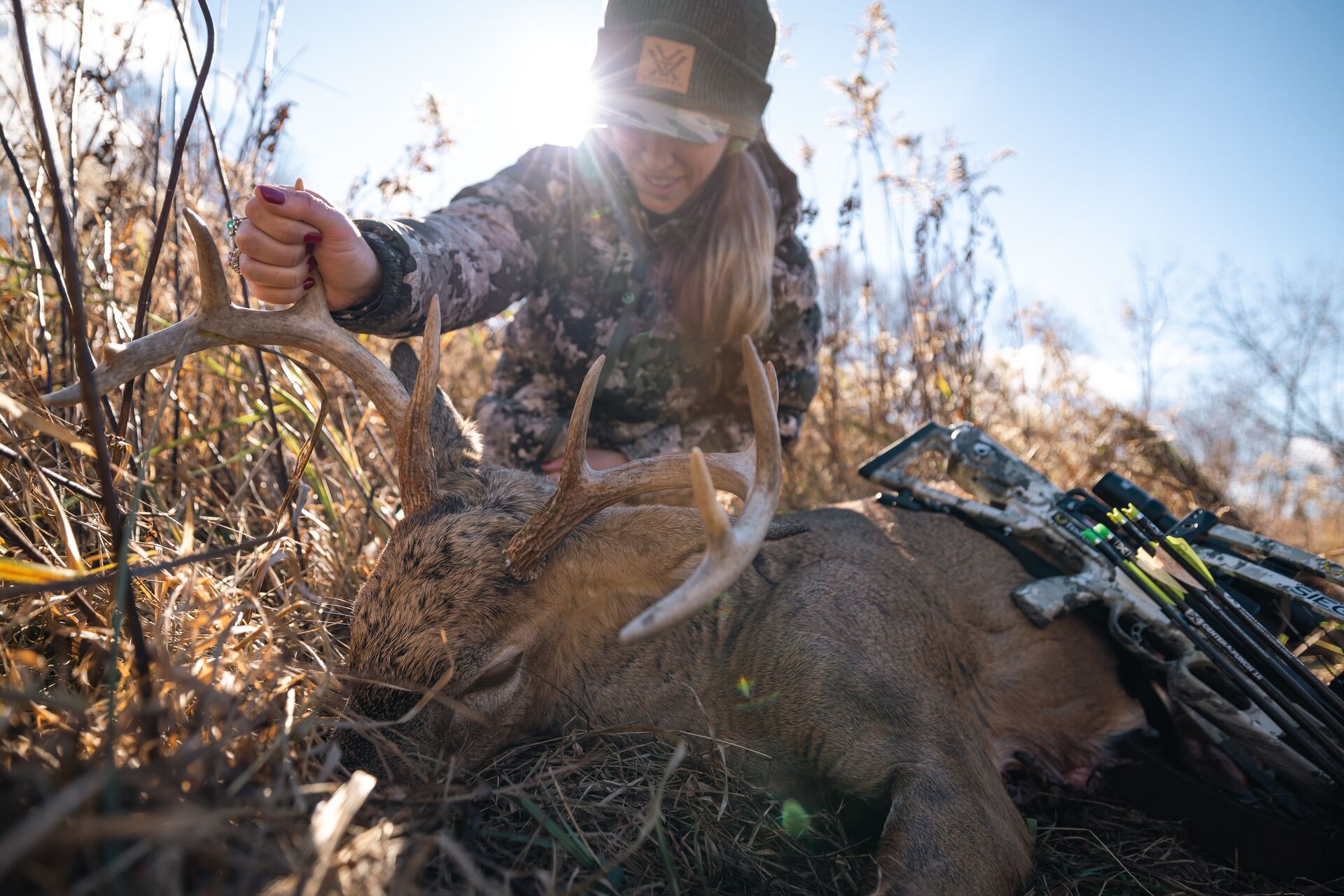
Step-by-Step: First-Time Hunter Checklist
Preparing for your first hunting season, whether you’re after small game or pursuing your first whitetail buck, is more of a process than a single task. Use our first-time hunter checklist to make sure you’ve covered the essentials before opening day.
- ✔️ Complete a hunter education course: Sign up for your state’s hunter education course through ilearntohunt. Give yourself plenty of time to complete the self-paced course before the season starts.
- ✔️ Purchase a resident hunting license and any necessary tags or stamps: At a minimum, you’ll need to purchase a basic license or apprentice hunting license (if applicable to your situation). You can then purchase species-specific tags, stamps, or permits.
- ✔️ Review your state’s hunting regulations: Visit your state’s wildlife agency website or pick up a paper copy of its hunting guidelines to know what the season dates, bag limits, shooting hours, legal equipment, blaze orange requirements, and harvest reporting rules are.
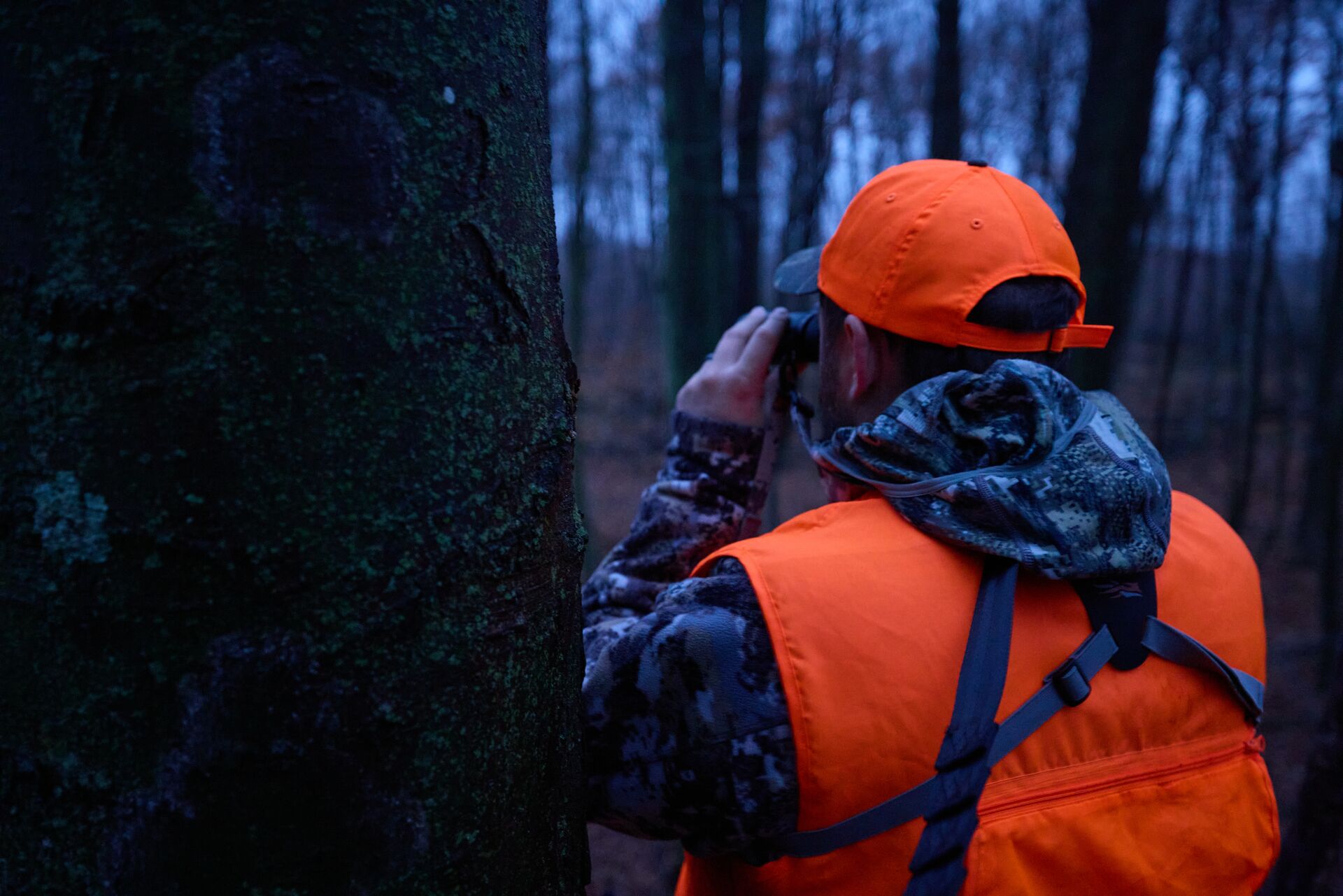
- ✔️ Conduct pre-season scouting: Use paper and e-maps to understand property boundaries, identify potential access points, and game movement areas. Then lace up your boots and walk the area to look for sign and more accurately map potential routes and stand locations.
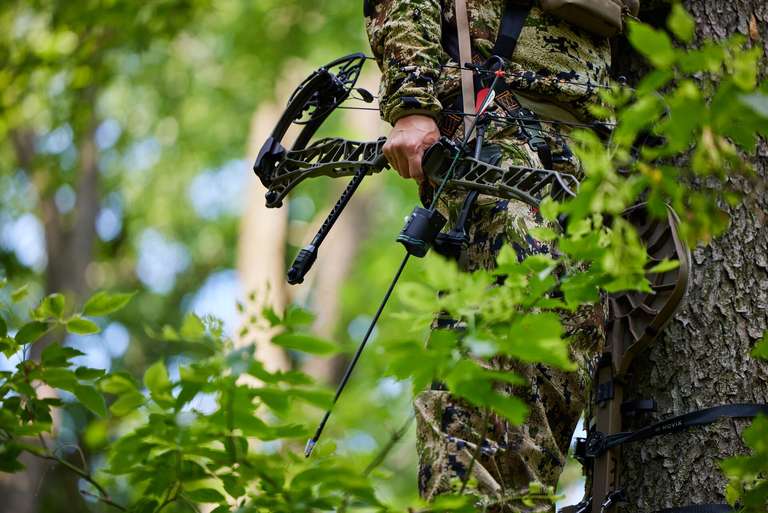
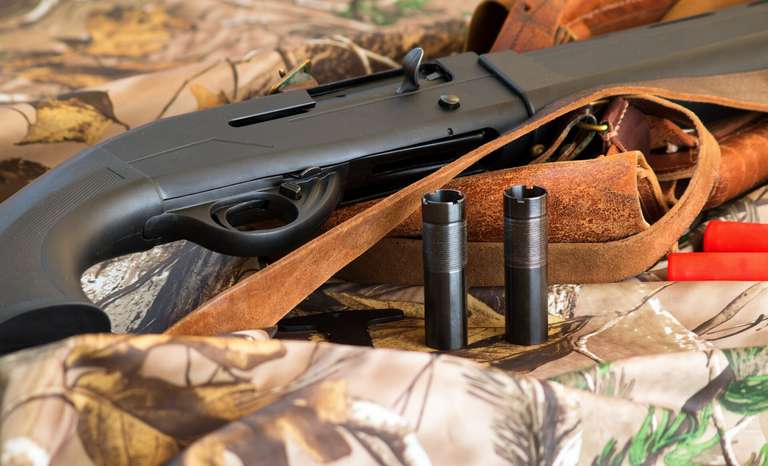
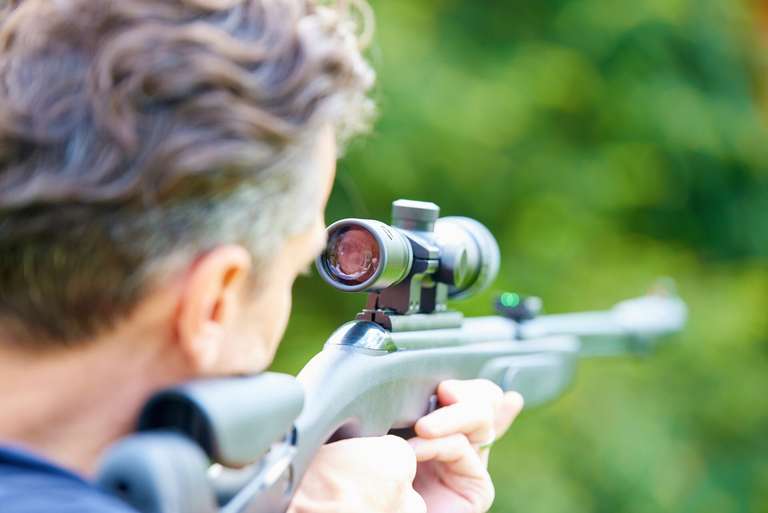
- ✔️ Practice with your weapon: Ideally, you should be practicing with your rifle, shotgun, pistol, or bow year-round. Make sure your weapon is zeroed and that you know your effective range for each shooting position. This is also a time to check your weapon’s reliability and whether it snags on your clothing or back straps.
- ✔️ Prepare and test your gear: Check that your clothing, boots, safety equipment, first aid kit, navigation tools, calls, pack, emergency gear, and communications equipment are in working order.
- ✔️ Include a safety checklist: These are "must-have" safety procedures and items you carry with you (in a pack, vest, or pockets) every time you go hunting. No exceptions.
- ✔️ File your hunt plan with a trusted contact: Always share your hunting plan with a trusted contact. Provide information on where your vehicle will be parked, what area you’ll be hunting, when you plan to return, and who to contact if you don’t check in within a predetermined time.
These steps should provide a good starting point for your checklist. As you get more experience, you’ll refine the list and most likely create a new list for each type of hunting you do throughout the season.
Why Hunter Education Comes First
Before starting your first-time hunter checklist, make plans to complete your hunter education requirements. Focusing on earning your hunter education certificate is critical because it affects almost every step that follows. In many states, that certificate is required before you can purchase your first hunting license.
Hunter education courses, also known as hunter safety courses, teach a variety of fundamental topics, including:
- Firearms and bow safety
- Wildlife identification
- Conservation principles
- Basic fieldcraft
- Local and federal hunting regulations
- Ethical hunting practices
A hunter education class teaches that hunting is more than the harvest. Students learn how hunting fits into the broader picture of conservation and the importance of their role as hunters in wildlife management and in representing the hunting community to the non-hunting public.
That’s why groups like the International Hunter Education Association support hunter education standards across North America to promote safe, responsible hunting practices.
Completing your hunter education course online through ilearntohunt lets you learn these skills from the comfort of your home, at your own pace, so you have plenty of time to work around family, job, or school commitments before the season starts.
Once you complete your hunter education course, consider keeping your hunter education card with your hunting license and tags since some states require hunters to carry proof of certification during a hunt.

What About Licenses, Tags, and Stamps?
After completing your hunter education course and getting your certificate, your next step is to purchase the correct hunting license and species-specific tags or permits. A basic or standard hunting license is required in every state, though some allow exceptions for youth hunters.
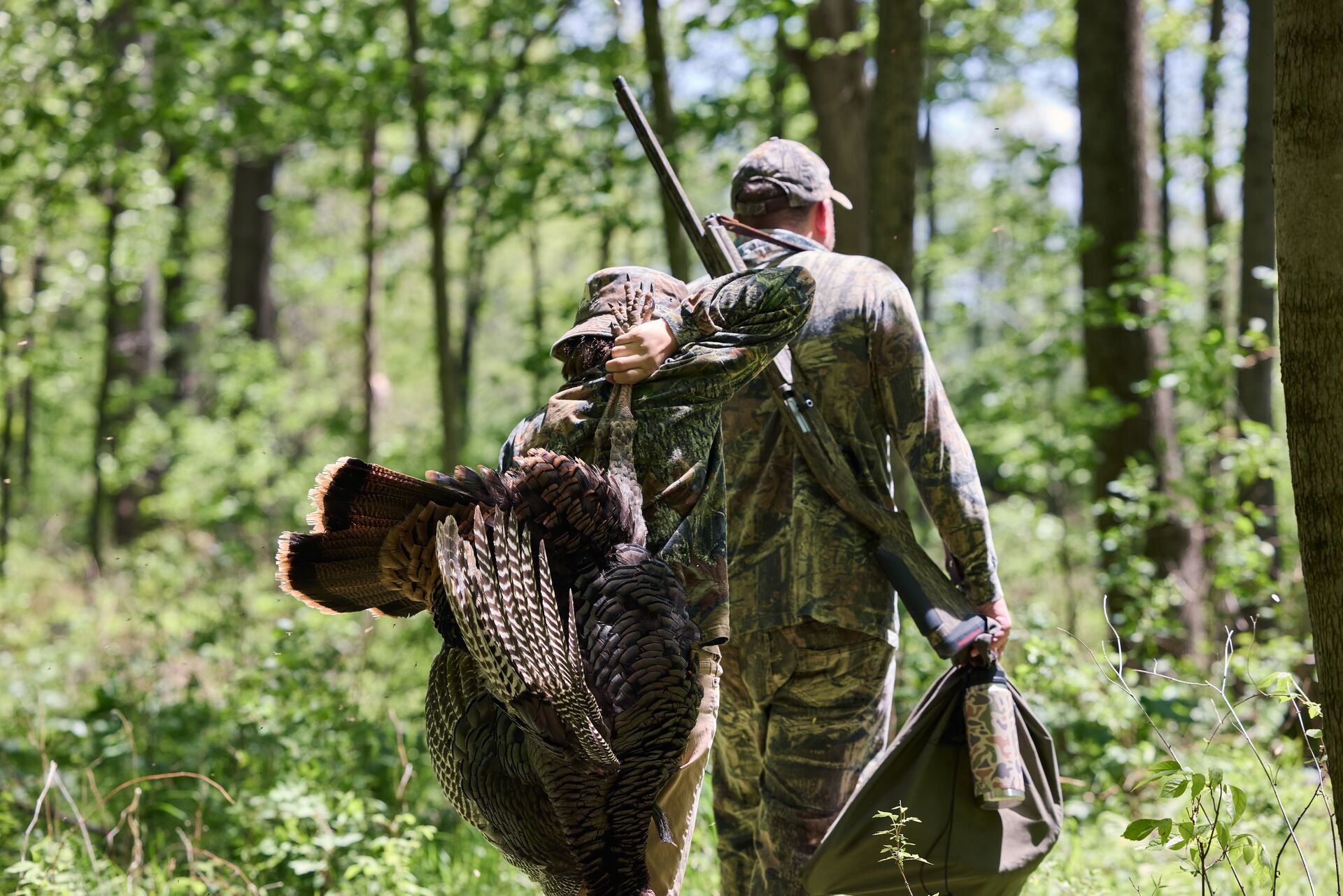
However, each state has different requirements for hunting turkey, bear, deer, elk, moose, upland birds, waterfowl, goats, sheep, alligators, and other species. Hunting these species often requires purchasing a tag or permit. That tag must then be immediately attached to the harvested animal before it is transported from the field.
Some states may also require additional stamps or validations based on the type of weapon used or the area in which you hunt. Your license, tags, stamps, and validations can be purchased online through your state’s wildlife agency or in person from authorized retailers.
Review Blaze Orange Regulations for Your State
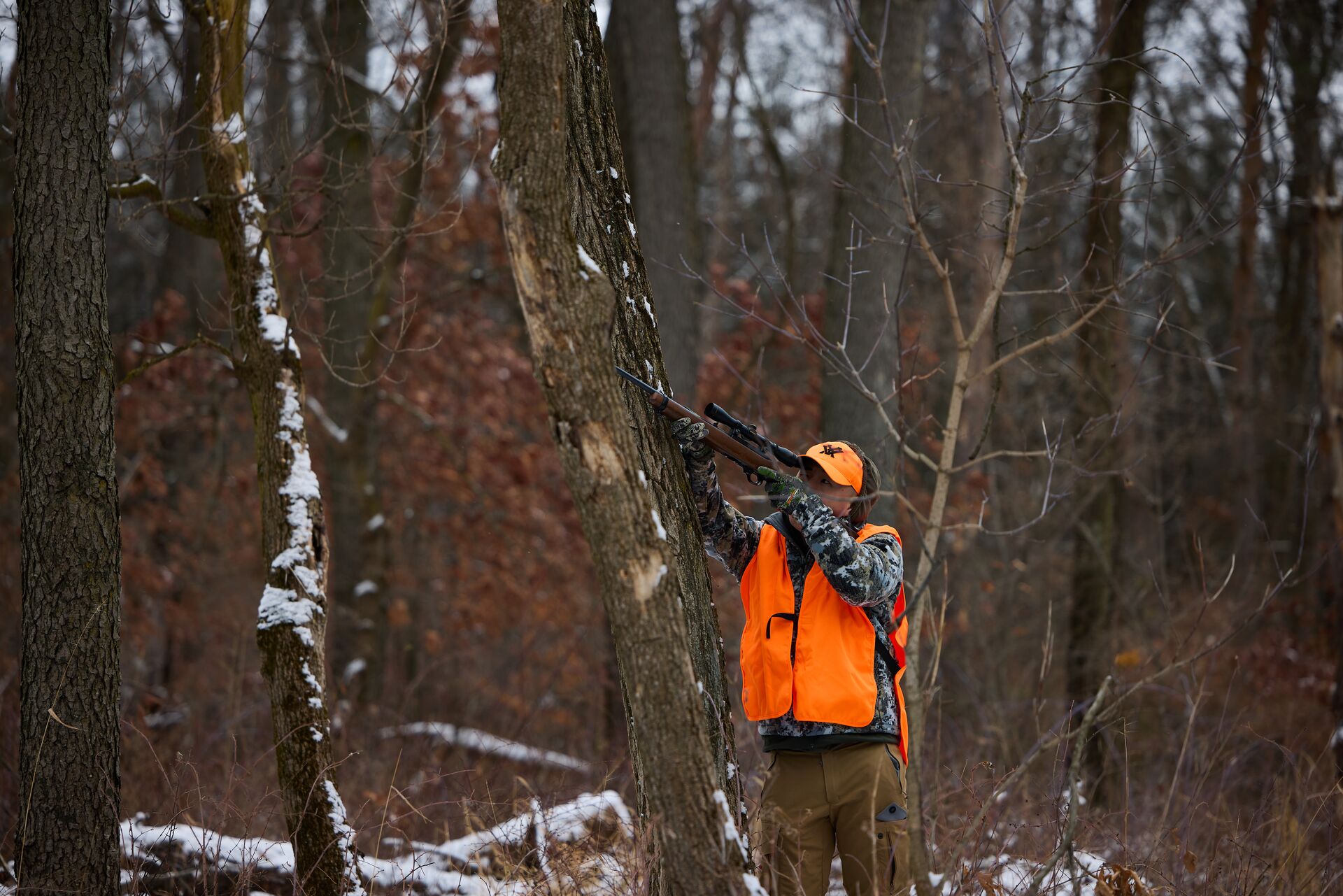
When you buy deer tags, pay close attention to the clothing requirements. Many states require deer hunters to wear blaze orange or fluorescent pink clothing and specify the percentage of their bodies and equipment that must be covered in this high-visibility color.
Check your state’s wildlife agency resources for details.
Common License and Stamp Requirements for Deer Hunting
What do the tags and stamps look like for a typical hunt? The chart below shows what hunters typically need for a deer hunt. However, be sure to check the specific regulations for your state each season to make sure you're prepared.
Typical License and Stamp Requirements for Deer Hunting | ||
Item | Required for | Where to Buy |
Hunting license | All deer hunters | State wildlife agency |
Deer tag | Harvesting a deer | State wildlife agency |
Blaze orange clothing | Firearm deer hunters in most states | Sporting goods store, online |
Hunter education card | First-time license buyers in most states | Earned upon hunter safety course course completion |
Federal or state waterfowl stamp | Waterfowl hunters | USFWS or state wildlife agency |
Even if you’re not hunting species that require permits, I’ve found it helpful to have a broad understanding of those seasons and how they will affect your hunts in private, public, and special management areas.
Know Your State Hunting Regulations
Your state wildlife agency continually monitors animal populations and the effects of natural and human-made pressures on their habitats. That’s why hunting regulations are prone to change, often from season to season.
Bookmark your state’s current online regulation booklet or pick up a printed copy before planning your hunt. Note the season dates, legal shooting hours, bag and possession limits, legal equipment, tagging rules, and harvest reporting requirements.
Also, make sure to check whether there are any specific regulations for the areas you plan to hunt. Many states also set regulations by zone, county, or game management unit.
Rules for one hunting area may differ from those in other parts of the state, so pay close attention to your boundaries when planning your hunt and when you step into the field.
Aside from species and local regulations, you should also look for rules on blaze orange (high-visibility clothing), public land access, shooting hours, tree stand registration, how harvested animals and weapons can legally be transported, and harvest reporting deadlines.
If any rules are unclear, call or email your state wildlife agency.
Scouting and Pre-Season Preparation
Pre-season scouting can dramatically improve your chances of success because you’ll have a better understanding of where and when the animals you’re hunting travel, feed, and bed in a specific area.
A tried-and-true process is to start with map studies. Using traditional USGS maps or mapping apps, look for property boundaries, terrain changes, water and food sources, natural funnels, high points for spotting, and potential travel corridors.
Once you’ve identified those features, plan a couple of routes that you can follow and spend as many days as you can scouting on foot. Look for tracks, scat, rubs, scrapes, bedding areas, and game trails. If you’re hunting larger game, be mindful of entry and exit points to safely and quickly bring your harvested animal back to your vehicle to avoid spoilage.
If legal in your area, consider setting up trail cameras before the season starts. They can give you a better idea of when animals are moving through an area and help you avoid over-hunting and pressured areas.
Even though you need to get a better understanding of your planned hunt area, don’t add to the pressure on wildlife. Vary your times and routes to minimize disturbance to the area and wildlife from your presence and scent.
Gear Essentials for a First Hunt
While it’s tempting to want every piece of the latest hunting gear, beginner hunting tips recommend basics that will keep you safe and comfortable for the types of hunts and climates you’ll operate in.
Keep notes on what worked and what didn’t work, or what you carried but never used, at the end of every hunt. At the end of the season, you can re-evaluate and add or subtract gear for the following season.
- A layered clothing system that you can trust in the field: Clothing is your primary protection from the elements. A good setup is to have a moisture-wicking layer next to your skin (the base layer), an insulating mid-layer, and a windproof or waterproof outer layer. Start with layered clothing appropriate for your climate. You don’t need to wear all these layers at once, so have a way to carry the middle and outer layers if you don’t need them.
- Proven and tested footwear: Use boots that you’ve put several miles on and are suited to the terrain and weather conditions. You may have to try several boots with different sole stiffness, inserts, and sock combinations to find a pair that works for your feet.
- Tree stand safety harness: If you’re hunting from a tree stand, use a properly fitted safety harness or Fall-Arrest System (FAS).
- First aid: Always carry a basic first-aid kit in the field and a more robust one in your vehicle, and know how to use them. If you hunt with a dog, expand your medical kit to include canine-specific gear.
- Navigation aids: Have at least one navigation tool, such as a GPS app or a satellite communications device, plus a paper map and compass as a backup.
- Fire and light: Have multiple ways to start a fire, at least one light source (e.g., a headlamp or flashlight), and spare batteries.
- Communications: Carry a fully charged phone and an external battery pack with the right cable to recharge it in the field.
- Species-specific accessories: Based on what you’re hunting, you may also need to carry calls, scent control products, weapon accessories, or a small tool kit.
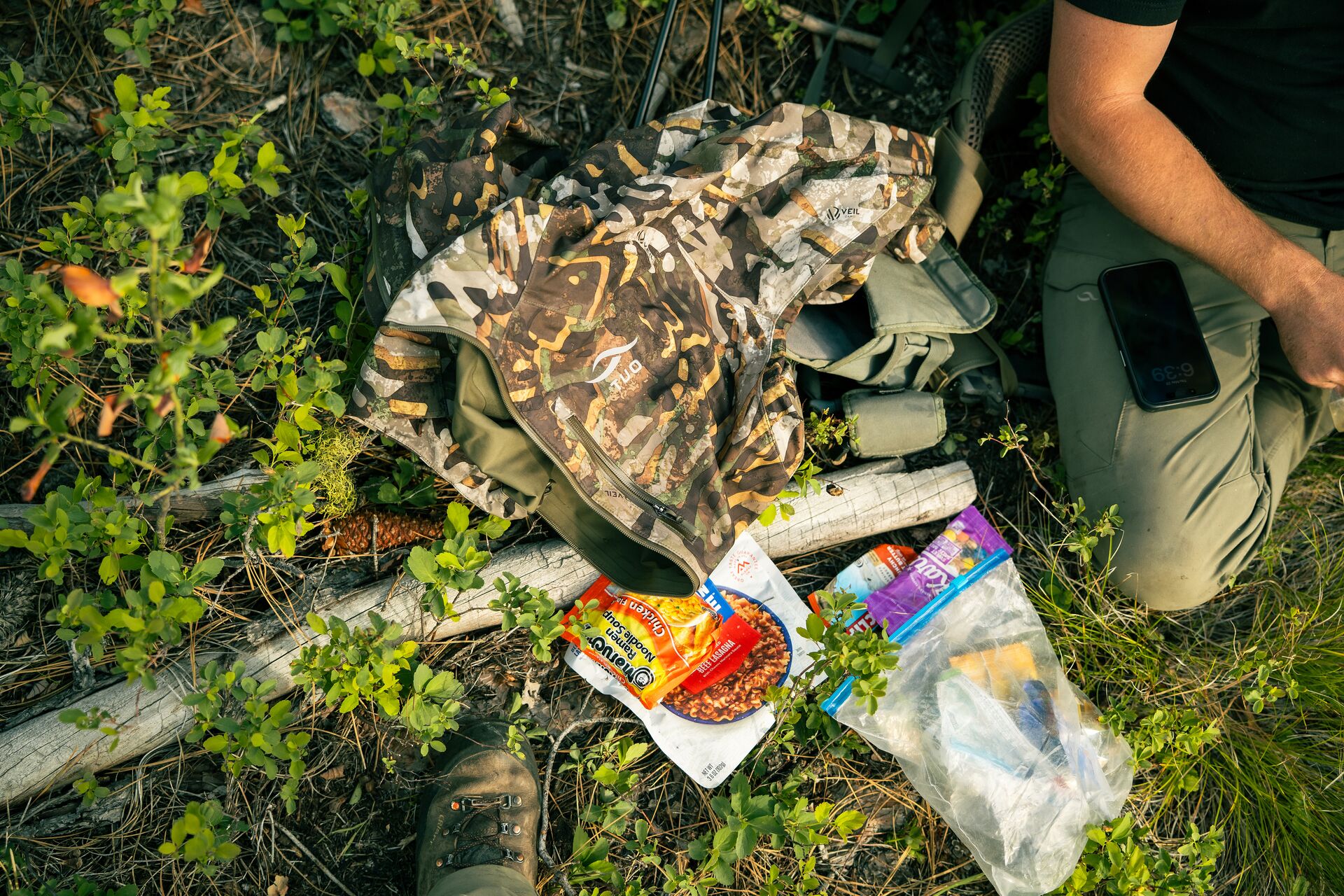
- Food and water: Always carry enough food and water to keep your body adequately fueled and hydrated during the hunt. The farther you go from your truck, the more food and water you should bring.
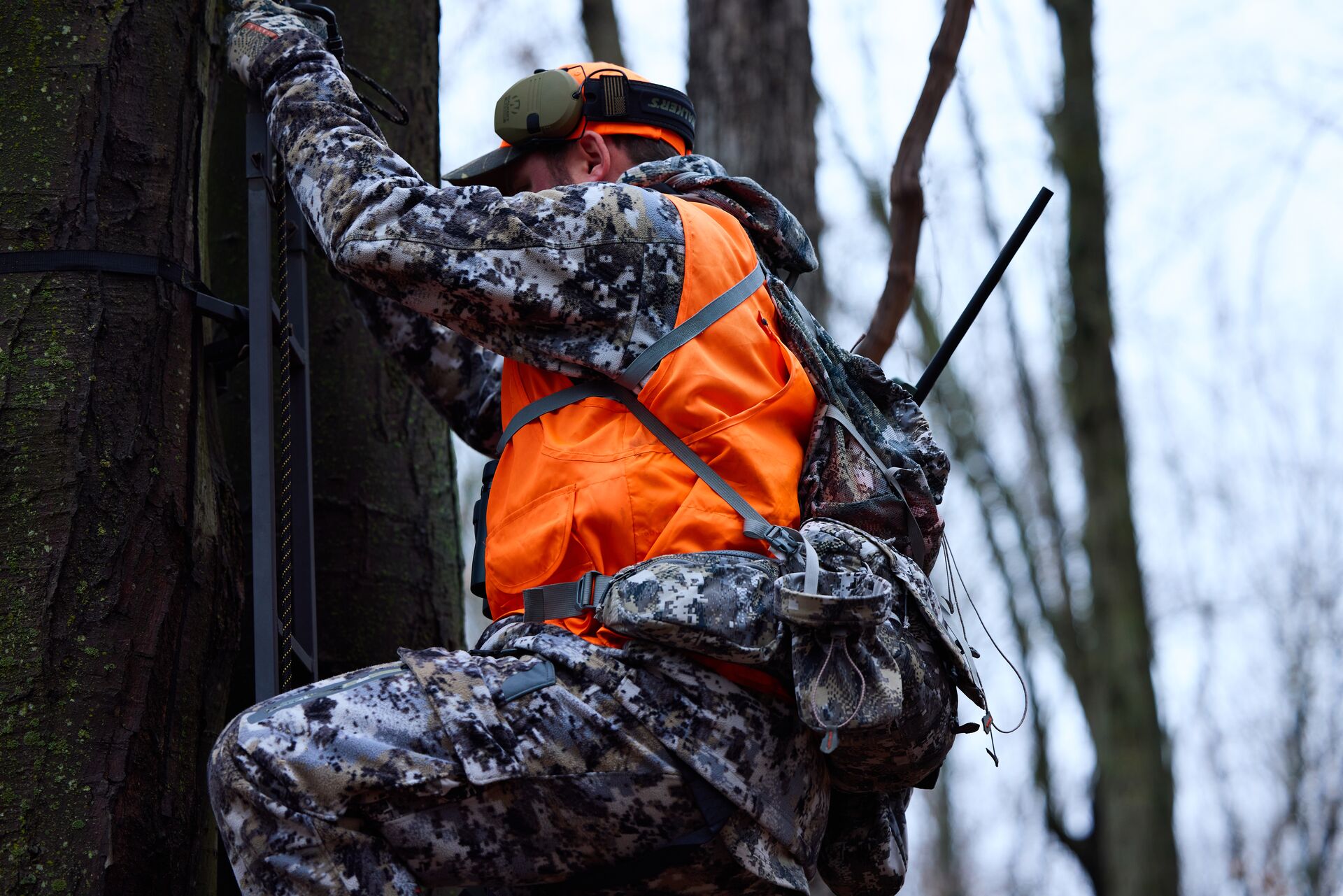
Although that list might look long, know that you don’t have to carry everything with you. You just have to carry the right gear for the conditions. More importantly, you need to know how to use everything you carry and have confidence in your skills and equipment.
Filing a Hunt Plan
A well-made hunting plan is a document that outlines your actions during the hunt and provides a trusted contact with two vital pieces of information: where and when you’ll be at specific locations in case someone needs to find you, and who to contact in case of an emergency.
Your hunt plan should include the following:
- Hunting location (nearby town and cross streets)
- Access points to the area (GPS coordinates)
- Expected entry and exit points (GPS coordinates)
- Planned route and waypoints (GPS coordinates)
- Expected start and end times
- Emergency contact information
- Communications, first aid, and emergency equipment you’ll be carrying
If weather or animal movement changes your plans, make sure to update your contact. Your hunt plan only works if the information is current. It’s one of the simplest safety steps any hunter can take.
Common Mistakes First-Time Hunters Make (and Should Avoid)
While no one wants to have a bad experience in the field, new hunters can improve their chances for success and safety by avoiding common mistakes.
- Procrastinating completing hunter education: Everything in life has a deadline, and that is especially true for hunting. Courses, field days, and licensing windows all have enrollment and cutoff dates, and they fill up quickly as the season opener approaches.
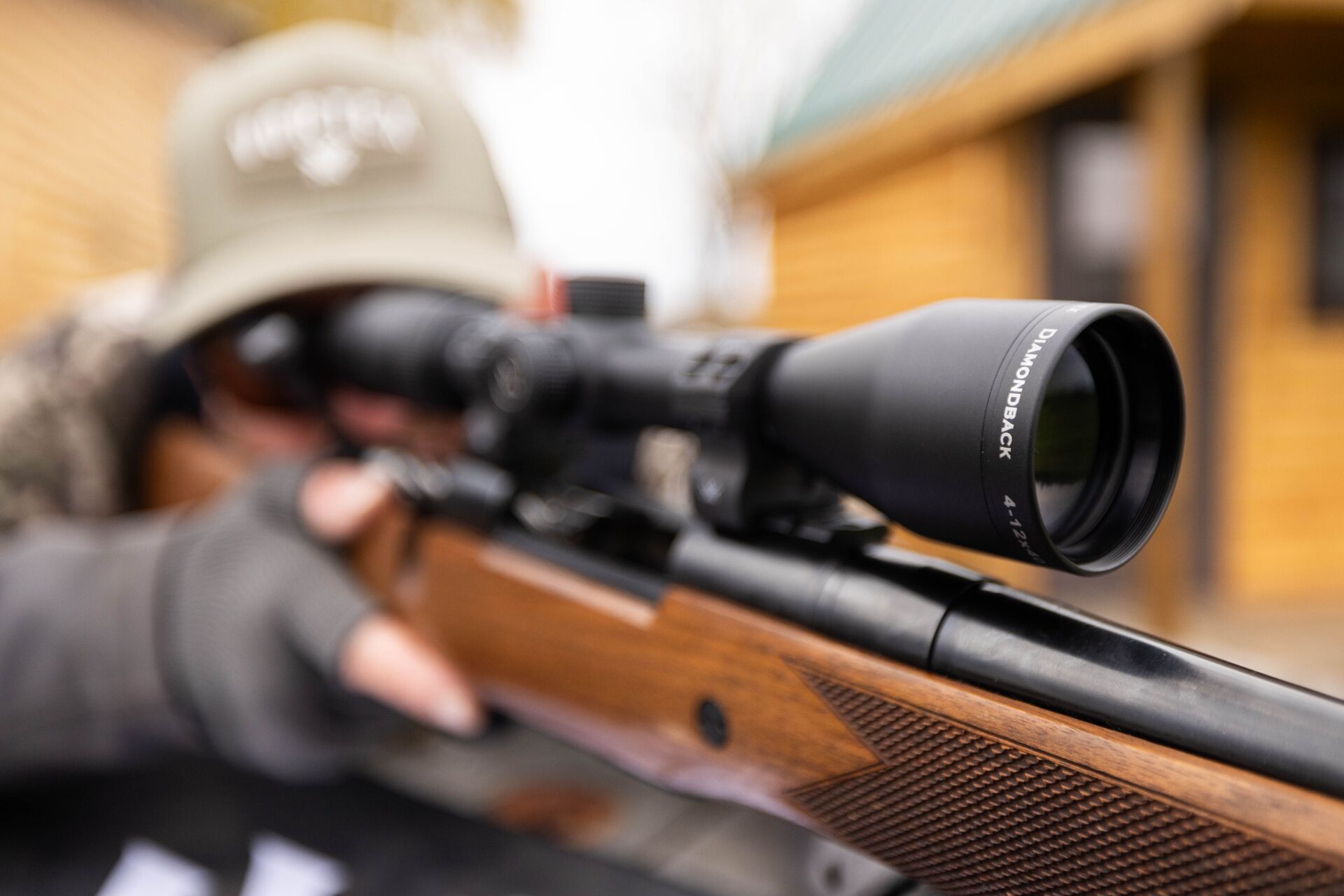
- Not confirming and re-confirming zero: Just because you zeroed your rifle or bow at the range two months ago doesn’t mean that zero held on the day of your hunt. Always confirm your zero before a hunt and know your effective range and how to adjust for various distances and angles.
- Ignoring current regulations: States change hunting regulations annually, so make sure you know the current season dates, tag rules, legal equipment, and reporting requirements before you leave home.
- Failing to create and share your hunt plan: Never forget that Mother Nature has a vote in your plans. If your hunt goes sideways, your hunt plan can help keep a bad day from turning into a survival situation.
- Underestimating physical demands and your fitness: Many of us struggle to translate what terrain on a map looks like in real life. Train for the conditions you’ll be in and know your limits.
- Testing gear on opening day: Never let your equipment catch you off guard during the hunt. Know and trust your equipment, and understand its limits. You don’t want to find out your footwear isn’t keeping your feet warm in the early hours of a late-season deer hunt.
All of these mistakes can be avoided with proper preparation. The more you use and test your gear before opening day, the more confident and focused you can be on the hunt.
Start Your Hunting Checklist with Hunter Education
Creating a checklist for your first hunting season is an important step toward success in the field. It’s a process that takes some time, so you shouldn’t wait until the week before opening day to get started.
A logical starting point is to enroll in and complete your hunter education requirements. Your hunter education certificate is what enables you to purchase a license and the necessary tags to hunt legally. Without those, you have no hunting season.
Sign up for your state’s hunter education course through ilearntohunt and complete your requirements early. You’ll learn vital safety protocols, hunting ethics, state-specific regulations and licensing requirements, as well as basic fieldcraft skills that you can implement in the field.

Frequently Asked Questions (FAQs)
Q: What is the first thing a first-time hunter needs to do?
A: The first step is to complete a hunter education course if your state requires one. Hunter education teaches firearm or bow safety, hunting ethics, wildlife conservation, and state hunting regulations. In many states, you'll need proof of hunter education before you can buy your first hunting license.
Q: Do I need a hunting license for my first hunt?
A: Yes, in most cases you'll need a valid hunting license before hunting. Depending on the species and your state's regulations, you may also need tags, permits, or stamps. Some states offer apprentice hunting licenses or have exemptions for certain youth hunters, so check your state's wildlife agency for the requirements that apply to you.
Q: What gear do I absolutely need for a first deer hunt?
A: Start with the essentials: weather-appropriate clothing, broken-in boots, your legal hunting weapon, required blaze orange or fluorescent pink clothing (where applicable), a first-aid kit, navigation tools, food, water, and a way to communicate in an emergency. If you're hunting from an elevated stand, always wear a properly fitted tree stand safety harness.
Q: How do I find where to hunt as a first-time hunter?
A: Begin by identifying public or private land where hunting is allowed. Study maps to understand property boundaries, access points, terrain, and likely wildlife travel routes, then scout the area in person before the season. Always confirm that hunting is permitted and review any area-specific regulations before your hunt.
Q: Do I need to take a hunter safety course every year?
A: No. Hunter education is generally a one-time certification that remains valid for life, although some states may have additional requirements for specific situations. Keep your hunter education certificate with your hunting license if your state requires proof of certification while hunting.
Q: What happens if I hunt without completing hunter education?
A: If your state requires hunter education, hunting without completing it can prevent you from legally purchasing a license or may result in citations, fines, or other penalties if you're caught hunting without meeting the requirement. Always verify your state's hunter education and licensing rules before heading into the field.
Q: How far in advance should I start preparing for opening day?
A: Start preparing several weeks or even months before the season opens. This gives you enough time to complete hunter education, purchase licenses and tags, scout your hunting area, practice with your weapon, test your gear, and review current hunting regulations without rushing.
Q: What is a hunt plan and why does it matter?
A: A hunt plan is a written summary of where you'll be hunting, when you expect to return, and how someone can reach or locate you if something goes wrong. Sharing this information with a trusted contact is an important safety step that can help emergency responders if you're overdue or injured.
Q: Can I borrow gear for my first hunt instead of buying everything at once?
A: Yes. Borrowing quality gear from an experienced hunter is a practical way to get started. Just make sure you test any borrowed equipment before opening day so you know it fits properly, works as expected, and you're comfortable using it safely.