At What Age Do You Need a Hunting License In Your State?
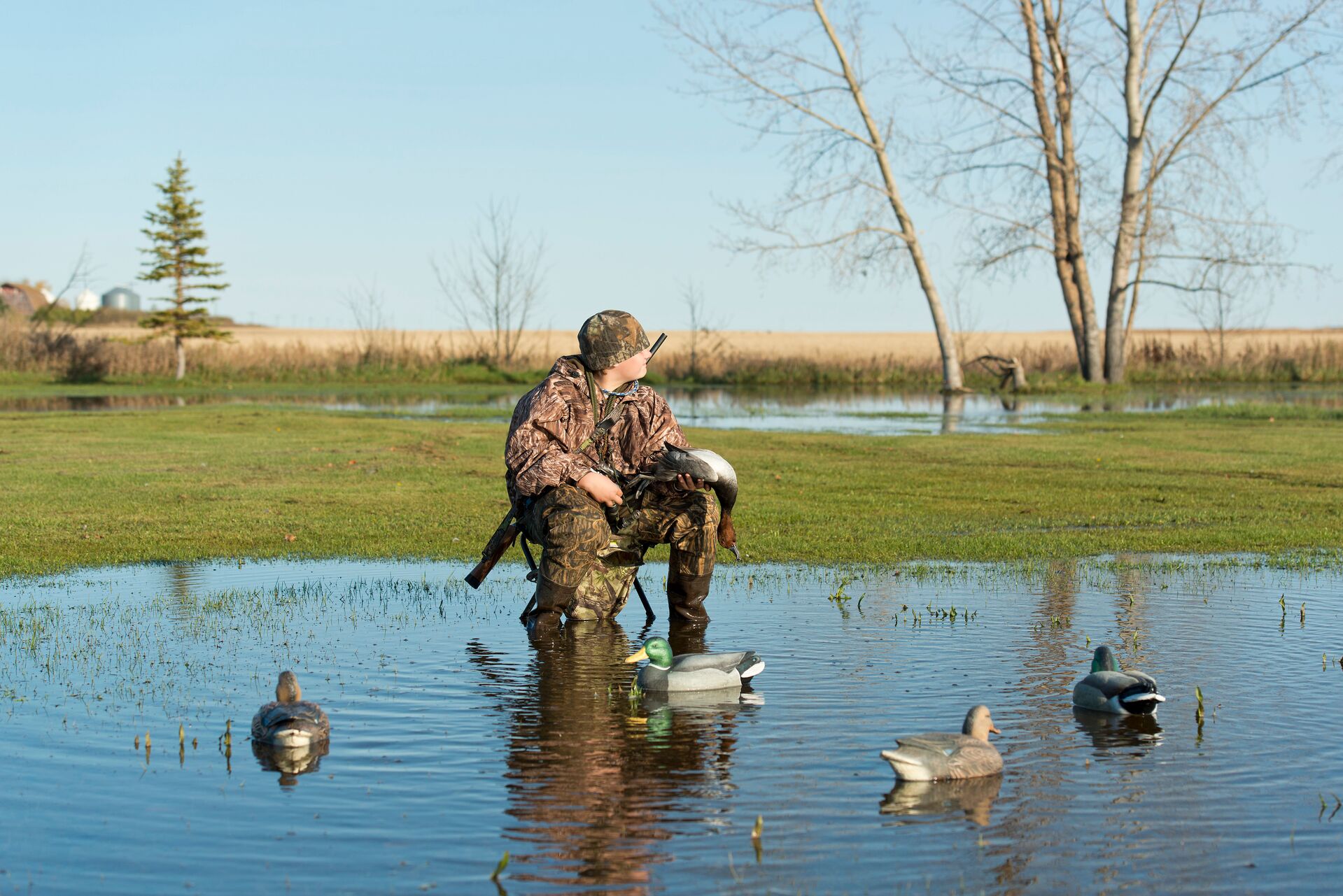
In most US states, all hunters age 16 and older are required to purchase a hunting license. Children under 16 are often exempt from license requirements or eligible for a reduced-fee junior license depending on the state. However, nearly all states (regardless of age) require first-time hunters to complete a certified hunter education course before hunting independently.
Some states offer apprentice licenses that allow youth or first-time adult hunters to hunt under supervision before completing certification. If you are helping a young hunter get started, the right first step is enrolling in an online hunter safety course (like ilearntohunt), which offers state-approved courses for youth and adults in more than 25 states.
At what age do you need a hunting license? This guide will help you know the basics, possible regulation variations between the states, and the critical importance of hunter safety education.
Updated July 22, 2026.
Why Hunting Licenses Matter
A state hunting license is more than just a piece of paper to carry when you're hunting. The hunting license represents the culmination of wildlife conservation and hunter safety.
Your state's wildlife agencies and programs benefit directly from hunting license fees by supporting habitats, managing game populations, and enforcing hunting, trapping, and fishing regulations, ensuring these activities are sustainable for future generations.
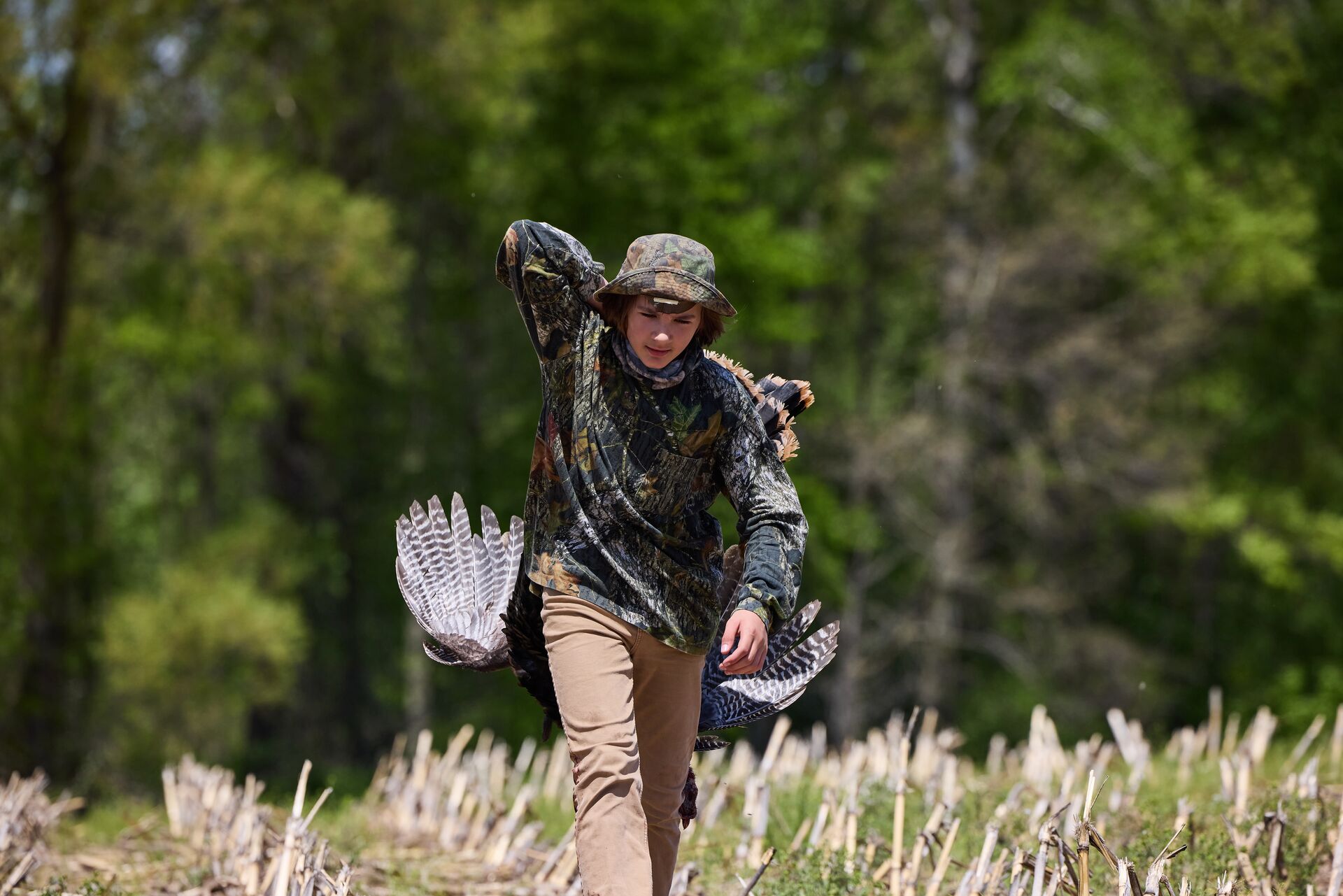
For youth hunters, completing a quality hunter education course and earning the right to carry that first license marks an important milestone in a hunter's life toward becoming a responsible steward of America's natural resources.
Understanding Age Requirements
Although each state has different requirements for the youth hunting age, most apply a similar policy of defining the minimum hunting age as between six and sixteen.
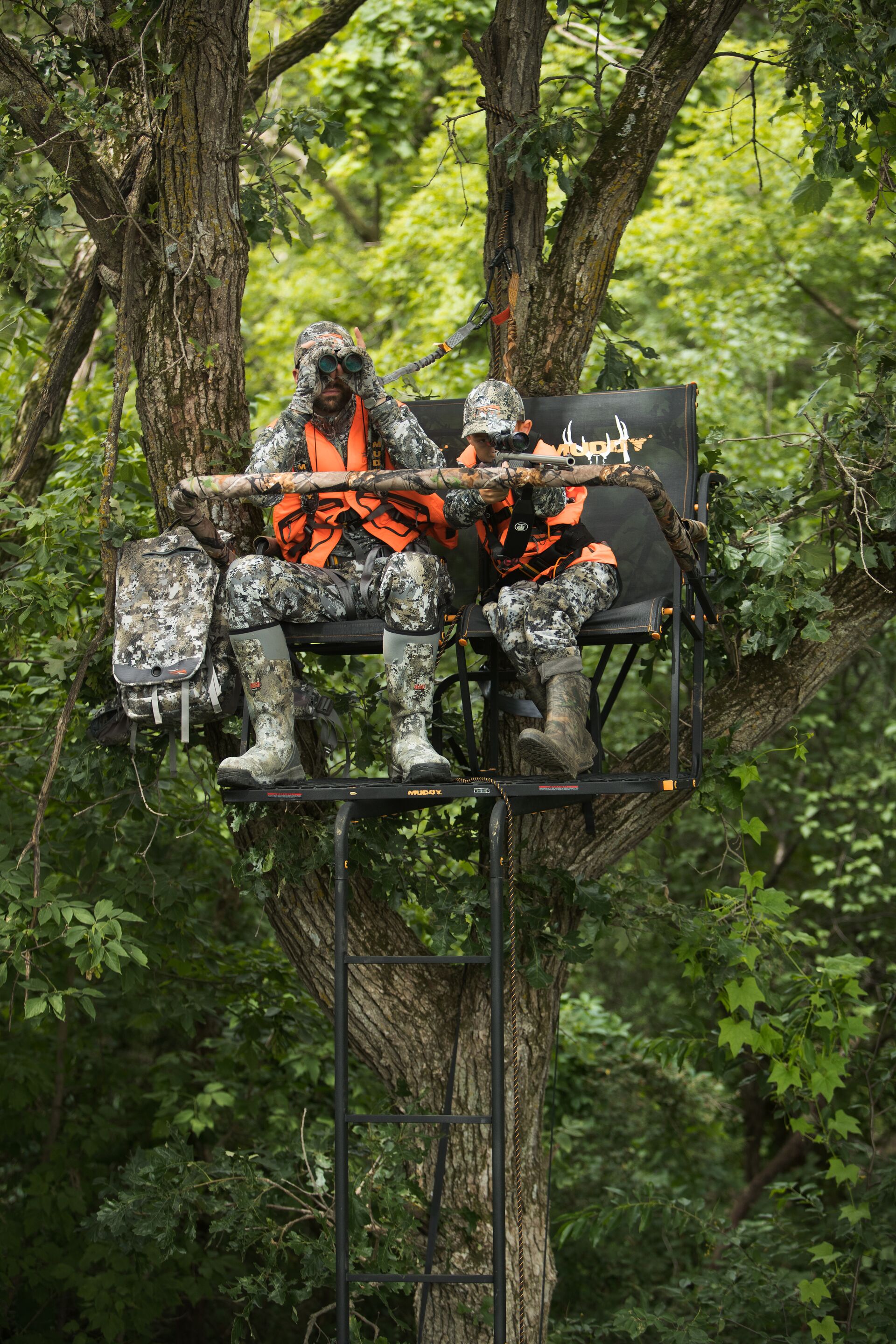
Some states allow children under 12 to hunt without a license as long as they are with a licensed adult mentor. This apprentice model allows kids to gain valuable hunting experience, learn marksmanship and outdoor skills, and interact directly with experienced hunters.
How to Get Your Young Hunter Licensed in 5 Steps
Every state sets its own rules for youth hunting licenses, but the path to the field follows a similar sequence no matter where you live.
Use this checklist to help your young hunter work through each requirement in order, from confirming the state's age rules to picking up the final license.
- Check your state's minimum age for a hunting license. Most states set that age at 16.
- For hunters under 16, look into whether a junior license or an age-based exemption applies in your state.
- Confirm whether hunter education is required for first-time hunters, regardless of age.
- Enroll in the ilearntohunt online hunter safety course for your state and complete certification before purchasing a license.
- From the state agency website or through a licensed vendor, purchase the license type that matches your hunter's age and hunting plans.
Once your young hunter checks off each of these steps, they'll have the right paperwork in hand before opening day. If any step raises questions, your state's fish and wildlife agency can confirm the exact age cutoffs, exemptions, and license types that apply to your hunter.
What Are the Age Requirements for a Hunting License in My State?
Age requirements for a hunting license in state vary significantly. The chart below highlights the requirements for ten states. Be sure to check the requirements for your state as your young hunter starts getting into the sport.
Common State Age Requirements for Hunting Licenses | |||
State | License Requirement Age | Youth License | Free Under What Age |
| Texas | 17+ | Yes (optional $7 Youth Hunting License) | 17 (residents exempt entirely) |
| Pennsylvania | 12+ (Junior License) | Yes
| None (even the youngest tier costs $2.97) |
| Georgia | 16+ | Yes (optional $15 Youth Sportsman's License, valid until 17) | 16 (residents exempt entirely) |
| Tennessee | 13+ (Junior Hunt/Fish/Trap License) | Yes (Junior license, roughly $9–10) | 13 (residents under 13 exempt entirely) |
| Wisconsin | Any age (no set minimum) | Yes. Discounted deer license under 12 (about $7). | None (a license is required at any age; there's no free/exempt tier) |
| Michigan | Any age (no set minimum) | Yes
| None (a license is required at any age; there's no free/exempt tier) |
| North Carolina | 16+ | No dedicated youth license (residents under 16 are fully exempt) | 16 (residents exempt entirely) |
| New York | 12+ (Junior Hunting License, about $5) | Yes. Junior Hunting License (12–15). | None (hunting isn't permitted at all under 12, so there's no free/exempt path) |
| Minnesota | 10+ (big game license) | Yes
| 13 (free for ages 10–12) |
| Oklahoma | 16+ | Yes (optional Youth Annual Super License, 17 and under) | 16 (residents exempt entirely) |
Which States Offer Free Licenses for Youth Hunters?
As you see in the chart above, some states let young hunters under a certain age hunt for free. Here's a list of states offering free hunting licenses to youth hunters.
- Alabama (residents under 16)
- Georgia (residents under 16)
- Indiana (residents under 13)
- Kentucky (residents and nonresidents under 12)
- Minnesota (ages 10–12)
- Missouri (residents and nonresidents under 16, most species)
- Montana (first hunting license free for youth 12–17 who complete hunter education)
- New Jersey (ages 10–15, after completing hunter education)
- North Carolina (residents under 16)
- Oklahoma (residents under 16)
- South Carolina (under 16)
- Tennessee (residents under 13)
- Texas (residents under 17)
- Virginia (residents under 12)
As always, be sure to confirm this information as you plan for the upcoming hunting season.
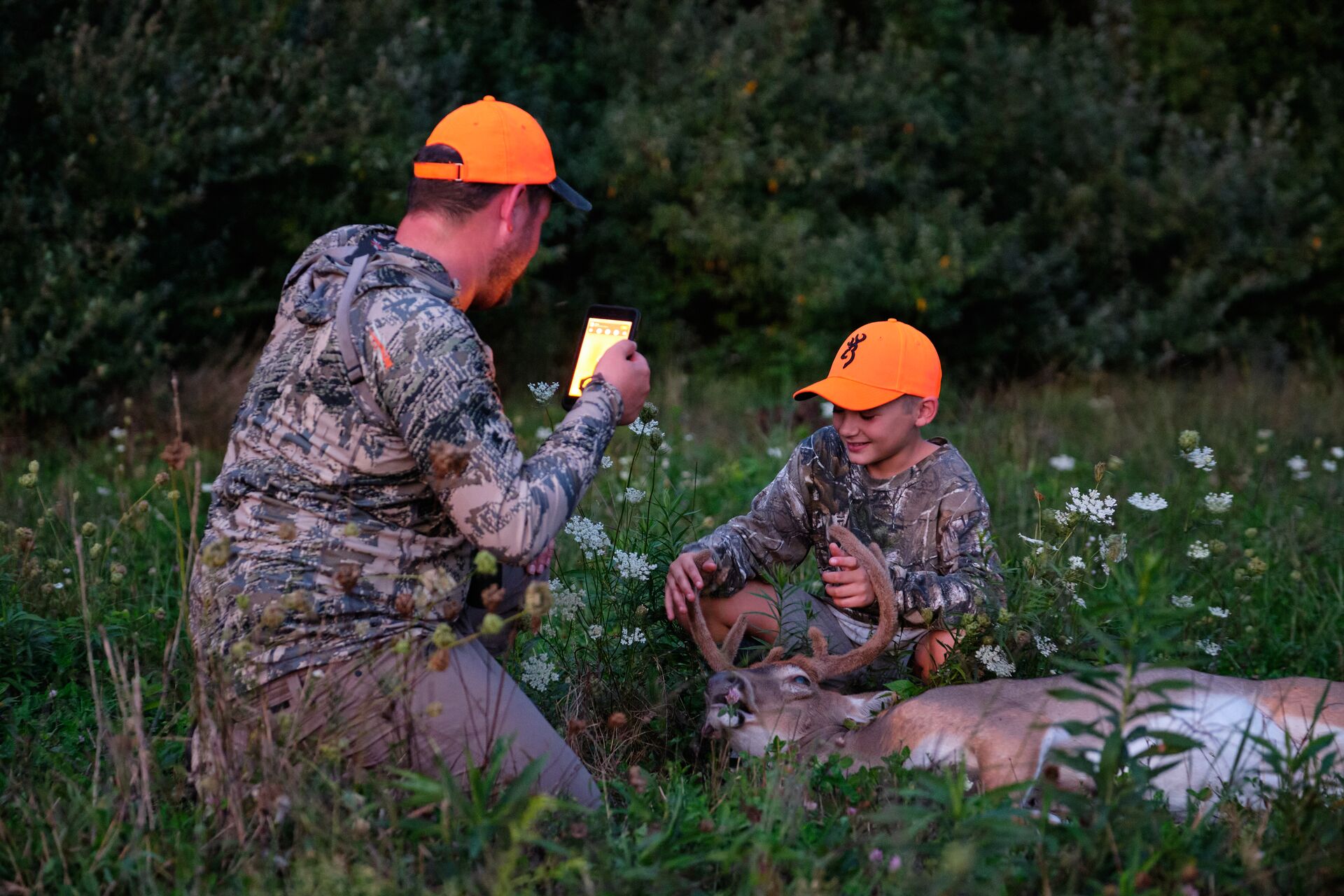
Today's Youth Hunting Programs Make Getting Started Easier
Your state's natural resources department or fish and wildlife agency often sponsors youth programs for new hunters to encourage the next generation of hunters to become active participants in wildlife conservation.
Events and promotions to look for include:
- Discounted youth licenses
- Early hunting seasons, before the general season opens, allow young hunters exclusive opportunities to hunt turkey, deer, upland birds, and other game.
- Reduced fees to help families hunt together
- Special harvest requirements or dates that allow youth to hunt animals like antlerless deer that are not included in the general season for adults
- Some states allow license-free hunting on private land (with adult supervision and landowner permission)
Initiatives like these are more than about making hunting more accessible. They help instill proper safety skills and ethical hunting practices at a young age that will last a lifetime.
The Critical Role of Hunter Education
So, at what age do you need a hunting license? Before a young aspiring hunter can own that coveted first license, most states require the completion of a state-specific hunter education course.
A comprehensive program should cover critical topics like:
- Basic hunting techniques
- Firearms safety
- Firearms handling
- First aid
- Safety awareness in the field
- Wildlife identification and behavior
- Conservation principles
- Seasons and local regulations
The sooner your young hunter completes those education requirements, the better prepared they will be to earn their first hunting license before their first hunting season. Online courses designed to the unique requirements of each state (like those offered by ilearntohunt) make completing this important training convenient for busy families who can learn from the comfort of their homes.

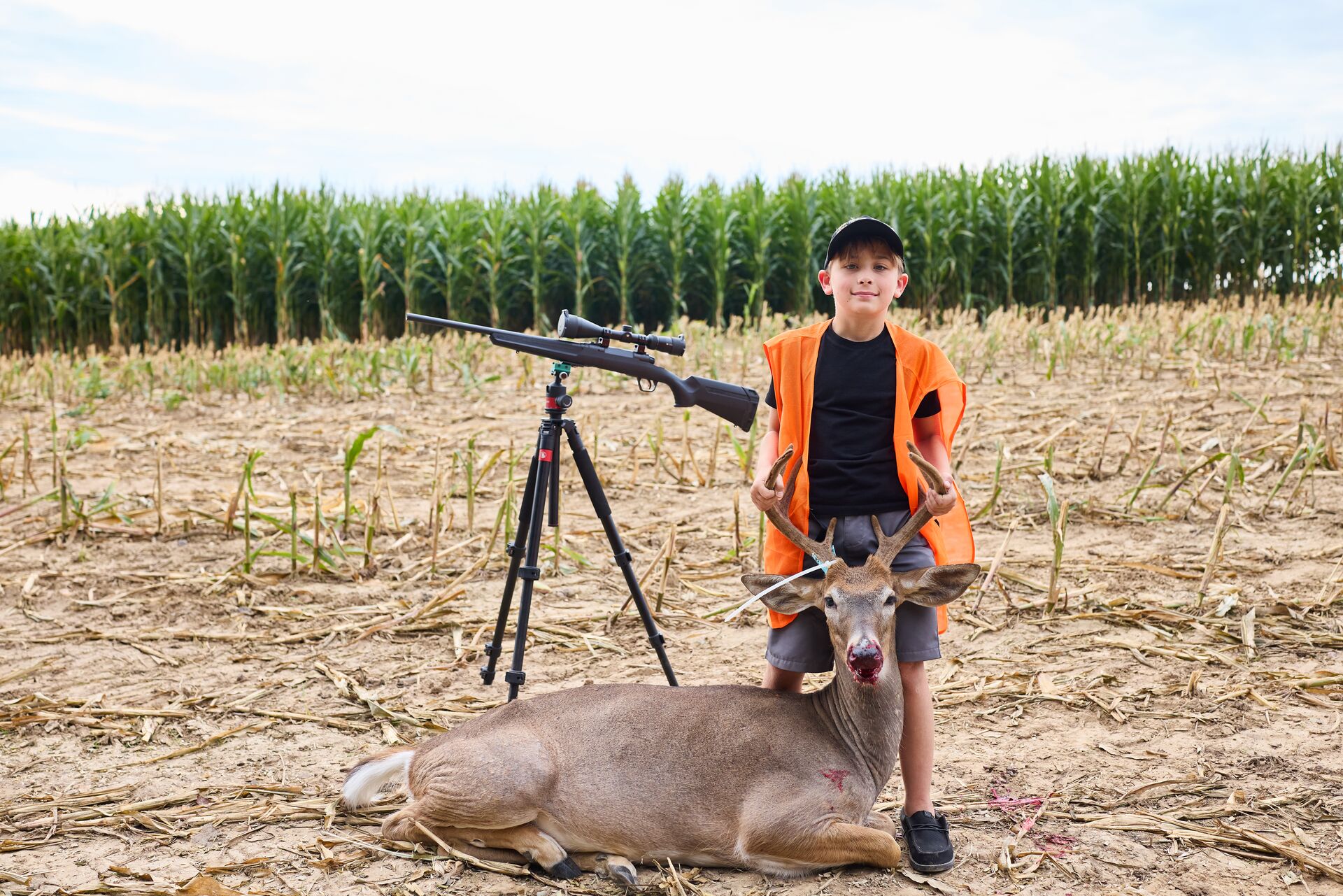
Safety Through Supervision
How old do you have to be to hunt alone?
Once a young hunter obtains a license, many states still require a licensed adult hunter to accompany the youth in the field. Typical requirements may include:
- Adult supervision of any hunter under the age of 16
- One-on-one supervision in the field, although some states allow mentors to supervise multiple youth hunters on select hunts
- An adult hunter must ensure the youth hunter follows all state wildlife regulations and adheres to safe weapons and game-handling practices.
This structured level of oversight reinforces vital safety habits through hands-on guidance and fosters valuable mentorship opportunities.
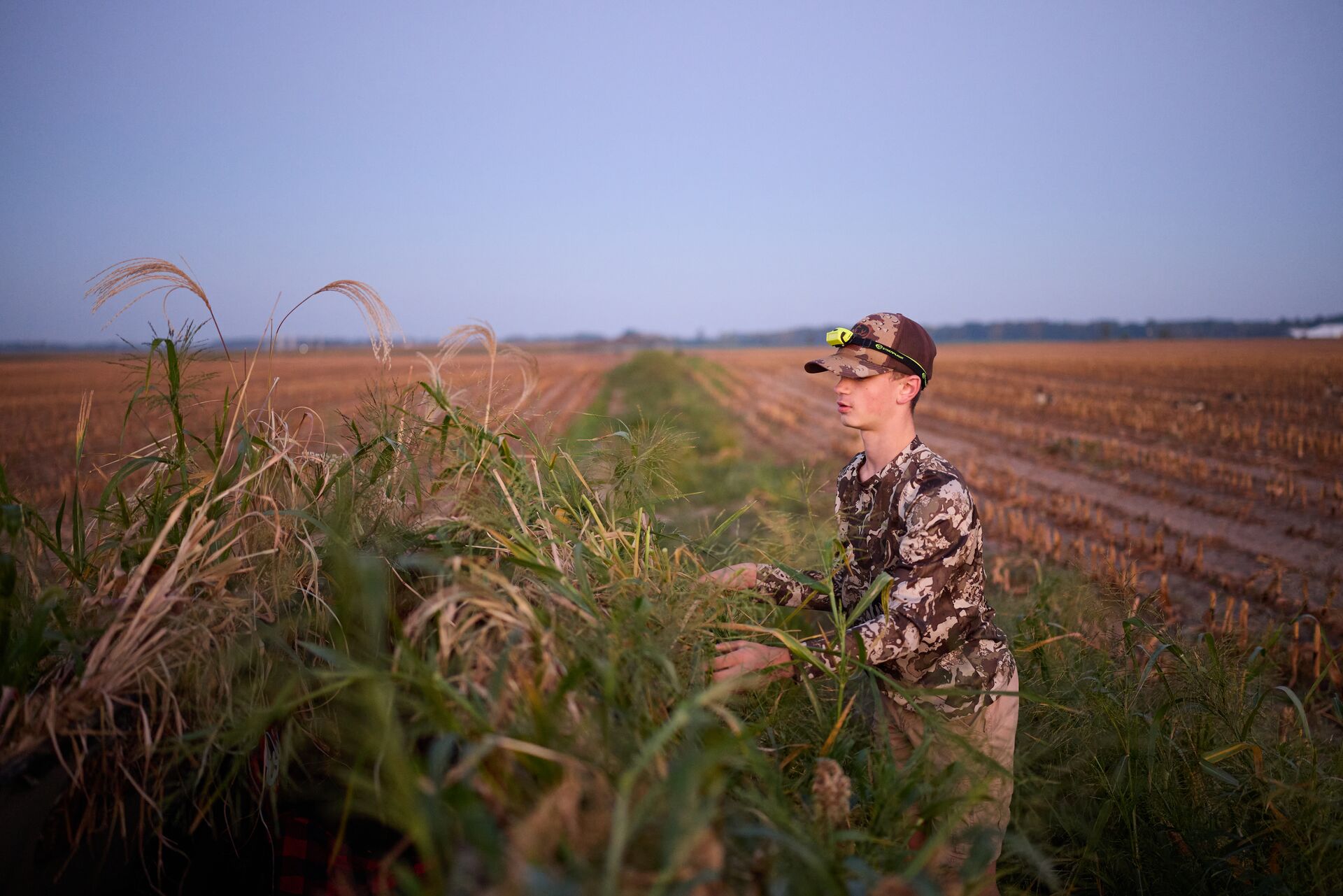
They're building the foundation of responsible hunting practices and traditions that can be passed down from generation to generation.
Finding Your State's Requirements
Since each state sets and modifies its own hunting rules regarding youth hunters, make sure to check with the appropriate agency that manages your state's fish and wildlife regulations.
The agency will have online resources and print booklets available in local sporting goods retailers that include information on the following:
- Age requirements for hunting
- Youth programs and events
- Details on special seasons and hunts for youth
- Current license and tag fees, as well as any available youth discounts
- Required hunter education courses and certifications
Make the time to research this information with your young hunter. This will help build excitement and teach the importance of preparation, especially since completing the hunter education course and getting a license is a time-consuming process.
The Youth Hunting Age is an Excellent Age to Start Hunting
Introducing new generations of young people to hunting is essential to preserving our sport's heritage.
With fewer hunters, state wildlife agencies are struggling to fund wildlife and habitat management projects vital to game animals' long-term sustainability. By introducing young people to hunting, you are helping create tomorrow's conservation leaders.
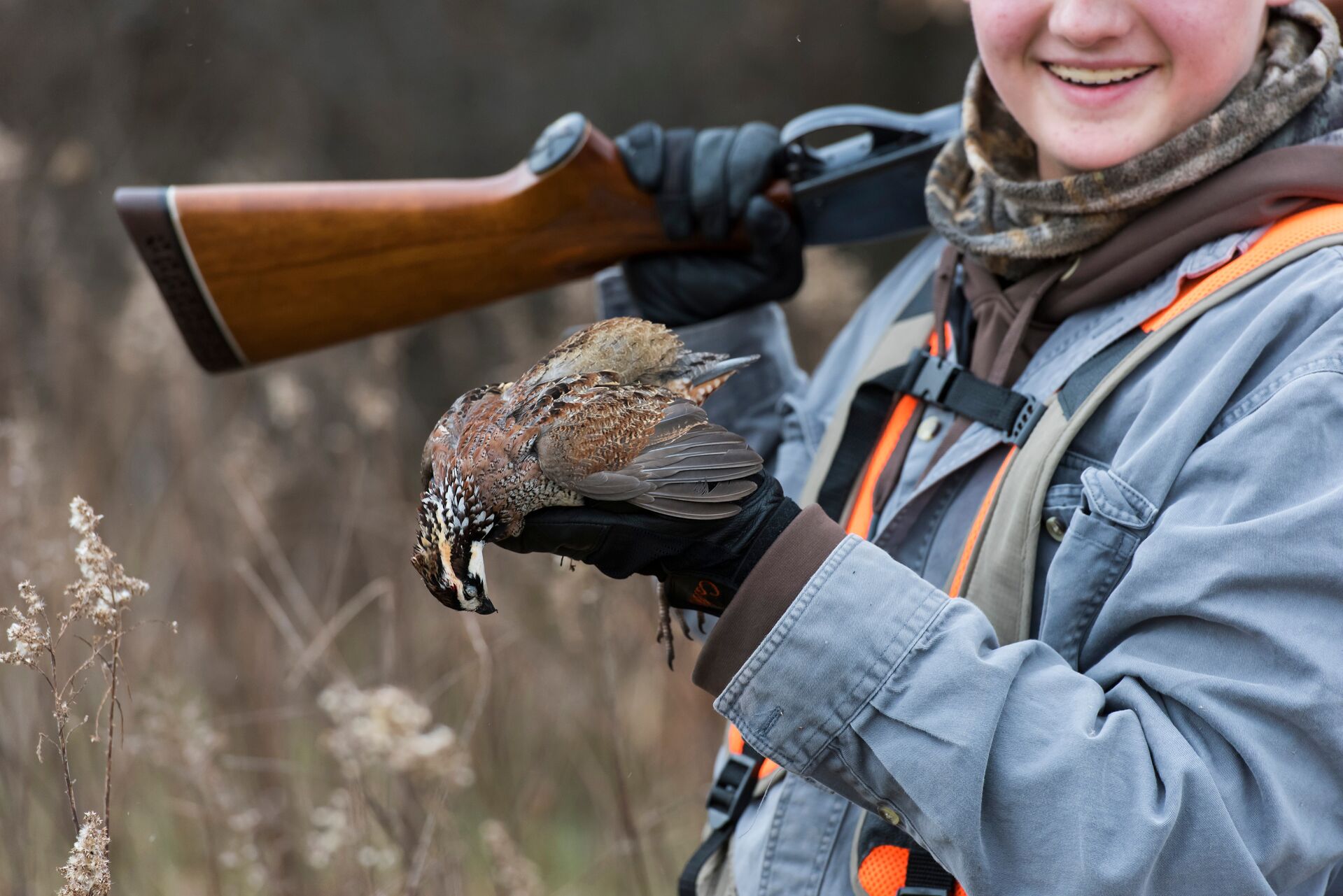
Help Young Hunters Learn to Stay Safe with Hunter Education
Set the stage for safe, ethical, and rewarding hunts by giving young hunters the tools and knowledge they need to carry on this proud tradition. Help them get their first hunting license by enrolling them in state-specific hunting education courses like those offered through the team here at ilearntohunt.
Our courses teach everything the states require, and the gamified format makes it ideal for young hunters to stay engaged, retain the information, and enjoy learning. Just make sure you and your young hunter also take an in-person or "field day" to complete your hunter education requirements, if necessary, for your state.
The youth hunting age is the best time to start learning! Get your young hunter ready for hunting season by choosing the course for your state.

Content most recently reviewed and updated July 22, 2026.
Frequently Asked Questions (FAQs)
Q: At what age do you need a hunting license?
A: Most states require a hunting license by age 16, though several set the age at 17 and a handful have no set minimum age at all. Many states exempt young hunters from the license requirement entirely as long as they hunt under the direct supervision of a licensed adult. Because the exact age varies by state, hunters should confirm the specific rule with their state's fish and wildlife agency before heading afield.
Q: Do children need hunter education before getting a youth hunting license?
A: In most states, yes. Hunter education is required once a child reaches a certain age, even for a youth or junior license. Some states allow younger children to hunt without certification first, as long as a licensed adult mentor accompanies them at all times. Once that mentorship exemption ends, usually somewhere between ages 10 and 16 depending on the state, the young hunter typically needs to complete hunter education before hunting independently.
Q: Can a 10-year-old hunt without hunter education?
A: In many states, a 10-year-old can hunt without completing hunter education first, as long as a licensed adult stays close enough to take immediate control of the firearm or bow. This kind of mentored or apprentice hunting lets younger children gain experience before they're ready for the classroom and field-day requirements. Some states set the mentorship age cutoff differently, so families should check their state's specific rules for supervised youth hunting.
Q: Is there an age limit for taking the hunter safety course?
A: Most states set a minimum age to enroll in hunter education, often somewhere between 9 and 12 years old, but there's typically no maximum age for taking the course. Younger children can usually still join a parent or guardian in the classroom portion even if they aren't yet old enough to be certified. There's no upper age limit, so teens and adults who missed hunter education earlier in life can still complete it whenever they're ready.
Q: Does hunter education need to be repeated each year?
A: No, hunter education certification is a one-time requirement that stays valid for life once completed. Hunters don't need to retake the course each season or each time they renew their hunting license. The certificate does need to be kept on file, since some states ask hunters to show proof of completion when purchasing a license or while in the field.
Q: Does a hunter education certificate transfer to a new state?
A: Yes, in nearly all cases a hunter education certificate earned in one state is honored in other states, since most states follow the same national standards set by the International Hunter Education Association. Hunters moving to a new state typically just need to add their existing certificate to their profile when they purchase a license there. It's still worth confirming with the new state's wildlife agency, since a small number of states may request additional documentation.
Q: What happens if a young hunter skips the hunter education requirement?
A: Hunting without meeting a state's hunter education requirement is illegal and can result in fines, confiscated equipment, or loss of hunting privileges. Even mentored or apprentice hunters who are temporarily exempt from certification must still follow strict supervision rules while they wait to complete the course. Completing hunter education protects young hunters and keeps families out of legal trouble during a season they've spent months preparing for.