What Is Hunter Education? (And Why You Need It Before You Can Hunt)
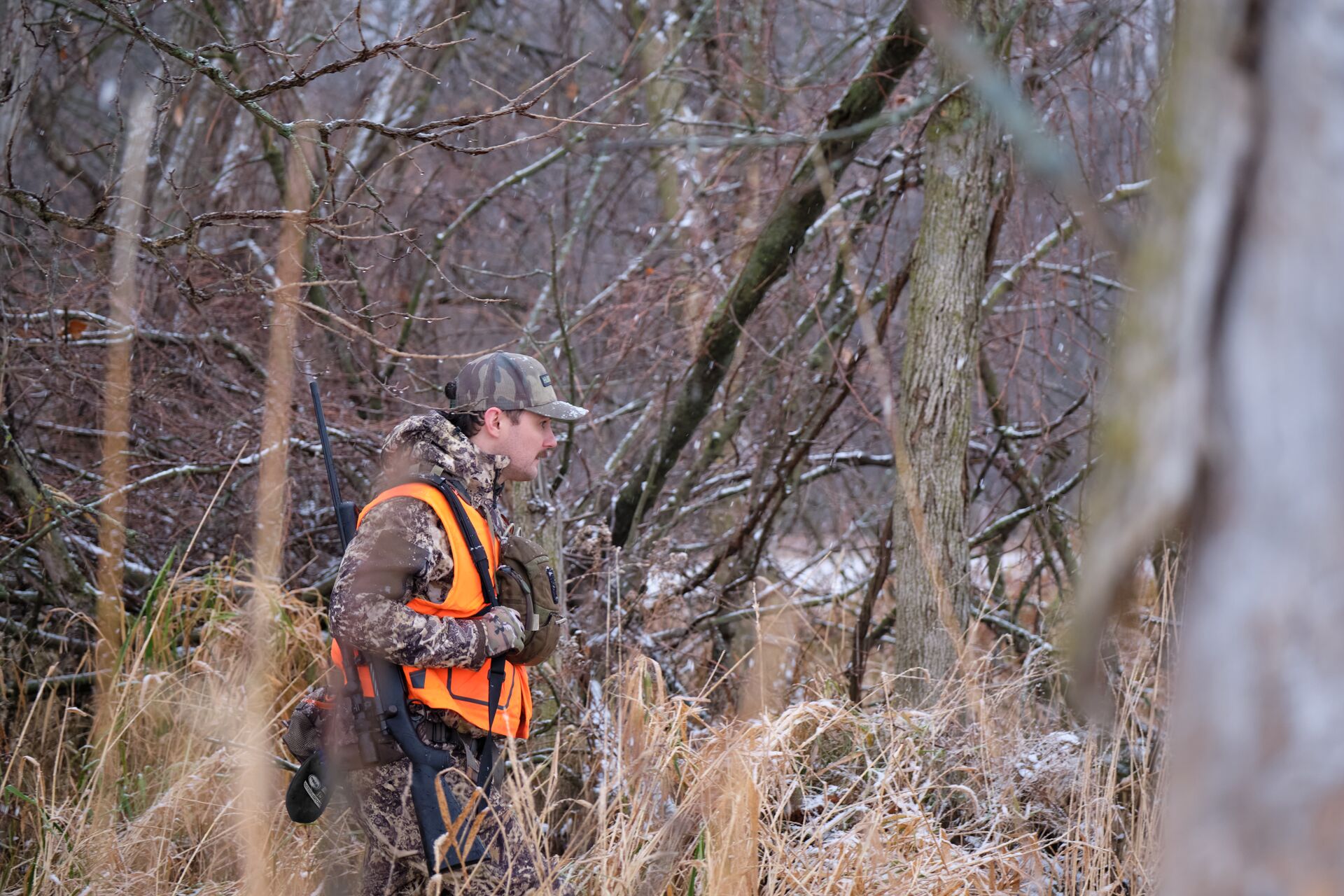
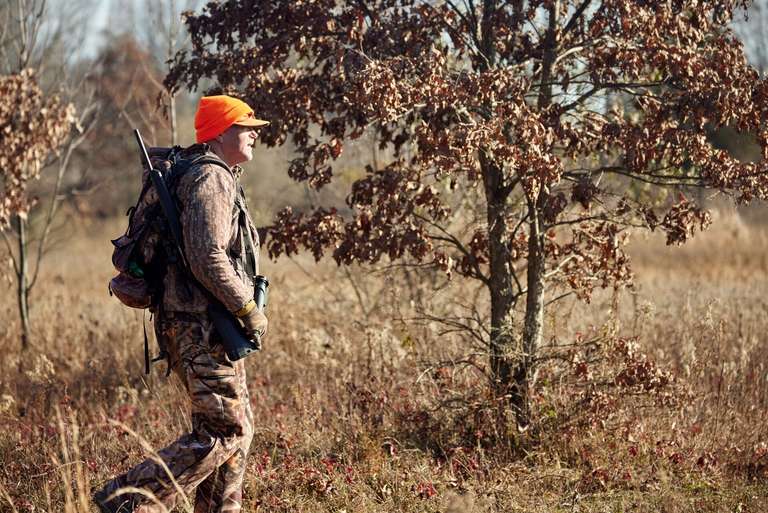
In a nutshell, hunter education is a state-approved certification program that teaches new hunters to hunt safely, ethically, and legally under state game laws. They cover firearm safety techniques, wildlife conservation principles, state and federal hunting regulations, basic fieldcraft, emergency preparation, and responsible decision-making during the hunt.
Most states require first-time hunters to complete a state-approved hunter education course (also called hunter safety) to purchase a hunting license. This requirement exists because it works. Since New York enacted the first hunter education requirement in 1949, hunter education has played an important role in safer hunting. As training became widespread, hunting-related injuries and fatalities substantially declined.
Today, most new hunters can complete their hunter education online with ilearntohunt which offers state-approved online courses in 31 states. These courses build ethical habits and use realistic, scenario-based lessons instead of passive reading alone. And all certifications are valid for life, so you don’t need to retake courses for every state you hunt in.
If you’re still asking, “What is hunter education?” take a closer look at hunter safety and hunter safety courses that meet a state’s requirements.
What Is Hunter Education?
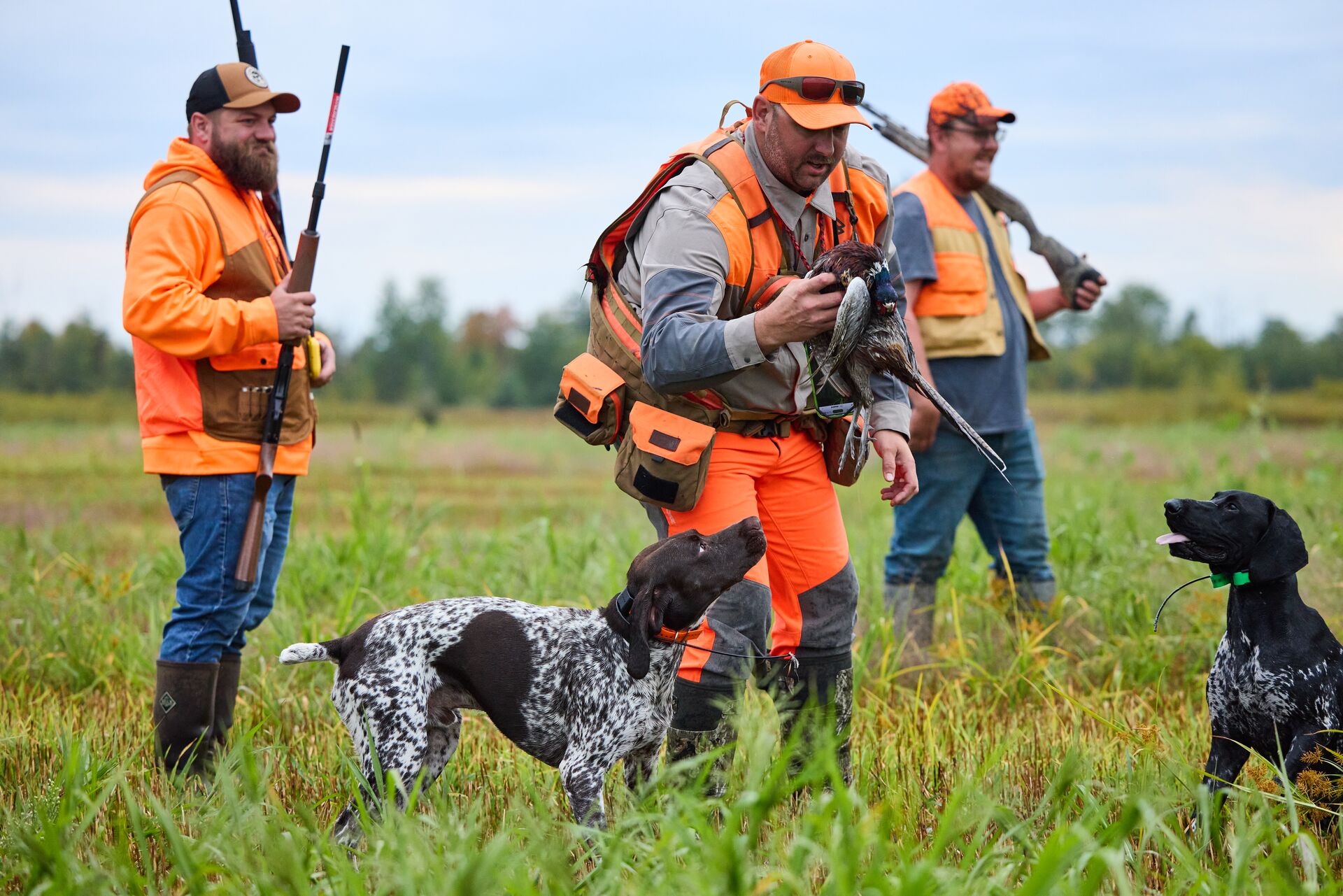
Hunter education commonly refers to the training and certification process that gives new hunters the critical knowledge they need before going into the field. While the terms “hunter education course” and “hunter safety course” are often used interchangeably, they cover the same curriculum.
The material goes beyond preventing firearm accidents and aims to develop a well-rounded hunter. Students learn about hunting ethics, conservation, wildlife identification, state and federal hunting laws, and emergency preparedness. Courses also cover other responsibilities and basic fieldcraft skills that come with hunting, harvesting, and processing.
This distinction answers another common question: What is hunter safety? Hunter safety is the foundation of hunter education because it drives nearly every decision made in the field. However, it’s only one component of a broader curriculum designed to prepare hunters to make responsible decisions before, during, and after the hunt.
That’s why most states tie hunter education completion to hunting license eligibility and why new hunters must meet those certification requirements to purchase a hunting or trapping license.
Why Hunter Education Exists
Hunter education exists because being a safe and ethical hunter is more than knowing how to operate a firearm or bow safely.
New hunters should know how to handle their equipment safely, prepare for emergencies, protect wildlife resources, and make legal and ethical decisions in the field.
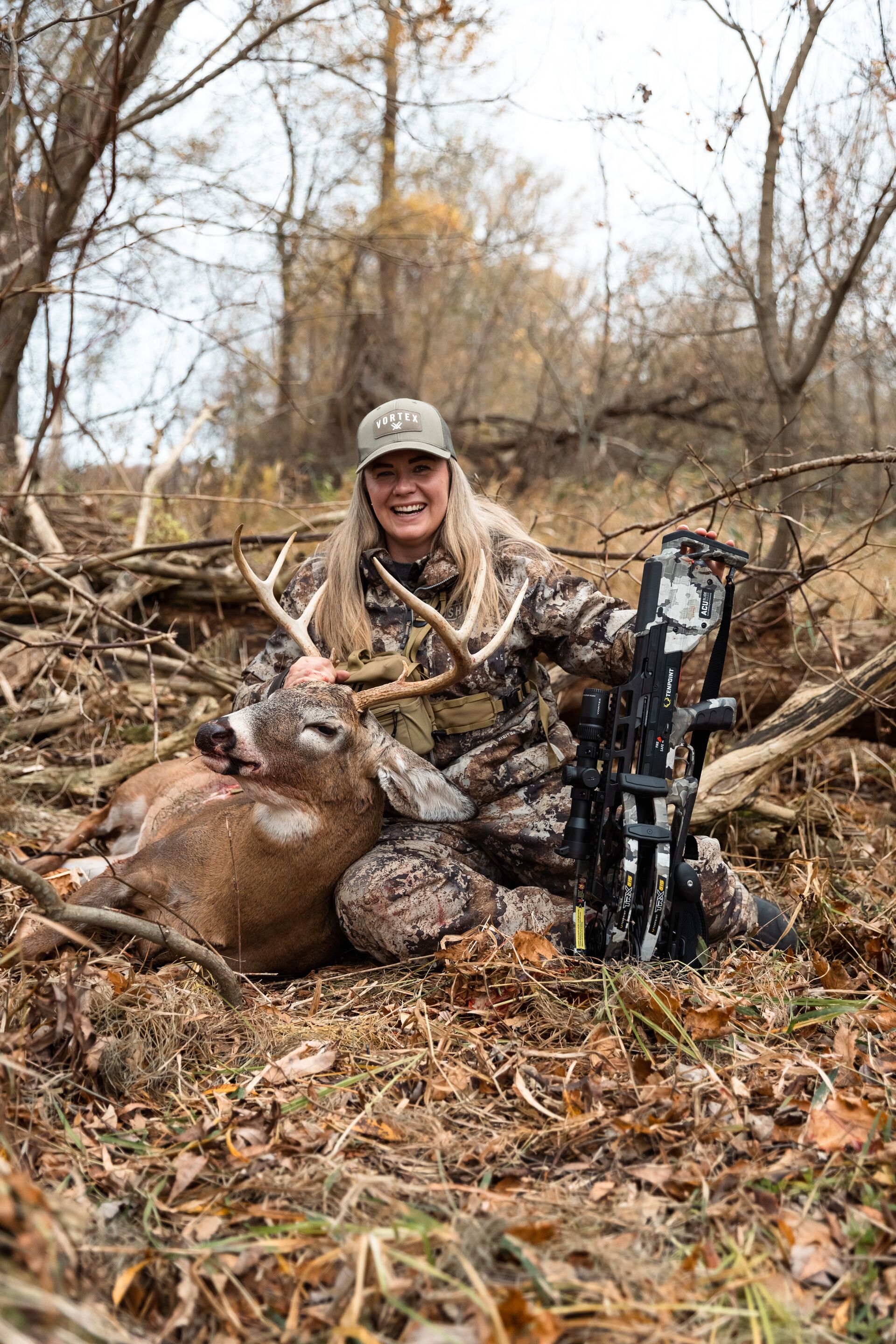
As hunter education has become a standard requirement throughout the U.S. over the past 50 years, hunting-related injuries and fatality rates have fallen. Equipment improvements and communications technology have also contributed to the decrease, but widespread safety training has helped generations of hunters learn and follow proper field practices.
Hunter education also helps fund wildlife management at the federal and local levels. Hunters pay excise taxes on firearms, ammunition, and select hunting equipment. These taxes support state wildlife programs, including hunter education, conservation programs, and habitat restoration efforts.
That’s why hunter education is critical to preparing the next generation of safe, responsible hunters who can become conservation stewards and advocates for generations to come.
What Hunter Education Covers
While each state sets its own hunter education requirements, the ilearntohunt curriculum focuses on a common set of skills and responsibilities to ensure every certified hunter has a practical foundation before hunting independently.
Most hunter education courses include the following topics:
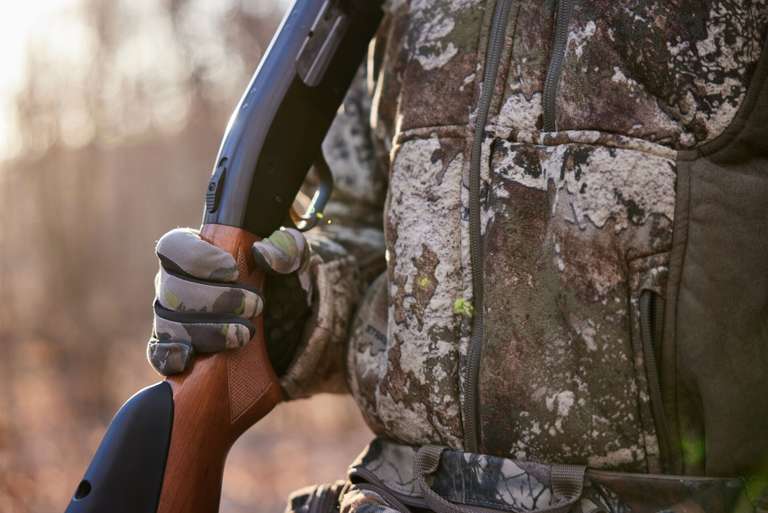
- Safe firearm handling and storage, including muzzle awareness, safe carrying methods, proper loading and unloading, and safe storage at home and while traveling.
- Ammunition identification and selection to help hunters match the cartridge to the weapon and hunting situation correctly.
- Hunting ethics and fair-chase standards that cover responsible shot selection, respect for wildlife, and consideration for landowners and other hunters.
- Wildlife identification and regulations to help hunters recognize legal game species and sexes, and know the state’s seasons, limits, and other hunting regulations.
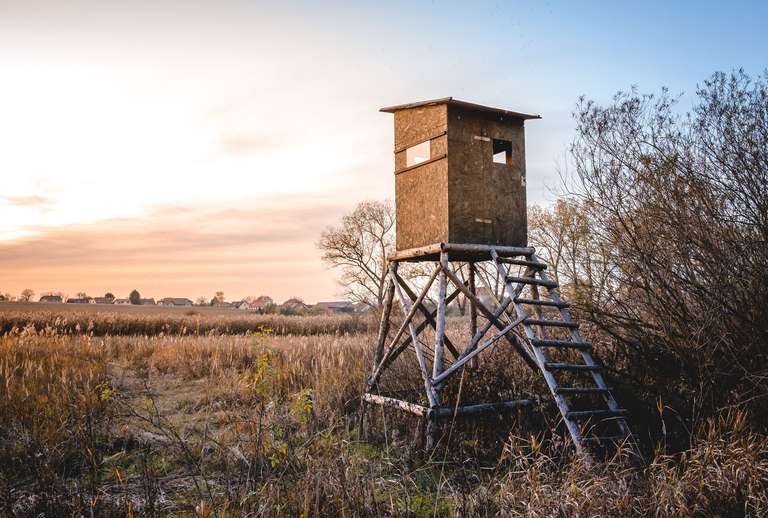
- Tree stand safety and fall-arrest systems, including safe climbing practices and proper use of harnesses, tethers, and life lines.
- First aid and survival basics to help hunters navigate safely, handle emergencies, improve communication, and effectively treat injuries in the field.
That wide range of topics is why hunter education certification adds value for new hunters and is much more than a basic gun safety class. After completing the course, students will have a complete set of building blocks to become safe, responsible hunters.

How to Complete Hunter Education Online
Online certification is often the best way to complete the required coursework if you need a flexible schedule. Instead of driving to an in-person class with a fixed schedule, online students can work through the material at their own pace from home.
Follow these six steps to find hunter education near you or complete your hunter education online:
- Check your state’s hunter education requirements. Visit your state wildlife agency’s website to see whether hunter education is required for your age and current licensing situation. Also check whether a field day is required.
- Confirm online availability for the course. Select your state on the ilearntohunt website to confirm an approved online course is available.
- Enroll in your state’s online course. If your state has an approved online course, register immediately and begin the interactive lessons. Set aside three to five hours to complete the course at a comfortable pace.
- Complete the course quizzes and final exam. You’ll take a quiz at the end of each module to show you understood the lesson, then a final exam once you complete all modules. Passing the final exam completes the online portion of your hunter education course.
- Attend a field day if your state requires it. Depending on your state, you can get your hunter education certificate after passing the final exam, or you may need to attend an additional in-person skills session, commonly referred to as a field day. If you need a field day, schedule it as soon as possible because you will not receive your certification until the field day is complete.
- Receive your hunter education certificate and purchase your license. Once you’ve met all state requirements, you can use your hunter education certificate to purchase the appropriate hunting or trapping license.
Once you’ve completed those six steps, you shouldn’t have to again. Hunter education certificates are typically valid for life.

Choosing the Right Course Format for Your State
You have options when choosing the right hunter education format. You can choose a traditional, in-person classroom, a fully online course, or a hybrid course that combines online with in-person requirements.
Hunter Education by Course Format | |||
Format | Who Offers It | Field Day Required | Typical Completion Time |
Fully online | ilearntohunt | No (state-dependent) | 3–6 hrs |
Hybrid: online + field day | ilearntohunt + state agency | Yes | 3–6 hrs online + 2–4 hrs field day |
In-person classroom | State wildlife agency | Yes (included) | 6–10+ hrs, scheduled over 1–2 days |
Always confirm your state’s hunter education requirements before signing up for a course. One state may allow certification after completing only the online course. Another may require the online course plus a field day.
Knowing your state’s regulations helps prevent surprises or delays when you earn your hunter education certificate and purchase a license.
Certification for Life: Reciprocity and Renewal
Fortunately, hunter education is generally a one-time requirement. After you complete the process, your hunter education certificate should be valid for life and doesn't need renewal.
You can also use your certificate to purchase non-resident hunting licenses in other states. Reciprocity agreements between states mean most states will recognize hunter education certificates issued by other states.
This certificate “portability” matters if you move to another state or purchase licenses and tags for out-of-state hunts. That said, check non-resident hunting regulations online for the states you want to hunt in. Age requirements, species-specific rules, and licensing procedures vary, and you don’t want last-minute surprises to derail your hunt.

What Is a Hunter Safety Course? Your First Step Toward a Lifetime of Safe Hunting
The first step to becoming a legal and responsible hunter is understanding what is hunter education. Don’t think of certification as an obstacle to getting your first hunting license. The certification process gives you a stronger foundation in critical hunting skills that can last a lifetime: weapons safety, conservation, emergency preparedness, field skills, and your state’s hunting regulations.
Once you’ve earned your hunter education certificate, you shouldn't have to repeat the course. The certificate is typically good for life and transfers to other states if you want to hunt outside your home state.
Before you plan your first hunt of the season, know your state’s hunter education requirements and pick a state-approved course format that fits your schedule and current time commitments. If you choose to go online, ilearntohunt courses are state-approved and give eligible students a flexible path to complete that critical first major step toward a lifetime of legal hunting.

Frequently Asked Questions (FAQs)
Q: What is the purpose of hunter education?
A: Hunter education prepares people to hunt safely, responsibly, and legally. Courses teach firearm and archery safety, hunting ethics, wildlife conservation, game laws, outdoor survival, and emergency preparedness.
Q: Who needs to take hunter education?
A: Requirements vary by state, but most states require certain new or first-time hunters to complete an approved hunter education course before purchasing or using a hunting license. Age and other exemptions differ by state, so check your state wildlife agency’s current requirements.
Q: How long does hunter education take?
A: The time varies by course format and state. The online portion of ilearntohunt can generally be completed in about three to five hours at a comfortable pace. If your state requires an in-person field day, you’ll need additional time to complete that requirement.
Q: Does hunter education certification expire?
A: Hunter education certification is generally a one-time requirement and is typically valid for life. However, requirements can vary by state, so keep your certificate information and check the regulations where you plan to hunt.
Q: What does hunter education cover?
A: Hunter education covers safe firearm and equipment handling, ammunition, hunting ethics and fair chase, wildlife identification, hunting regulations, tree stand safety, first aid, and survival skills. The exact curriculum varies by state.
Q: Is hunter education required in every state?
A: Most states have hunter education requirements, but they don't all apply to the same hunters. Requirements can depend on factors such as age, birth date, whether you're a first-time hunter, and the type of hunting you're doing. Check your state's requirements before taking a course.
Q: Can hunter education be completed entirely online?
A: In some states, yes. Other states require an in-person component, such as a field day, after the online coursework. Check your state's requirements to determine whether you can complete certification entirely online.