What Group Sets Hunting Regulations In Most States (and Why)?
As a newer hunter, you may be scratching your head while trying to make sense of your state's hunting regulations. Though hunting laws may seem overwhelming at first, understanding who creates these rules and why they matter is a vital part of being an informed, responsible hunter.
In general, state wildlife agencies set the rules for each state, in addition to federal regulations.
Thorough hunter education is about more than basic hunting skills and fieldcraft. Learning about hunting laws by state is critical to your development as a hunter and to the long-term success of hunting and wildlife conservation.
Here's what you need to know about who sets hunting regulations and why they are more important than you might realize.
What Group Sets Hunting Laws by State?
State wildlife agencies work within a government structure that combines scientific expertise, legislative oversight, and public input to create and maintain local hunting regulations.
Agency names vary by state. These agencies can include the Department of Natural Resources, the Fish & Wildlife Department, the Game & Fish Department, and the State Wildlife Commission.
To create and enforce regulations, these agencies rely on scientific research conducted by biologists and on observation and enforcement by conservation officers. Each role within an agency carries unique responsibilities.
For example:
- A wildlife biologist's role is to monitor animal populations, assess habitats, and analyze long-term harvest data to create season structures and bag limit recommendations.
- A conservation officer's responsibilities include enforcing state wildlife regulations and providing the agency with feedback from field observations.
Before finalizing rules for upcoming seasons, agencies also collect public input via town hall meetings, formal commenting periods, and surveys. Though the day-to-day management of wildlife and hunting is primarily the responsibility of each state's wildlife agency, state legislatures also have the power to craft policies that affect hunting laws.

Why Do We Have Hunting Regulations?
Hunting regulations exist to protect opportunity, not limit it, and unchecked hunting has often led to overharvesting and the elimination of species. Consider what happened to the American bison, turkeys, beaver, and elk populations before hunting regulations. These animal populations suffered and dwindled in numbers.
State hunting regulations emphasize conservation over preservation to:
- Prevent overharvesting and protect species from extinction
- Ensure ethical and fair-chase hunting standards
- Promote public and hunter safety and responsibility
- Balance society's needs with those of wildlife and natural habitats
- Conserve and enhance wildlife populations for future generations
With this science-based structure, hunting rules can provide stability and sustainability within an ecosystem.
Why Do Hunting Laws Change From Year to Year?
Hunting laws by state are updated each year to ensure sustainable harvests.
State wildlife biologists monitor various species throughout the year to assess habitat conditions, food availability, weather patterns, diseases, and predation pressure from humans and other animals. When considering regulatory adjustments, state agencies also evaluate new technologies and research, as well as public comments from hunters.
Responding to new threats and invasive species will also drive regulatory changes in a state. For example, as Chronic Wasting Disease (CWD) spreads throughout America's deer populations, new testing requirements and carcass transportation restrictions have been enacted.
As human development and agriculture reduce wildlife habitats and negatively affect carrying capacity, state agencies will continue to adjust regulations.
What's the Difference Between Federal and State Hunting Laws?
While you need to follow your state's hunting regulations, you must also be aware of federal hunting regulations (depending on the species and where you're hunting).
- State regulations typically cover hunting season dates, bag and possession limits, legal weapons and calibers, license and tag requirements, and rules on wearing hunter orange in the field.
- Federal regulations primarily apply to threatened and endangered species, wildlife importation and exportation, hunting on federal land, and hunting migratory birds such as waterfowl.
Both federal and state agencies regulate firearms ownership and use, and states set minimum age and licensing requirements for hunters. States can impose stricter regulations than the federal government, but not less stringent ones. For example, if federal regulations call for a 107-day duck season, states can choose a 106-day season—not an 108-day one.
As a hunter, you are responsible for knowing and following federal and state regulations. If there are conflicting rules, follow the more restrictive standard. Having a dual regulation system ensures consistent protection policies for animals that cross state boundaries while still enabling a state to adapt and manage based on local conditions.
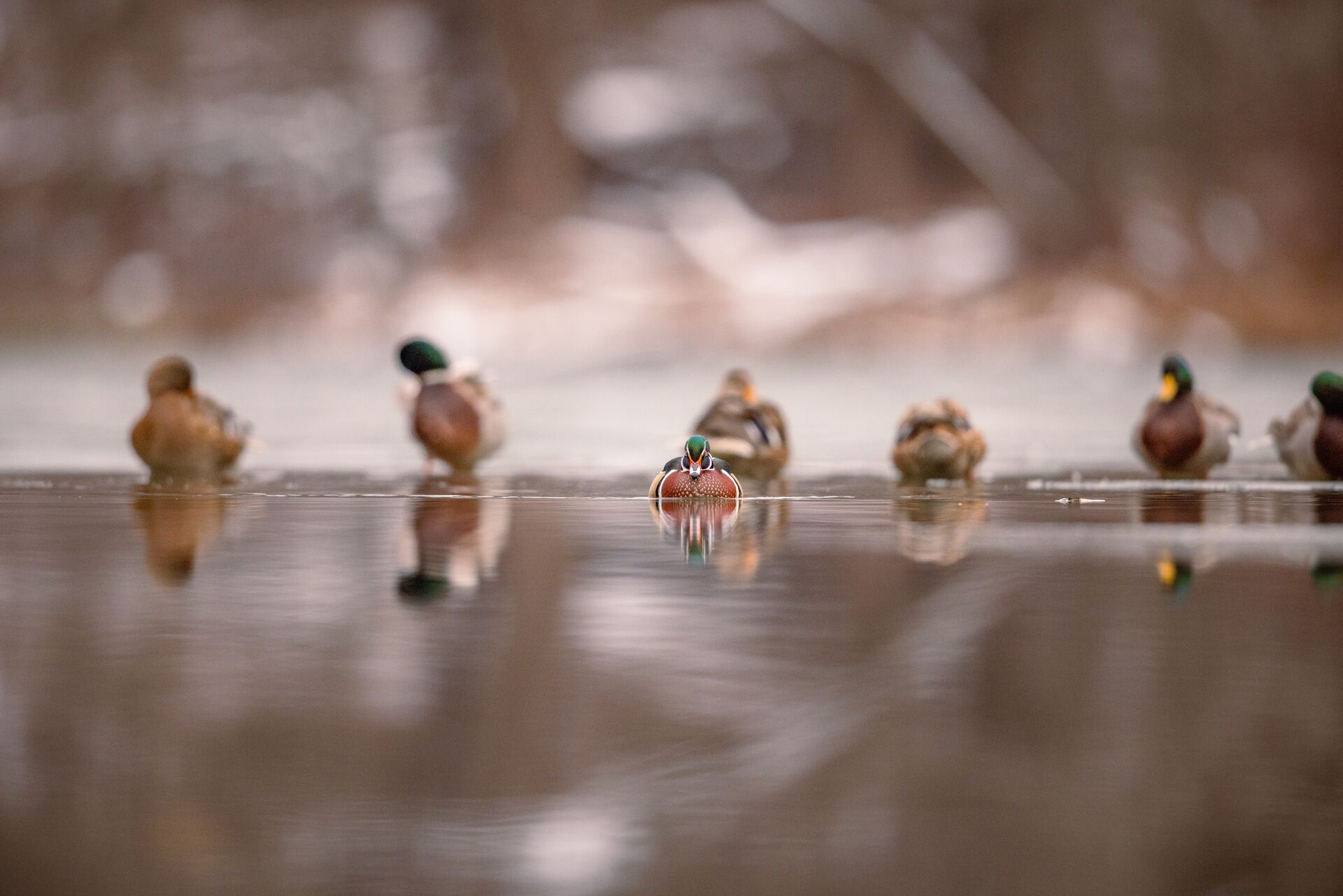
How Do Hunting Regulations Protect Wildlife?
A system of interconnected federal and local regulations creates a strategic environment for effective conservation practices.
These rules benefit wildlife and hunters by:
- Prohibiting hunting during the breeding season and early stages of an animal's development
- Setting bag and possession limits for each species to prevent negative population impacts
- Regulating weapons, equipment, and methods for sustainable and long-term harvests
- Preserving habitat health through population size
- Reducing clashes between humans and wildlife, such as crop damage and vehicle collisions
- Balancing ecosystems by supporting biodiversity and controlling the number of tags issued for various units or regions
These strategies do not work in isolation. Interconnected federal and state regulations are necessary for successful outcomes. As an ethical hunter, you are an active participant in this science-based conservation model that has protected wildlife and enhanced hunting opportunities for more than a century.
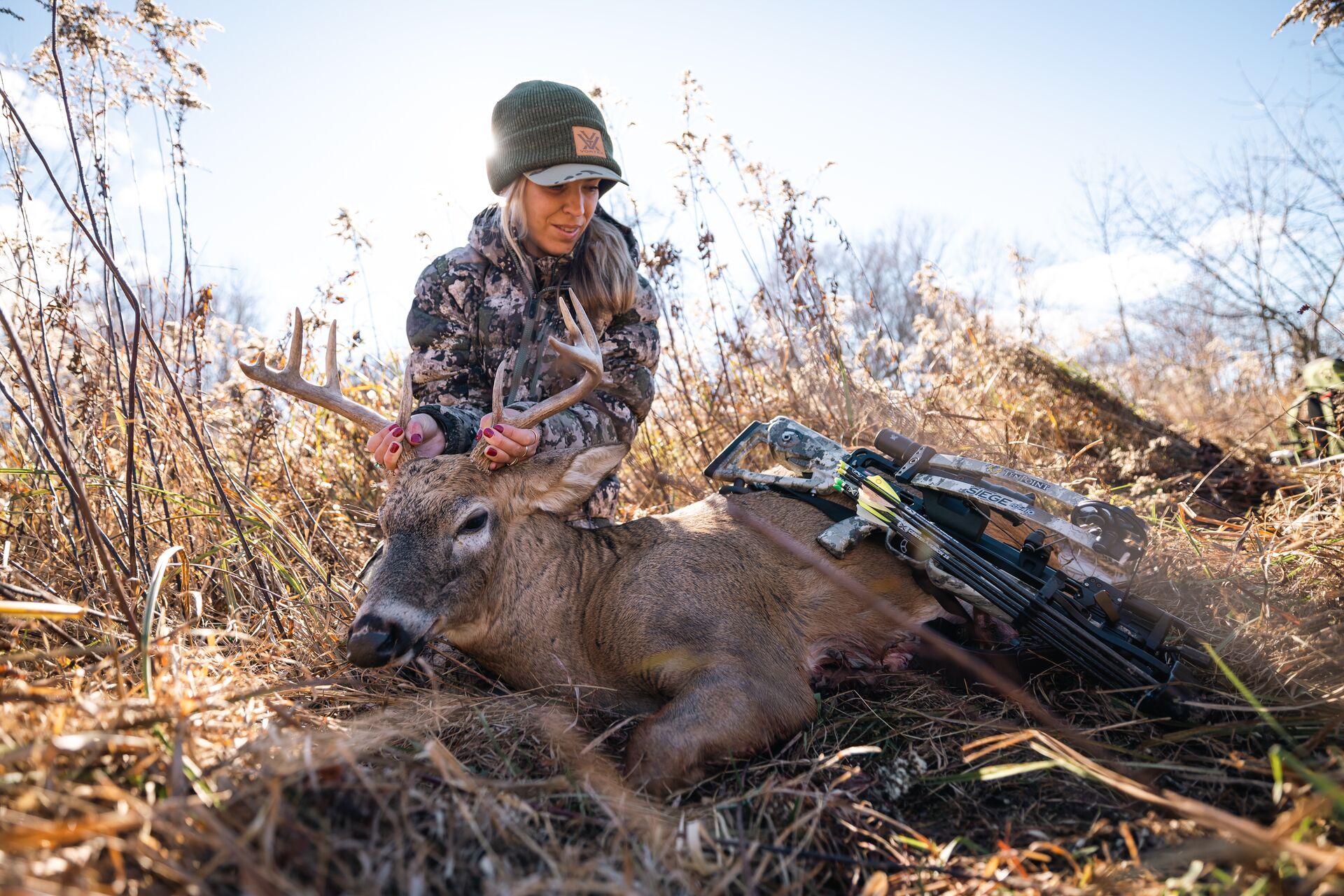
Become Part of the Conservation Solution with Hunter Education
Knowing what group sets hunting regulations in most states (and having a better understanding of game regulations at both the state and federal levels) makes you more than a rule-follower. This knowledge provides a solid foundation for ethical hunting and sustainable wildlife management, benefiting future generations.
You can become a more informed participant in this process by completing a hunter safety course through ilearntohunt! Each state-specific course will help you better understand the legal and scientific framework of hunting regulations, as well as learn the practical skills and safety protocols that define today's skilled, law-abiding hunter.
Plus, most states require hunters to pass a hunter safety course before getting a hunting license or hunting. So, as you think ahead to your next hunting season, make sure you've met your state's requirements for hunter education. ilearntohunt makes it easy to get started!

Frequently Asked Questions (FAQs)
We have answers to common questions about who sets hunting regulations.