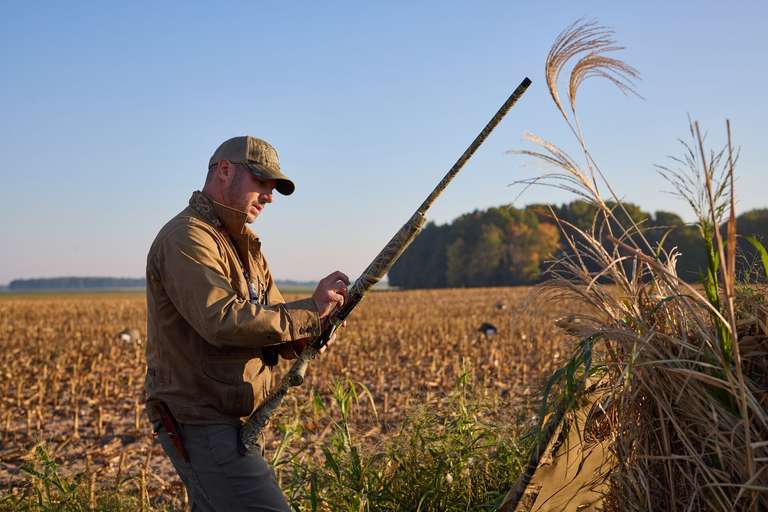
Online Hunter Safety Course vs In-Person: Which One Should You Take?
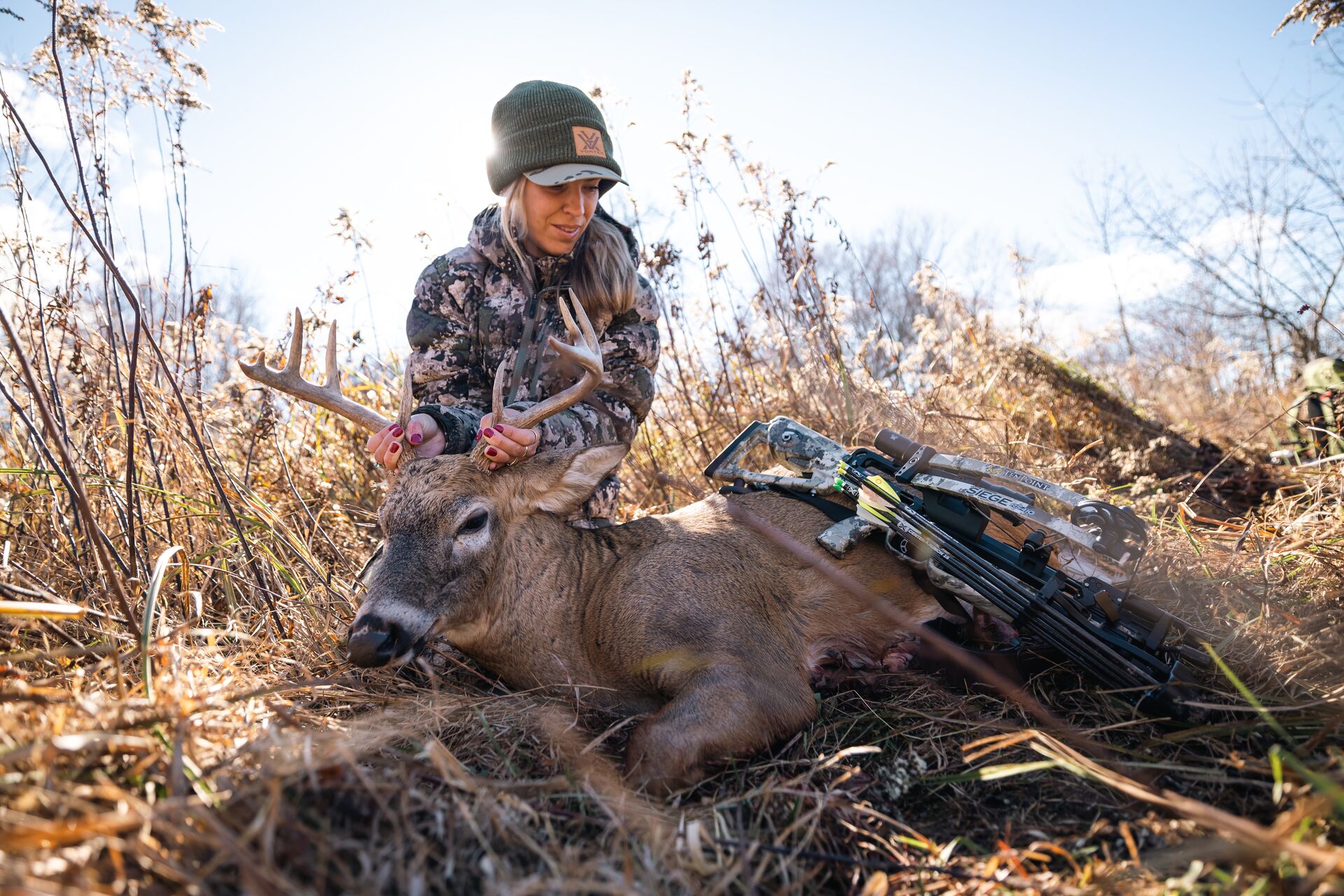
Whether you take a hunters education course online or in person, the outcome is the same. Each format is state-approved, and completion allows you to purchase a hunting license.
The best course option for you depends on your learning style and which format fits your schedule and existing time commitments. In a nutshell, an online hunter education course offers the most flexibility by letting you study at your own pace, without a set classroom schedule, and in any location with internet access and a mobile phone, tablet, or computer.
Many online courses take six to eight hours to complete, plus a mandatory in-person field day (if required by your state) before you can earn a hunter education certificate.
A traditional classroom course follows a set schedule at a fixed location but offers hands-on demonstrations and one-on-one interaction with an instructor. These courses run for between six and 10 hours across one or more sessions and may not require an in-person field day.
Before enrolling in a course, check your state’s hunter education requirements. Then, follow this guide to understand how each format works.
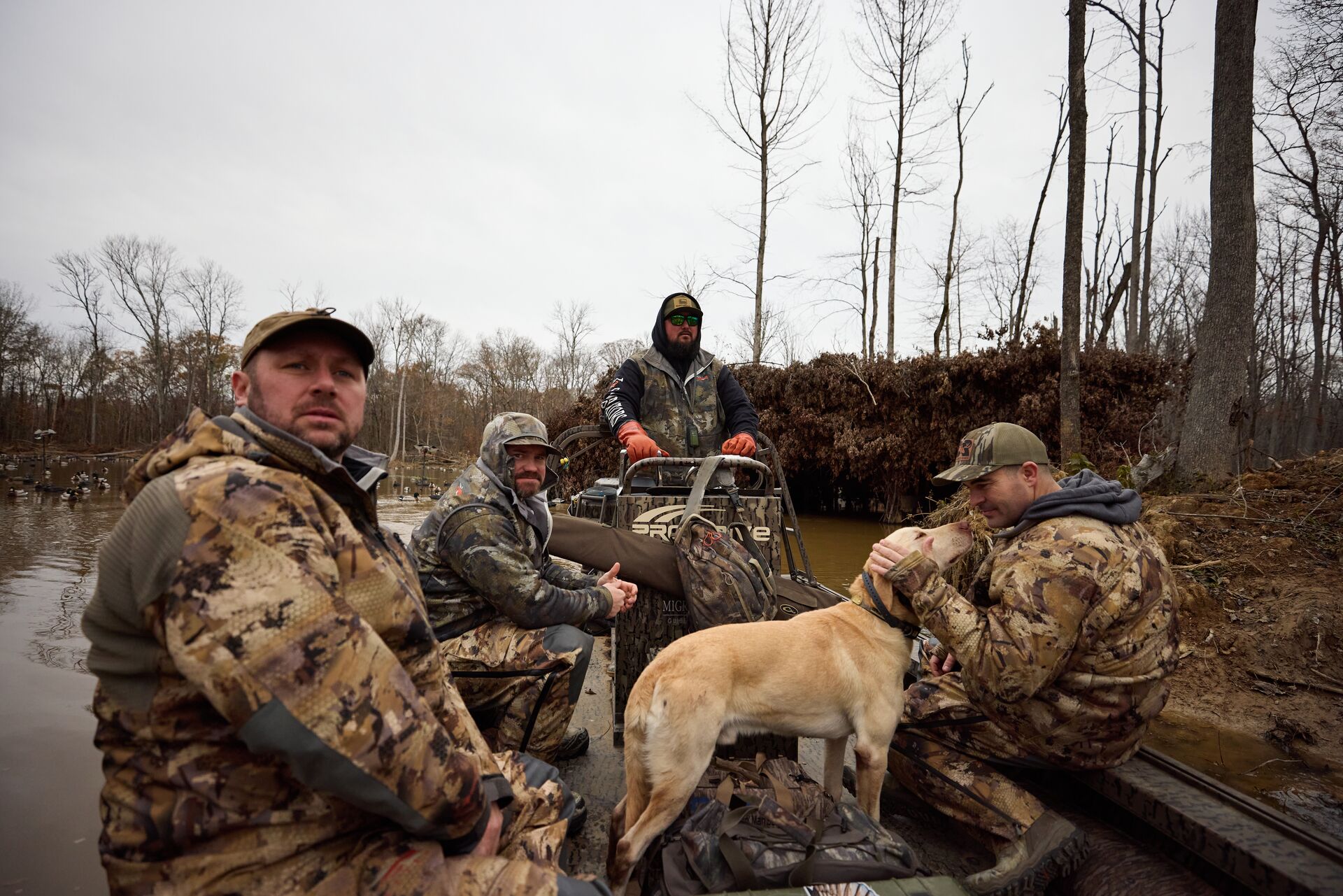
What's the Difference Between Online and In-Person Hunter Safety Courses?
Both the hunters education course online and in-class versions will give you a hunter safety certification upon completion. Each covers firearms safety, wildlife conservation, hunting ethics, basic first aid, and your state’s hunting regulations. The primary difference between the two formats is in how the information is presented.
- Certified volunteer instructors typically teach the in-person courses in a classroom or meeting space. Some states even utilize local shooting ranges. The course follows a strict schedule but allows you to ask questions in real time and watch and participate in hands-on demonstrations.
- Online courses provide the same information through a website or app that you can access on your phone or tablet. You’ll be able to log in and out of each session, study from different devices, and complete the material at your own pace from the comfort of your home. Many busy youth and adults see this type of flexibility as the primary benefit of online learning.
Many states also combine classroom and online formats. Students complete the educational portion online before attending a short field day to apply what they learned and demonstrate their ability to handle firearms safely.
The certificate you’ll receive from an in-person course and an online course is the same. One is not more valid than the other. However, the key point is that your state’s wildlife agency must have approved any course you take.
Fortunately, most states have reciprocity agreements through IHEA-USA, so other states should recognize the hunter education certification you receive in your state.
Online vs. In-Person Hunter Education | ||
Factor | Online | In-Person |
| Scheduling | Anytime | Fixed dates |
| Location | Any device | Classroom or range |
| Avg. Time | 6–8 hrs, self-paced | 6–10 hrs, structured |
| Field day | Required in some states | Typically included |
| Cost | Varies by state/provider | Often free or low-cost |
| Best For | Flexible learners | Hands-on learners |

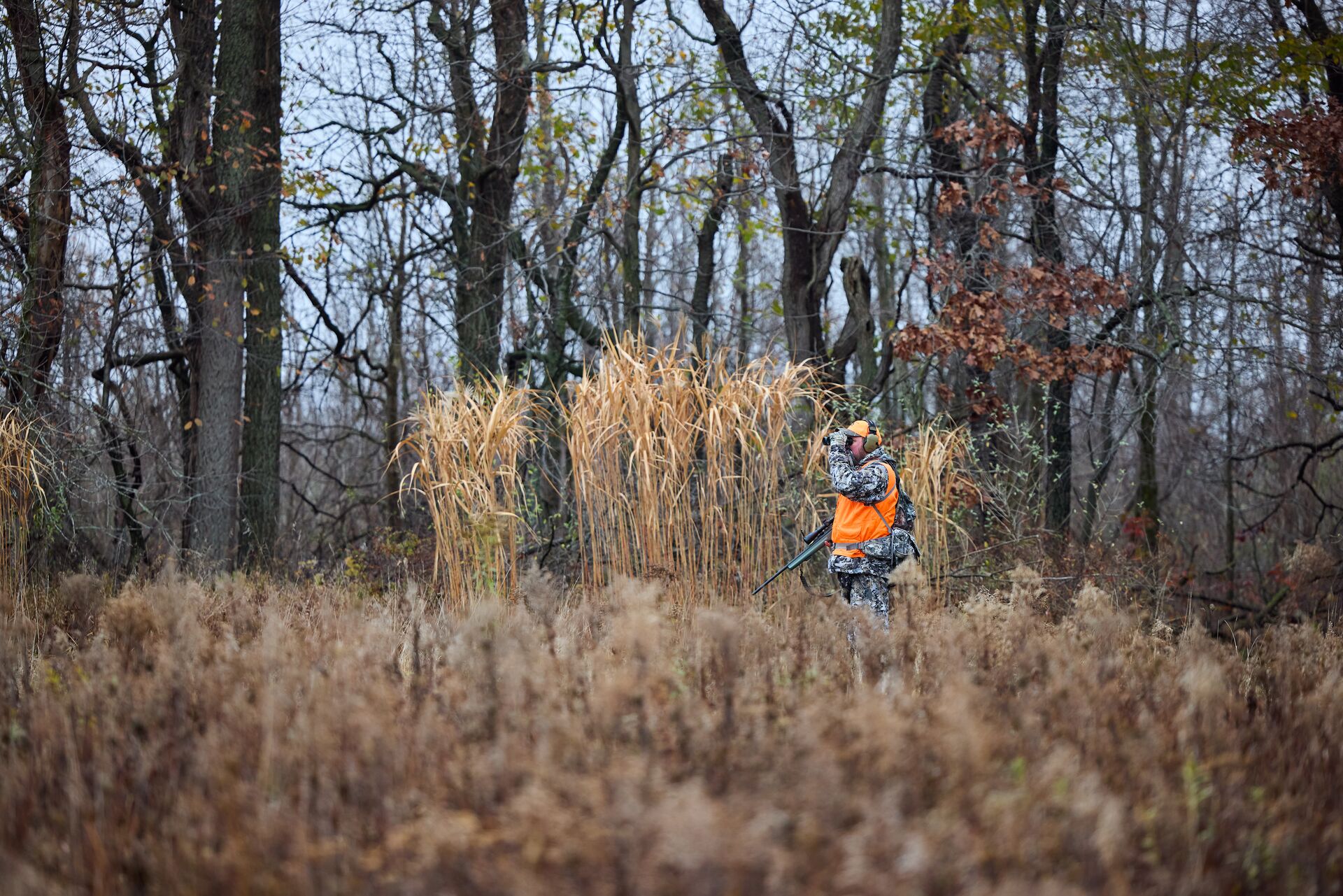
How to Decide Which Hunter Safety Course Format Is Right for You
Since each course format still provides a hunter education certificate upon completion, deciding which format is best for you is a matter of personal preference. Consider the following questions in your decision-making process.
- Step 1: Decide whether you prefer online study or structured classroom time. Choose an online course if you enjoy working independently and on a flexible schedule that can fit around your other commitments. Choose a classroom setting if you prefer in-person instruction and group discussions.
- Step 2: Check your state’s rules about online classes and mandatory field days. Some states require a field day for all online students, and others require it only for students under a certain age.
- Step 3: If you’re studying in a classroom, find course dates near you. If you want to take the in-person course, check the schedule for openings near you and register as soon as possible. The closer you get to hunting season, the faster the courses will fill up.
- Step 4: If you’re studying online, register for your online course through ilearntohunt. If you’re having a hard time committing a full day or weekend to a class, consider the online format instead.
- Step 5: Complete your course and final exam. No matter which format you choose, you’ll need to finish the course and pass a final exam. You may have to attend a field day after the exam. Also, be sure to save your certification as proof of completion.
Even though course length shouldn’t be a deciding factor, you should know that most online courses take six to eight hours to complete, and many ilearntohunt students finish in three hours or less.
With ilearntohunt, you can create an account, learn at your own pace, and begin without waiting for a class date or traveling to a classroom. Your only scheduled date will be your field day (if required).
Then, think of the course certificate like a driver's license as you first learn to drive. If you’re just starting to hunt, you’ll still need to continually practice your fieldcraft, marksmanship, and overall hunting skills to stay effective and ethical every season.
What Happens During an In-Person Hunter Safety Course?
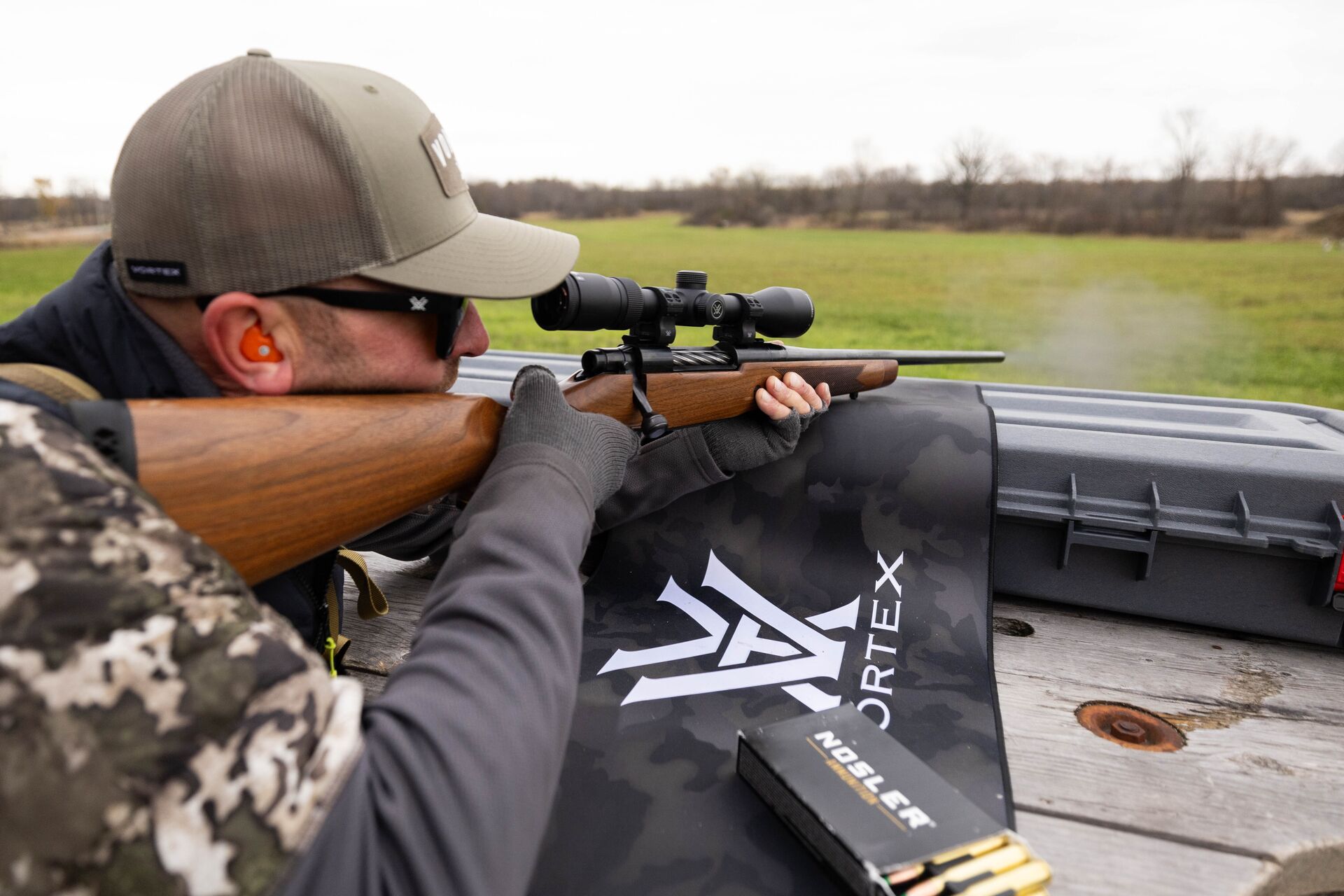
If you choose to take your hunter education course in a traditional classroom setting, you can expect a mix of instruction, practical exercises, group discussion, and a final exam. You’ll spend between six and 10 hours in class, divided among several sessions or combined into one long day.
Certified volunteer instructors teach the class and can answer student questions as they arise. The instructors will often demonstrate how to load, unload, store, and carry firearms as well as present hunting scenarios to help students decide the best course of action.
The in-person course may also include live-fire and field exercises based on the available facilities. This part of the course is designed to help students apply universal firearms and hunting safety principles under direct supervision.
In-person courses are the preferred platform for younger students, families who want to share the learning experience, or anyone who prefers one-on-one feedback.
What Happens During a Hunters Education Course Online?
If you choose to take your hunters education course online, you’ll learn the same safety, basic fieldcraft, state regulations, and conservation topics as the in-person course. The primary difference is that you are completely in charge of when and where you complete the lessons.
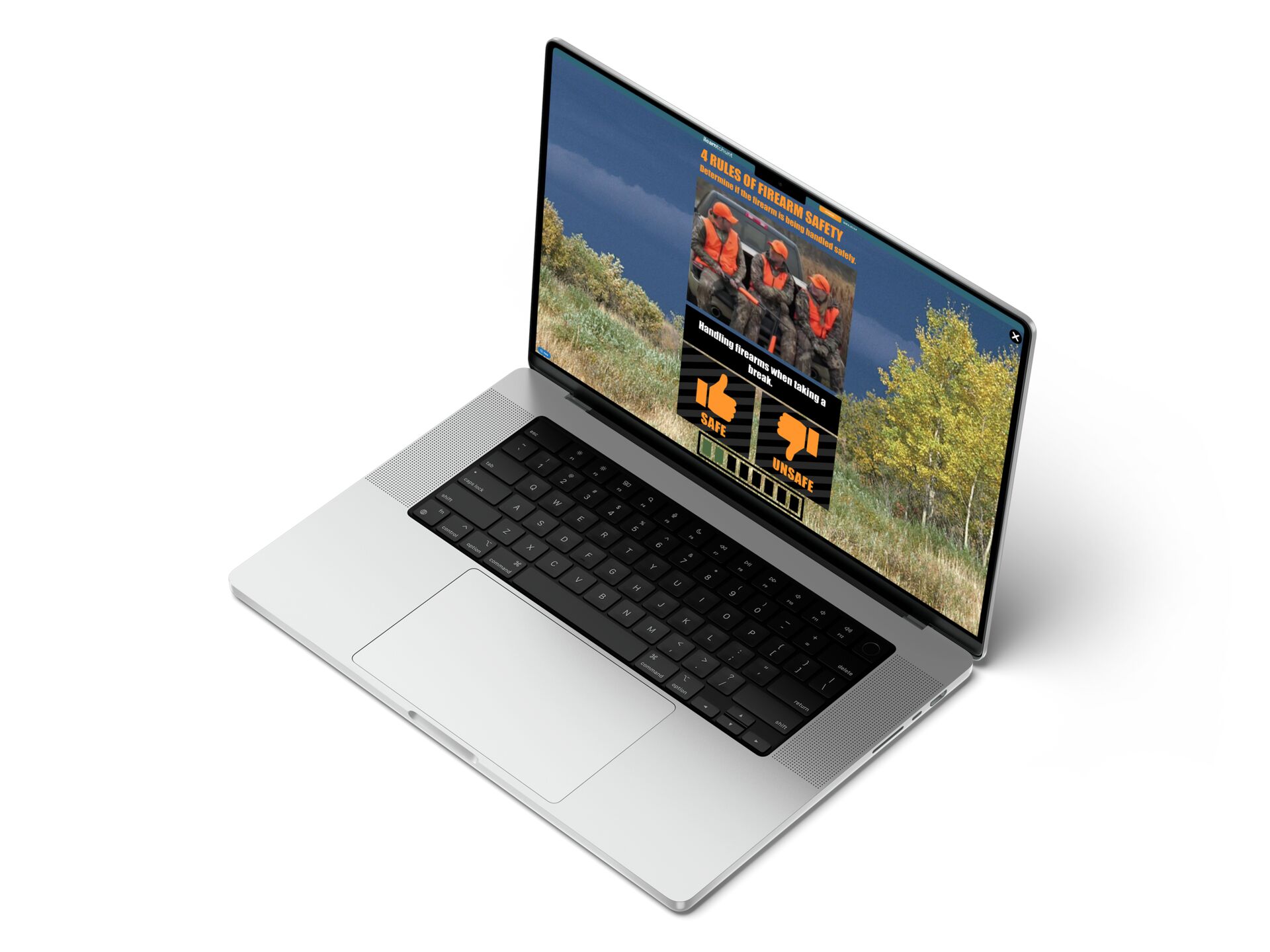
- Students in a state-approved ilearntohunt course, for example, can use their mobile phone, computer, or tablet as a virtual classroom.
- You can start and stop as needed and conveniently return to a module without losing your progress.
- Plus, each course uses a gamified, character-driven format to present realistic role-playing scenarios and quizzes instead of a passive text-and-read style.
This type of approach lets you practice making critical decisions involving firearm handling, wildlife identification, ethics, and state regulations. The online format also allows you time to review a topic as many times as you’d like before advancing to the next lesson.
Taking a hunter education course online has expanded access for those who live far from in-person classroom sites or cannot attend scheduled classes. However, you will still need to schedule the hands-on field day if required by your state.
Once you’ve passed the online course’s final exam, you can print or download your hunter education certificate or field day voucher.
Do Online and In-Person Hunter Safety Courses Cost the Same?
The in-person courses offered by state wildlife agencies are typically free or low-cost. However, you may have to pay an administrative or facility fee depending on the location of the class.
Online courses do have a cost that will vary by state and provider. You should always confirm the price of an online course and that your state approves it before enrolling. Remember that a low-priced course is money wasted rather than invested if your state doesn’t accept the course certificate or the format is too difficult to complete.
Although an in-person course may not have a tangible cost, you'll have to weigh the intangible costs of commuting and the possibility of fewer openings that could affect your hunting plans. Online students often have to pay for the class but benefit from immediate enrollment and self-paced instruction that fits their schedules.
The Best Hunter Safety Course Is the One You'll Actually Finish
As long as you complete all of the steps and the course is approved by your state’s wildlife agency, both online and in-person hunter safety courses lead to the same certification that you can use to buy a hunting license, preferably before the season starts.
If you opt for the in-person classroom format, register early, as classes tend to fill up quickly. If you need more flexibility, self-paced study, and the possibility of finishing in three hours or less, enroll in an ilearntohunt course for your state.
If you take an online course and you are not required to register for a field day, you can print your certificate immediately after passing the exam and purchase a hunting license within minutes.
Don’t miss the next hunting season because you can’t decide which class format works best for you. Pick the one that will give you the most flexibility and the best chance of success.

Frequently Asked Questions (FAQs)
Q: Is an online hunter safety course as good as an in-person one?
A: Yes. As long as the course is approved by your state's wildlife agency, online and in-person hunter safety courses cover the same core topics and lead to the same hunter education certification. The main difference is how you learn, not the value of the certificate.
Q: Which hunter safety course format is faster?
A: It depends. Online courses let you work at your own pace, so many students finish sooner than they would in a scheduled classroom course. Keep in mind that some states also require an in-person field day before you can receive your certification.
Q: Do online and in-person hunter safety courses cost the same?
A: Not always. Classroom courses are often free or low-cost, while online courses typically charge a fee that varies by state and provider. Always verify that the course is approved by your state before enrolling.
Q: Can a teenager take the hunter safety course online?
A: In many states, yes. However, some states require younger students to complete an in-person field day or meet a minimum age requirement before taking the online course. Check your state's hunter education rules for the specific requirements.
Q: What if I start the online course and want to switch to in-person?
A: That depends on your state's hunter education program. In many cases, online and classroom courses are separate programs, so you may need to start over if you switch. Check with your state's wildlife agency before changing formats.
Q: Does my hunter education certification work if I hunt in a different state?
A: Usually. Most states recognize hunter education certificates issued by other states through reciprocal agreements. Even so, you'll still need to follow the hunting license and hunting regulations for the state where you plan to hunt.
Q: Do I need to take a hunter safety course if I've been hunting for years?
A: Maybe. Many states require hunter education based on your date of birth rather than your hunting experience. Even experienced hunters may need to complete an approved course before buying a license if they haven't already earned a hunter education certificate.
Q: What is a field day, and do I need one?
A: A field day is an in-person session where students demonstrate safe firearm handling and apply what they learned in the course. Not every state requires one. Whether you need a field day depends on your state's rules and, in some cases, your age or the type of course you complete.