What Might Cause a Shotgun to Explode? (And How to Avoid It)
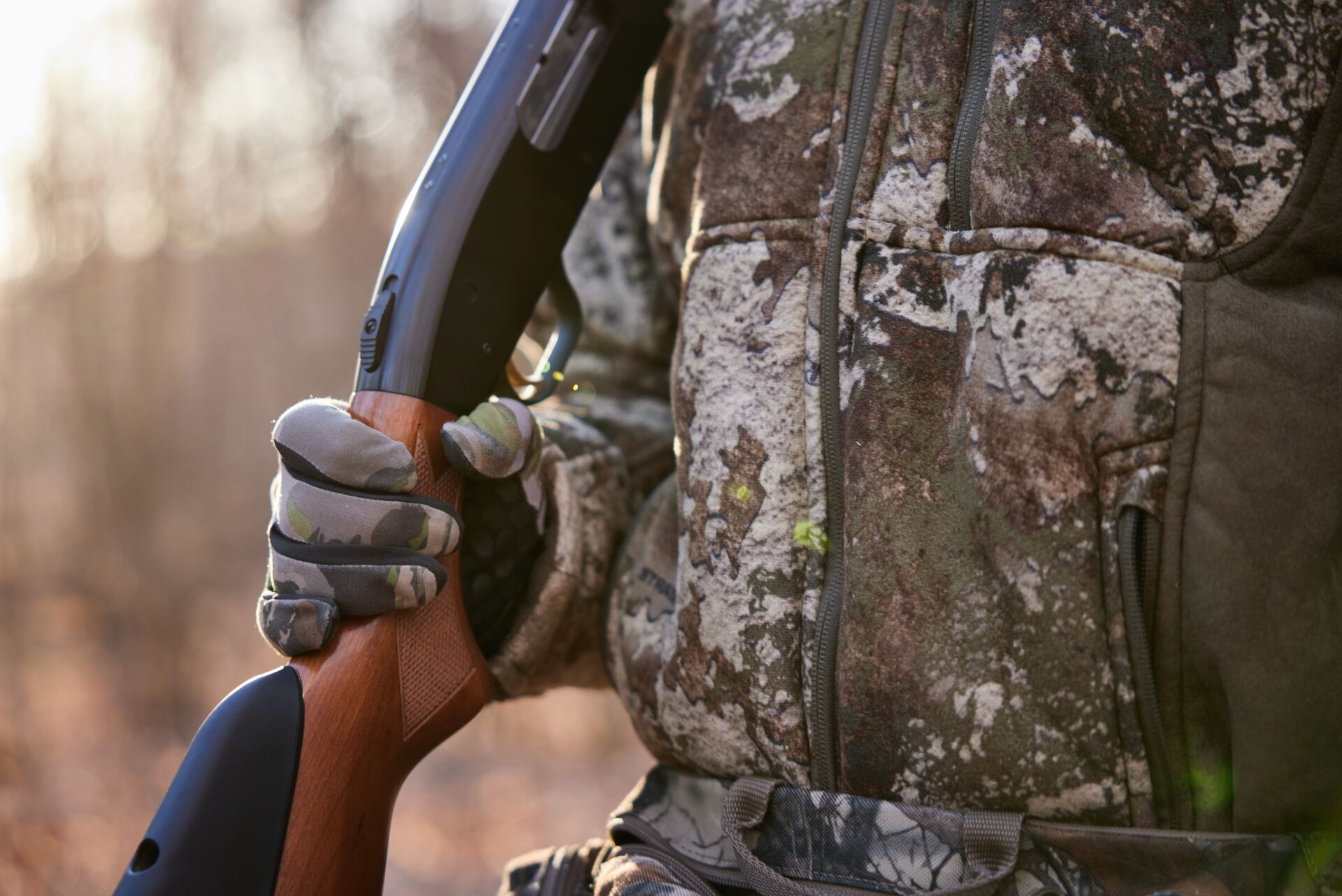
A shotgun may explode due to a catastrophic, high-pressure failure, most commonly caused by a barrel obstruction (mud, snow, or a stuck "squib" wad/shot), using incorrect ammunition (e.g., 12-gauge in a 20-gauge gun), or overloaded/improperly reloaded shells. These issues cause pressure to exceed the barrel's strength.
Understanding the potential dangers of improper shotgun use is crucial for every hunter. Safety isn't just about avoiding accidents—it's about respecting the power of your firearm and ensuring that every shot is taken with the utmost care.
So, what are the dangers of using a shotgun the wrong way, either while practicing your shooting skills or while in the field for a hunt? Today, we talk about what might cause a shotgun to explode and how to avoid it to keep everyone safe in the field.

What are the Common Causes of Shotgun Explosions?
First, let's look at how it could happen in the first place. Again, potential causes of a shotgun explosion fall into five different categories: barrel obstructions, ammunition issues, improper maintenance, mechanical failures, and environmental issues.
1. Barrel Obstructions
Anything in the barrel of your shotgun that isn't supposed to be there could cause an explosion when you pull the trigger.
Debris Blockage
Imagine you're in the woods, chasing critters, when a tiny bit of dirt or a forgotten cleaning patch jams up your shotgun's barrel. This debris can create a deadly blockage, making your hunt hazardous.
Always check your barrel before and after each use to ensure it's clear.
Snow or Ice
Hunting in snowy conditions adds an extra layer of risk. If your barrel dips into the snow, it can pack in ice or snow, causing a blockage.
Always inspect your shotgun after any fall or if you've been moving through deep snow. Shotguns are generally much easier to deal with than rifles in these cases. A shotgun barrel can generally be removed to clean, and it's usually a bigger overall diameter to work with than a quarter-inch or smaller diameter rifle barrel.

2. Ammunition Issues
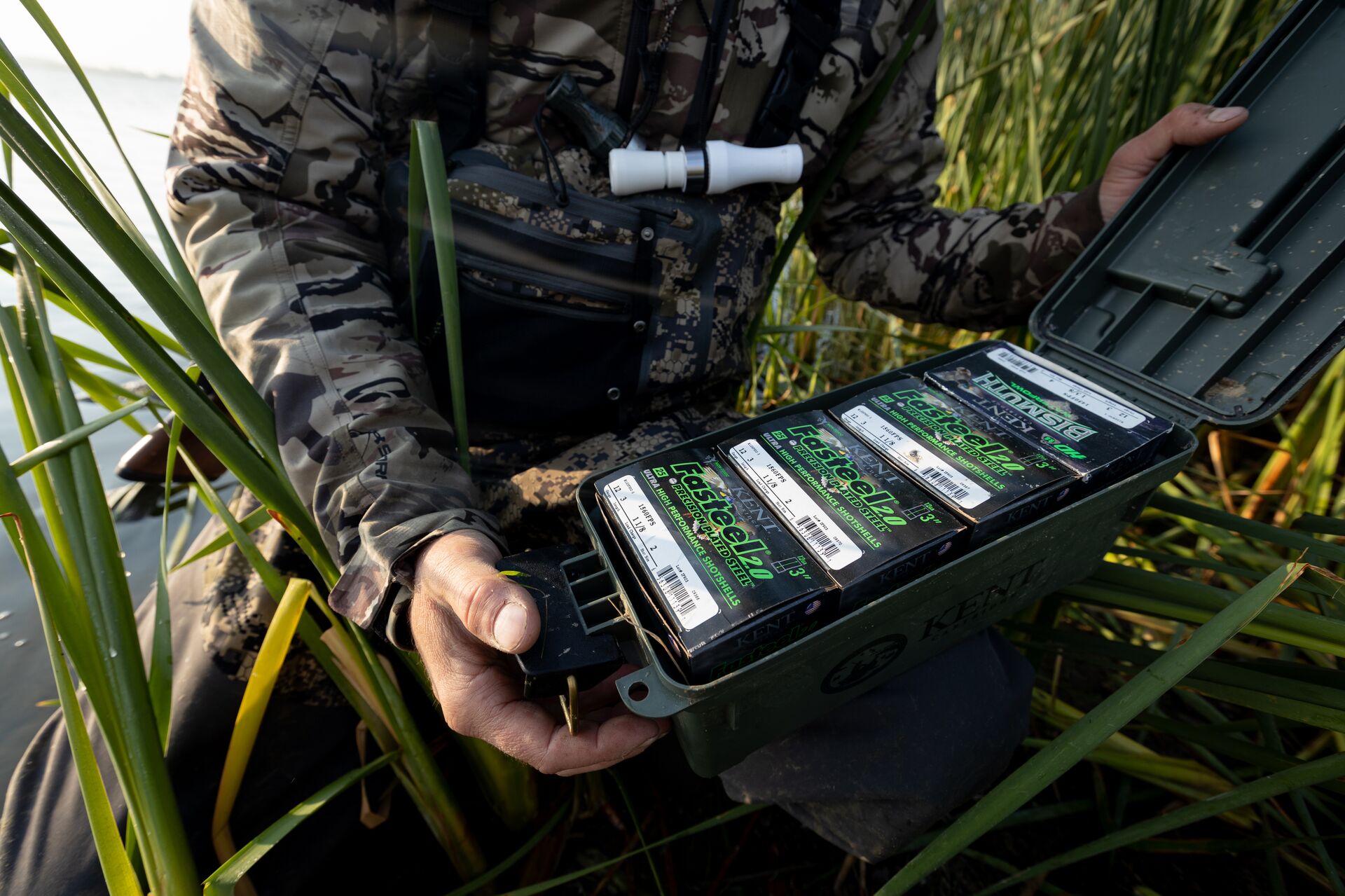
It's not as simple as grabbing a shotgun shell and loading it into the shotgun. There's plenty of room for error that could lead to an explosion if you're not careful.
Wrong Ammunition Size
Using the wrong size cartridges is a common mistake that can have catastrophic consequences.
Mismatched ammunition can cause excessive pressure build-up, leading to an explosion. Double-check your ammunition to ensure it matches your shotgun's specifications.

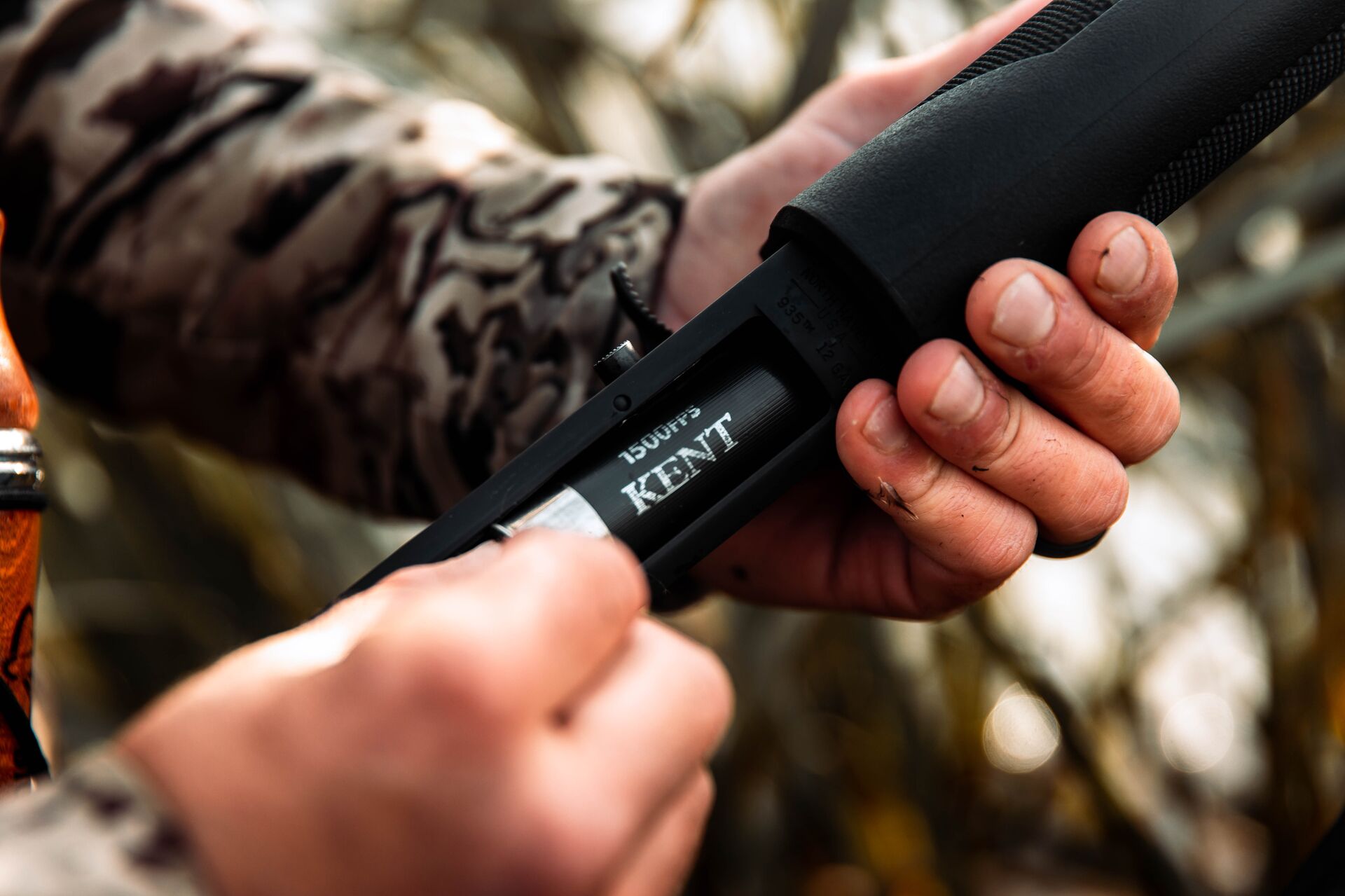
Shotgun shells come in length. The lengths your gun is meant to take are generally written on the gun barrel. Usually, a weapon that can take a Magnum shell (longer) will take the shorter standard load with no issues.
Damaged Shells
Dented, cracked, or improperly reloaded shells are accidents waiting to happen. Even a minor imperfection can cause malfunctions or explosions. Inspect each shell before loading it into your shotgun.
Overloaded Ammunition
Hand-loading ammunition can be rewarding, but following precise guidelines is essential. Overloading excessive powder can increase internal pressure beyond safe limits, risking an explosion.
Stick to recommended loads and consult the owner's manual, your gun, and all the writing on shells and shell boxes to ensure they are all compatible.
Remember, a shotgun shell will have the length, shot size, and normal dram (power) printed on it and its box. These numbers are easily matched with the safe usage numbers scripted on the gun barrel.
For instance, a 12 gauge 2-3/4 or 3" magnum will safely handle a 12 gauge 2-3/4" 4-shot high-velocity game load with no issue.
3. Improper Maintenance
When was the last time you cleaned your shotgun? Neglecting the care of your firearm can be dangerous. It's crucial to understand the parts of a shotgun, how they work, and how to keep them working well.
Rust and Corrosion
Neglecting regular cleaning and oiling can lead to rust, which weakens your shotgun's barrel. A weakened barrel is more likely to fail under pressure.
Regular maintenance is critical to ensuring your shotgun remains safe and reliable. Make sure you know how to clean a shotgun barrel and do it regularly after use. Simple gun solvent and oil with a toothbrush and bore snake will go a long way.
Wear and Tear
Shotguns, like any mechanical tool, suffer from wear and tear. Regular inspections can catch signs of metal fatigue or structural damage before they become serious. If in doubt, consult a professional gunsmith.

4. Mechanical Failures
Your shotgun is made up of multiple parts. Failure of any one critical piece can lead to an explosion.
Faulty Firing Mechanism
A worn or damaged firing pin can cause misfires or accidental discharges. Regularly inspecting and maintaining internal components is crucial to preventing mechanical failures that could lead to an explosion.
Taking the bolt assembly apart and cleaning it out purposefully will go a long way here.
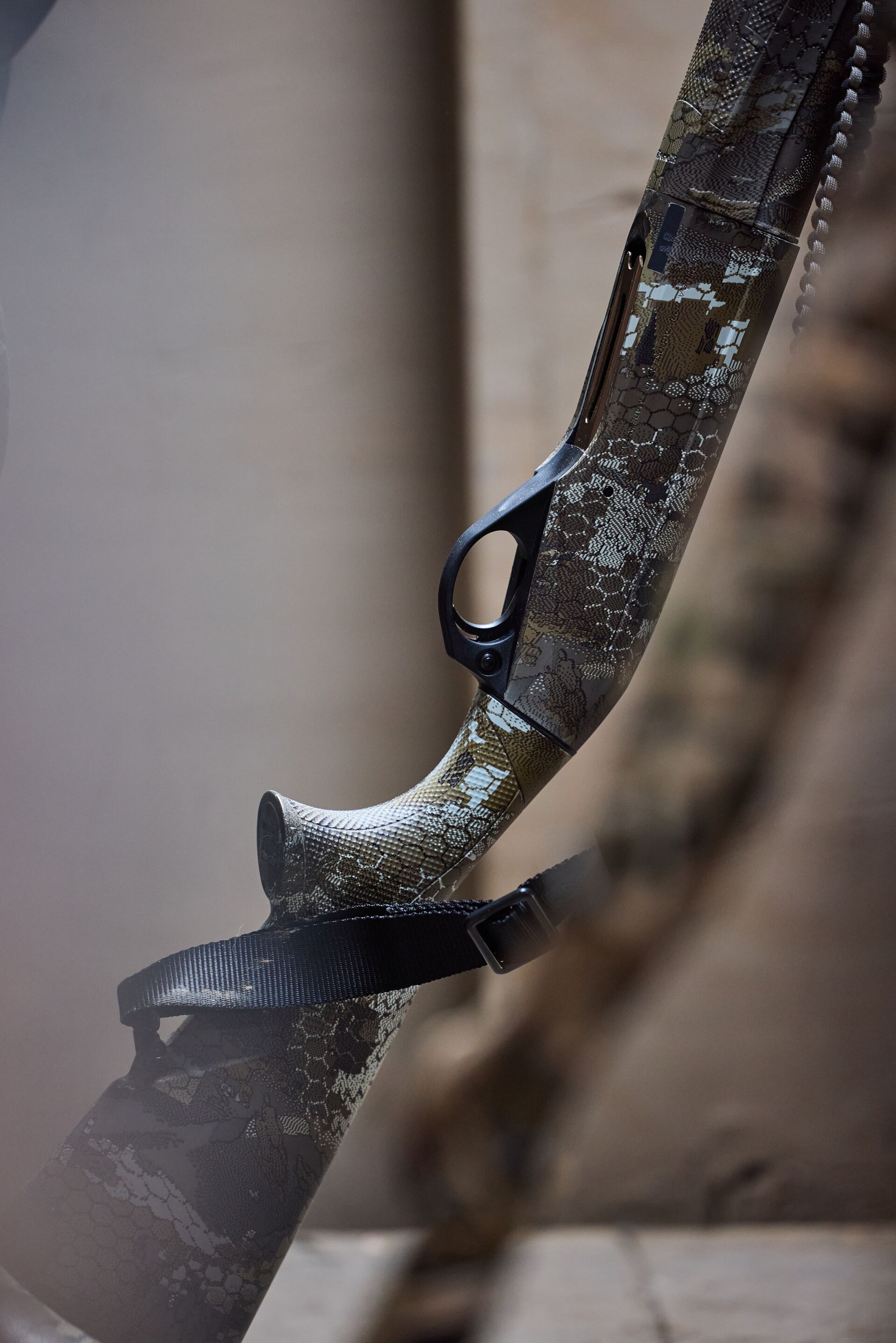
Weak Barrel Integrity
Incorrect Assembly
After taking the gun apart to clean and inspect, putting it back together incorrectly can be dangerous.
Improper Reassembly Post-Cleaning
After cleaning, it is crucial to ensure all parts are correctly reassembled. Misassembled parts can affect the shotgun's function and safety.
Follow your firearm's manual or seek professional help if you are unsure.
5. Environmental Factors
Any machine can fail in the outdoors, and your gun is essentially a machine.
Extreme Temperatures
Extreme heat or cold can affect both ammunition performance and the metal integrity of your shotgun. Store your shotgun and ammunition properly to avoid temperature-related issues.
Also, extreme cold can lead to liquid lubricants becoming gel-like and leading to malfunctions. Switch to dry lube in cold climates.
Moisture Exposure
Water damage can weaken your shotgun through corrosion, especially in humid or rainy conditions. Make Sure your firearm is dry and stored in a moisture-free environment.
5 Safety Tips to Prevent Shotgun Explosions
We've covered a lot of what can go wrong, so how can you prevent the issues we've mentioned and avoid an explosion when firing at a big buck on your next hunt?
Here are five prevention tips.
- Conduct Regular Inspections: Routine checks for any signs of damage or wear are essential. Professional gunsmiths can provide thorough inspections and maintenance advice.
- Keep Up With Proper Cleaning and Maintenance: Effective cleaning routines and proper storage practices are crucial. Use high-quality cleaning supplies and lubricants to keep your shotgun in top condition.

- Use the Correct Ammunition: Always double-check ammunition compatibility with your shotgun. Purchase it from reputable sources to ensure quality and safety.
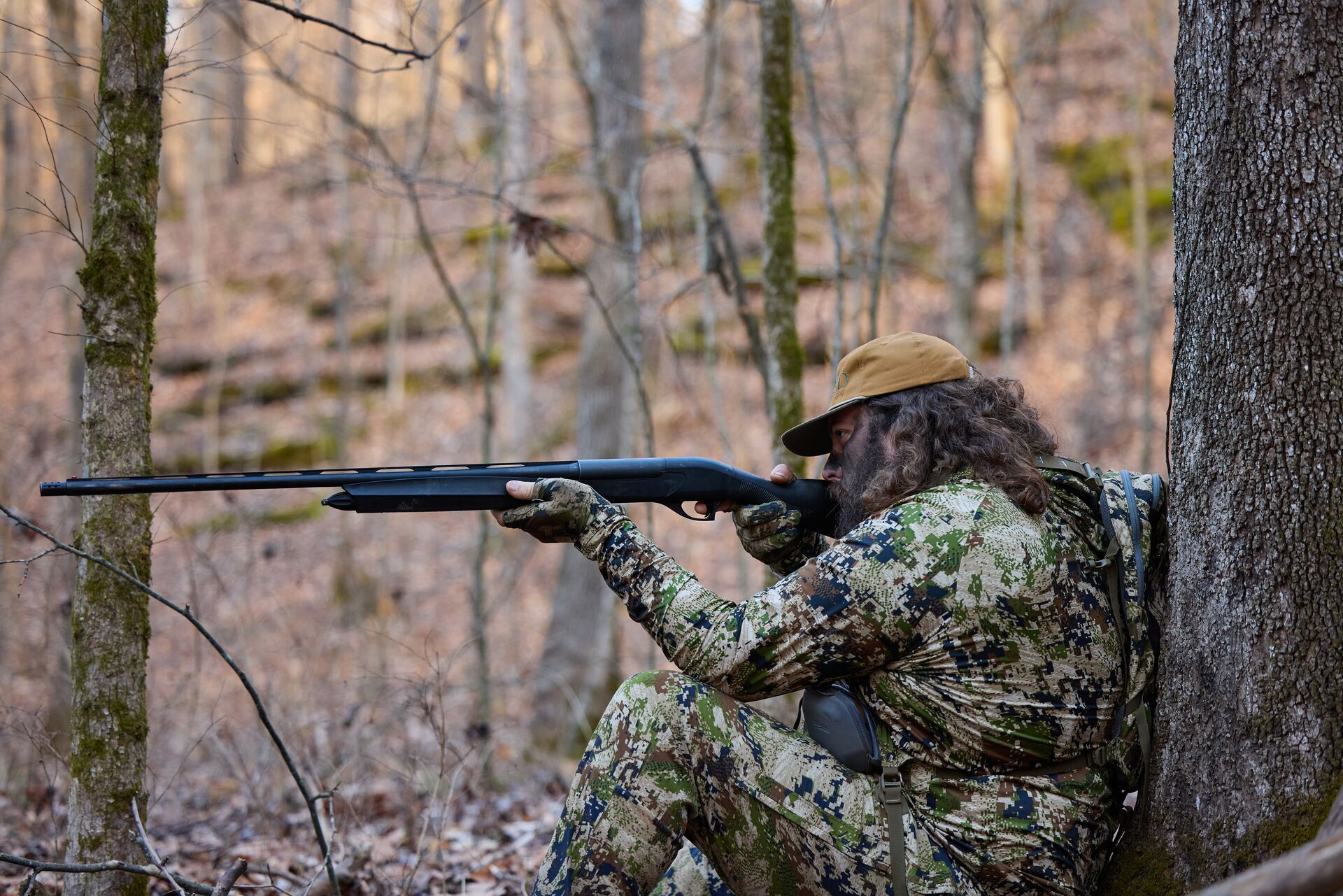
- Apply Safe Handling Practices: Basic safe gun handling practices cannot be overstated. Always point the barrel in a safe direction and use protective gear, such as eye and ear protection.
- Pursue Education and Training: Ongoing education and training programs for hunters are vital. Local hunting clubs and organizations often offer firearm safety courses.
We also recommend taking a hunter education course, like those offered by ilearntohunt, to learn more about safe firearm practices and prevent accidents.
Learn How to Avoid What Causes a Shotgun to Explode Through Hunter Education
I have never experienced a major malfunction in a shotgun, such as an explosion. With that, I always take the time to ensure that the shells I am using are suitable for the game or targets I am potentially shooting and match up with the gun I will be using.
I keep all of my shotgun shells separately for each gun I might be using. No gauges get switched, and no lengths, for that matter.
A good education will help you get most of this right when learning how to work with a shotgun properly. An online course through ilearntohunt is a comprehensive hunter education program covering many aspects of hunting, including firearm safety.
I took a few of these courses and was impressed with the focus on safety and up-to-date information. Having taken my original hunter's education in the early 90s, a few refreshers from ilearntohunt really helped me codify my already stringent safety practices. The course even gave me a few tips that I now adhere to for safe shotgun use in the field.
Stay safe and comply with your state's hunter education laws!

Content most recently reviewed and updated March 4, 2026.
Frequently Asked Questions (FAQs)
We have answers to your questions about what causes a shotgun to explode!
Q: What might cause a shotgun to explode?
A: A shotgun can explode if there’s an obstruction in the barrel, such as mud, snow, or a stuck wad from a previous shell. Using the wrong gauge ammunition, overloaded or improperly loaded shells, or firing severely worn or damaged equipment can also lead to a dangerous failure.
Q: What might cause a shotgun to misfire?
A: A shotgun misfire usually happens because the shell doesn’t ignite when the trigger is pulled. This can be caused by faulty or old ammunition, a defective primer, a weak or broken firing pin or spring, or dirt and corrosion inside the action.
Q: What can cause a bullet to explode?
A: Standard bullets are not designed to explode on their own. However, certain specialty rounds are made to detonate on impact. Ammunition exposed to extreme heat, such as in a fire, can rupture, and improperly manufactured or overloaded cartridges may fail when fired.
Q: Will a misfire cause a shotgun to explode?
A: In most cases, a misfire will not cause a shotgun to explode. A misfire typically means the shell simply did not fire. However, a delayed ignition (called a hangfire) can occur, which is why it’s important to keep the firearm pointed in a safe direction for a short period before opening it.