How to Get a Wisconsin Youth Hunting License
Knowing how to get a Wisconsin youth hunting license for the 2026 hunting season depends on whether the youth has completed a hunter education course. The state allows children of any age to hunt under the state’s Mentored Hunting Program, but junior licenses require a Wisconsin-approved hunter education certificate for those ages 10 and older.
The Wisconsin Department of Natural Resources (WDNR) has created a flexible dual pathway system that benefits both novice and experienced youth hunters. Understanding which option best aligns with your child’s age, experience, and certification status will help you take the right approach to starting their season legally and safely.
Here's what you need to know.
| Wisconsin Youth Hunting License — Quick Facts | ||
| Where to Purchase Online or In Person | Who Qualifies for Youth License Residents and non-residents ages 10 and under | Ages 10–17 Qualify for Junior License |
| Rules Some young hunters must hunt with a licensed adult at least 18 years old | Hunter Education Youth hunters who have not completed hunter education qualify for a Mentored-Only license | |
How to Get a Wisconsin Youth Hunting License
Figuring out how to get a Wisconsin youth hunting license for your child involves three primary steps: choosing the correct license path, completing hunter education (if required), and purchasing the appropriate license through the WDNR system.
Step 1: Choose the Right License Path
WDNR provides two license options based on the child's hunter education status:
- No hunter education certification. Children who have not completed a hunter education course may legally hunt only in the Mentored Hunting Program, which requires youth hunters to be under direct adult supervision at all times while hunting. This option is best for younger children and beginners who are still learning firearms skills and basic fieldcraft.
- Certified youth (ages 10-17). Youth who have completed a WDNR-approved hunter education course can use the standard junior hunting license and are not legally required to hunt under mentor supervision.
For most families with young hunters, the mentored pathway is the safest and least stressful way to introduce them to hunting. The approach allows children to gradually build their confidence and skill set under the guidance of more experienced adults before transitioning to independent or less supervised hunting.
Starting with the mentored pathway provides the safest, least stressful introduction to hunting.
Step 2: Complete Hunter Education (If Required)
For young hunters who want to move toward non-supervised hunts, completing a hunter education course is a critical step.
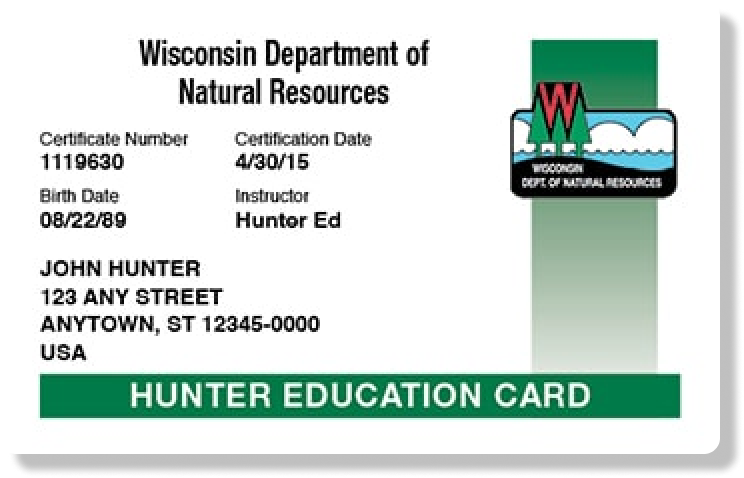
Wisconsin’s youth hunter course is a hybrid format that includes online coursework plus an in-person field day with hands-on demonstrations on firearms safety. The cost is currently a $10 fee paid directly to the field day instructor, plus approximately $28.95 for the online course provider.
Aside from satisfying the state’s legal requirements for purchasing a hunting license, completing a hunter education course can help build lifelong safety habits and teach basic fieldcraft, wildlife conservation, and ethical practices, increasing hunting opportunities and positive experiences for Wisconsin’s next generation of hunters.
Step 3: Purchase the License
Once the youth hunter has completed the previous two steps, they’re ready to buy the standard junior hunting license. To do so, you will need to create a WDNR customer ID number using the Go Wild system. This number is attached to the youth’s profile for licenses, tags, harvest reports, and future license purchases.
| You can purchase a Wisconsin Youth Hunting license in two ways: |
|
No matter which purchase method you use, carefully verify the season dates, species selection for any additional tags, and that you are getting the correct license for the youth hunter.
Once you’ve purchased the youth license, make sure to keep a printed or digital copy with you at all times while hunting.
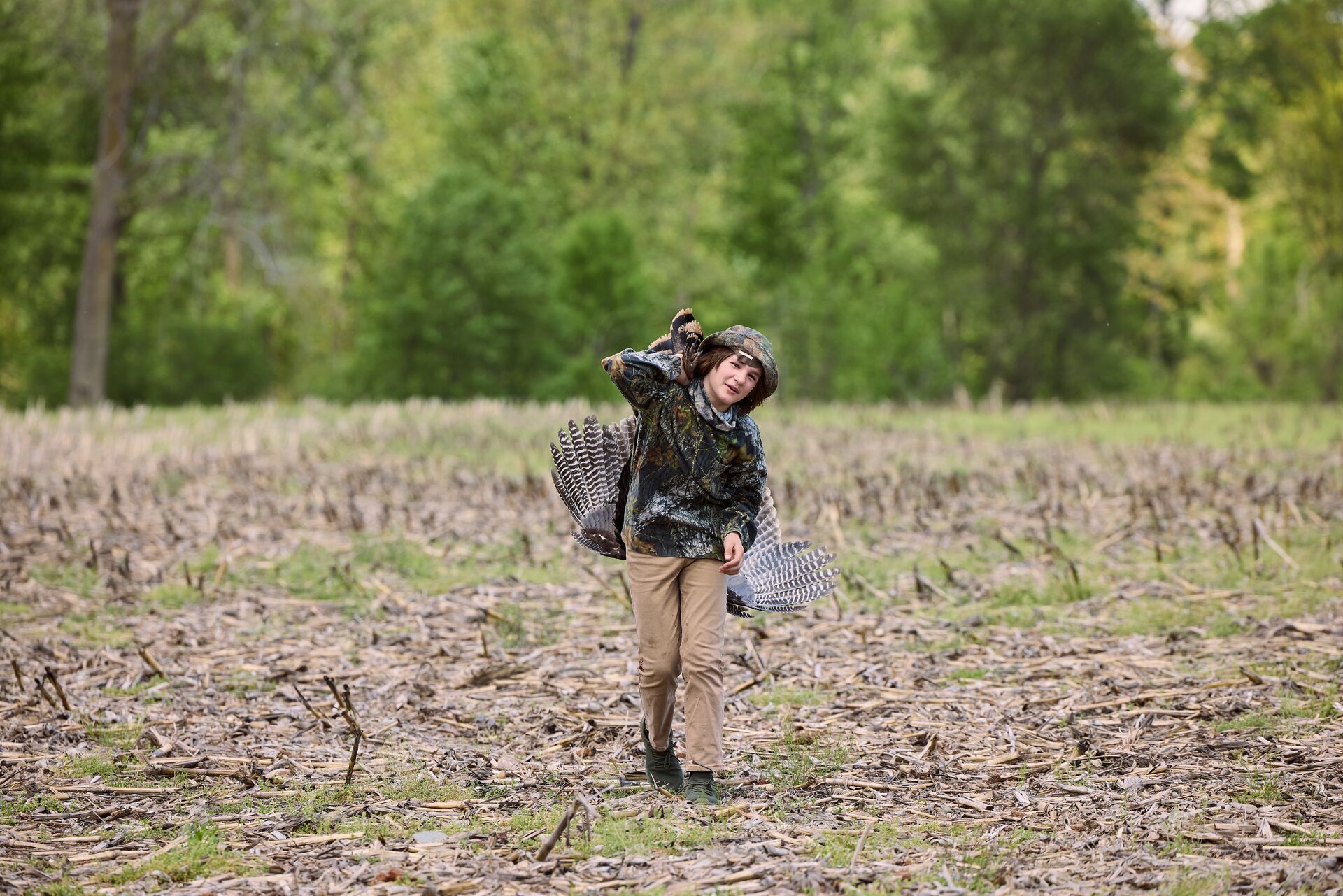
Wisconsin Youth License Costs for 2026
WDNR continues to keep youth hunting fees among the most affordable in the country as part of an ongoing effort to make hunting accessible to families who want to pass the tradition along to the next generation.
| Wisconsin Youth Hunting License Costs | |
Junior Gun Deer license (ages 12–17) | $20.00 |
Gun Deer license (under 12) | $7.00 |
Spring Turkey license (under 12) | $7.00 |
Fall Turkey license (under 12) | $7.00 |
Turkey Stamp (under 12) | $7.00 |
Junior Small Game license (ages 12–17) | $9.00 |
Small Game license (under 12) | $7.00 |
First-Time Buyer license | $5.00 |
The First-Time Buyer (FTB) license is heavily discounted to encourage new hunters or reactivate lapsed hunters. To qualify for the FTB, the hunter must have never purchased that specific license type before or have not purchased one in the past 10 years.
What Is a Wisconsin Youth Hunting License?
The Wisconsin youth hunting license allows young hunters ages 10-17 to legally pursue small game, deer, turkey, and other regulated game species, depending on the season and license type.
WDNR created two pathways for youth to gain experience in the field while still ensuring strong safety and adult supervision standards are in place:
- Mentored-only hunting: Allows any youth who hasn’t completed hunter education to legally hunt as long as they are directly supervised by an adult with a current hunting license.
- Standard junior license: Available to certified hunters ages 10-17, enabling them with the option for independent hunting as long as they’ve completed hunter education.
This tiered system allows novice hunters to hunt under the guidance of experienced adults and rewards junior license holders with greater independence and responsibility to demonstrate competence and maturity.
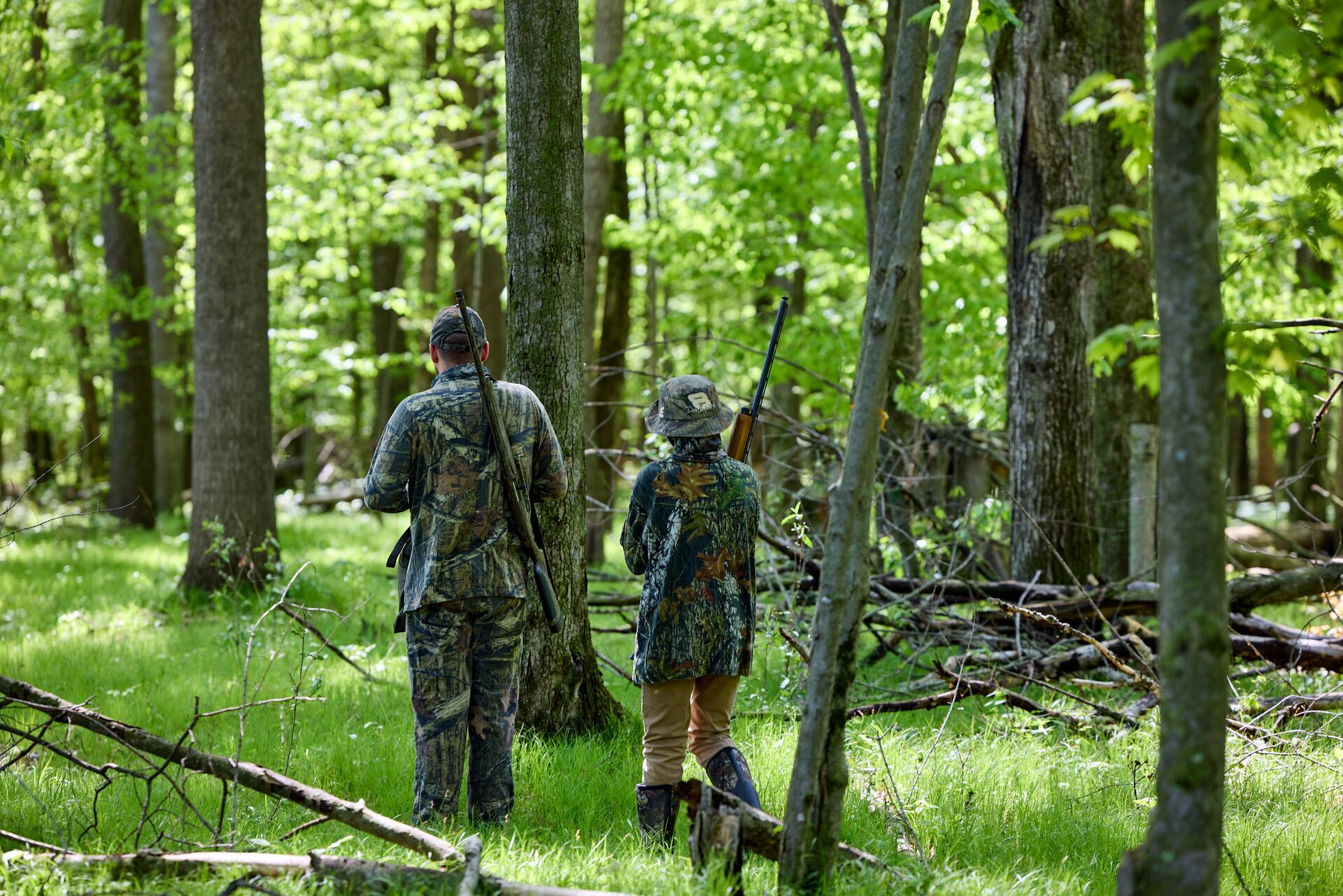
Who Needs a Youth Hunting License?
Anyone under the age of 17 who plans to hunt regulated species within Wisconsin’s state borders needs to have either a youth hunting license or a mentored hunting authorization.
Unlike many other states, Wisconsin does not set a minimum age for hunters as long as they are in the Mentored Hunting Program. Hunters in this program must adhere to all supervision requirements while in the field. Youth ages 10-17 who have completed a WDNR-approved hunter education course can move to a junior license that allows more independent hunting.
While both youth pathways (mentored and junior license) still require adherence to all state and federal hunting laws, this system allows families to let children explore the world of hunting at a pace that best suits their maturity and experience.
Who Qualifies for Each License Type?
WDNR has divided the state’s youth hunting into two primary license types: Mentored-Only and Junior.
Mentored-Only License (No Age Minimum)
This pathway is for youth hunters who have not yet completed a hunter education course. This option is best suited for very young hunters, first-time hunters, and youth hunters who need a gradual introduction to the activity.
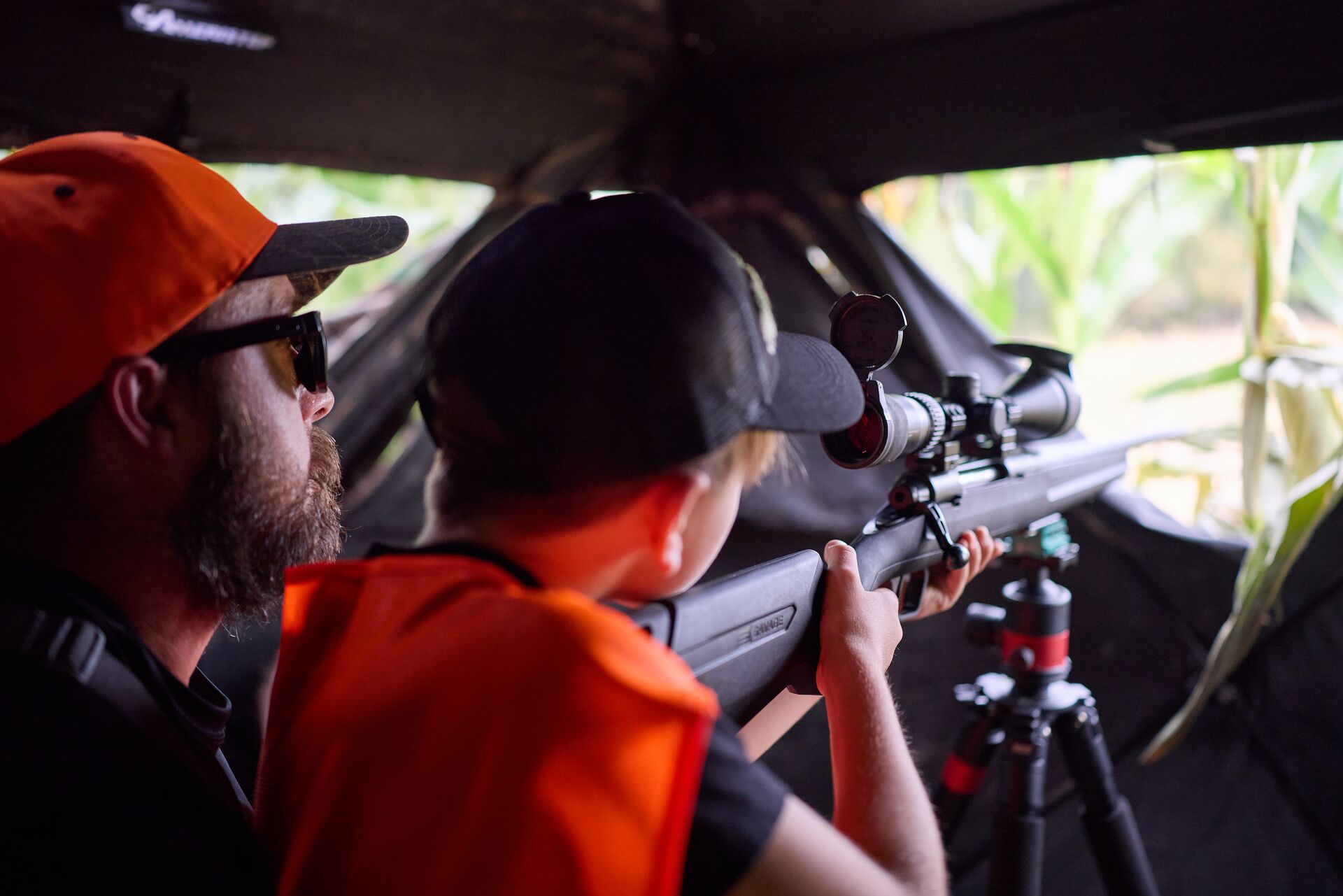
The youth hunter must hunt with a qualified mentor who is 18 or older. For safety and education reasons, the mentor must be within arm’s reach of the youth at all times during the hunt.
Junior License (Ages 10–17)
Youth ages 10-17 who have completed a state-approved hunter education course qualify for a standard junior hunting license. This license removes the mentor requirement, allowing the youth to hunt independently.
Junior licenses can be purchased for small game, turkey (spring and fall), deer, and other regulated species based on the season and permit availability.

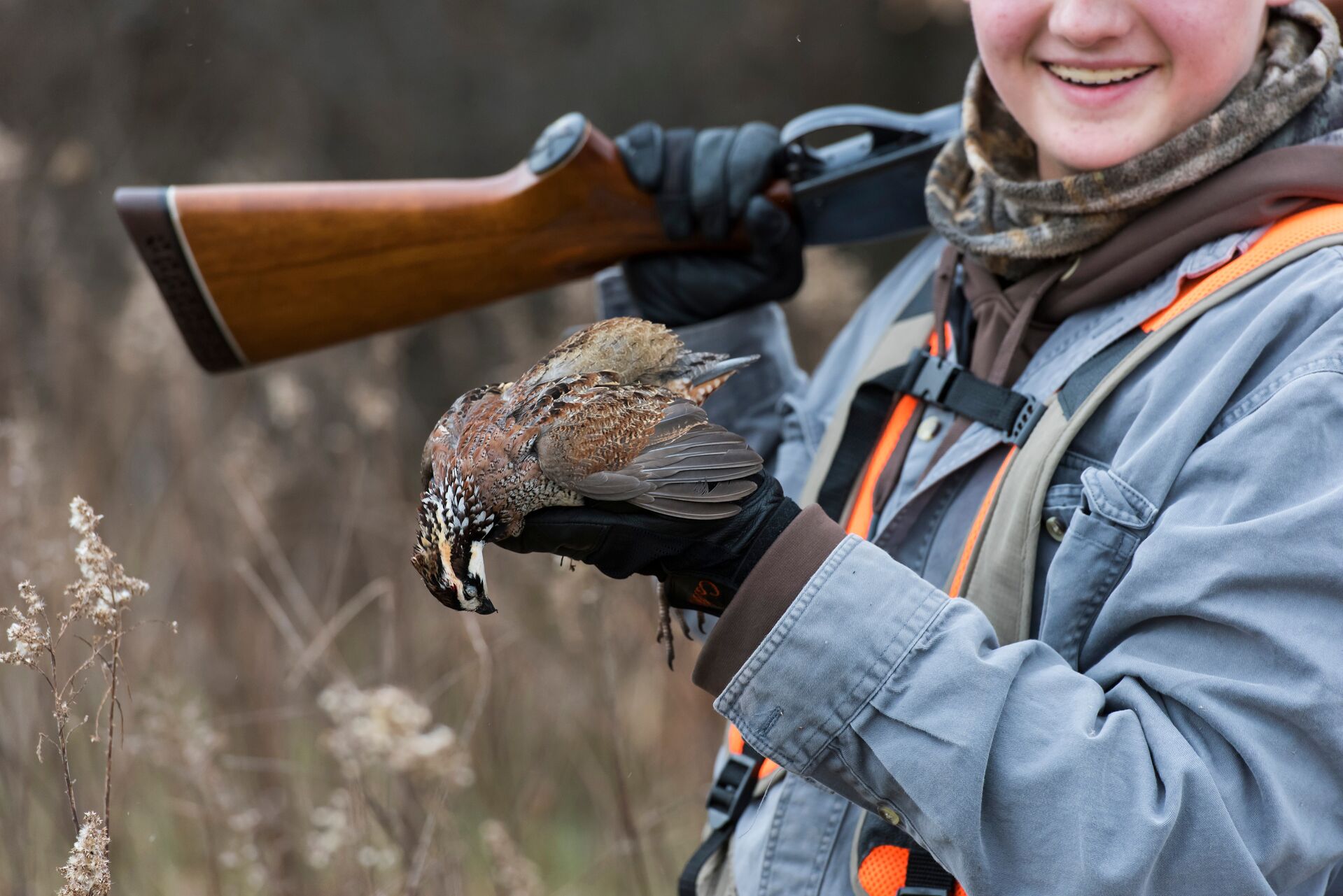
How to Use the Youth Hunting License in Wisconsin
Once you know how to get a Wisconsin youth hunting license and purchase the correct type, make sure that a digital or printed copy of the license and any required tags or permits are with the youth on every hunt.
| How to Use a Wisconsin Youth Hunting License: |
|
Tips for Parents and New Hunters
Introducing hunting to a new hunter is more than a harvest-centric focus. It should be a balanced mix of creating opportunities for learning and fun while always keeping safety at the forefront of every experience.
Here are a few tips to consider:
- Begin with mentored hunts: Start the experience with supervised hunting before transitioning to independent hunting. This will give the young hunter time to build confidence and skill with firearms, learn to interpret field conditions, and develop a decision-making process in a lower-pressure environment.
- Participate in a special-season youth hunt: WDNR allows youth license holders to hunt deer, spring turkey, and waterfowl during youth-only seasons that begin one week before the regular season for each species. These youth hunts provide a fantastic opportunity to get the youngster on less-pressured game and with far fewer other hunters in the field.
- Invest in proper safety gear: We all get only one set of ears and eyes, so invest in quality hearing and eye protection that fits a child’s head properly. Also, get the best footwear (boots and socks) for the conditions you’ll be hunting in, along with correctly-sized blaze-orange clothing and base layers. A wet and cold novice hunter is miserable and less likely to want to return to the field again.
- Practice before the season: Review firearm manipulation and safe handling practices (always unloaded) at home. When the youth is ready, head to the range for live fire practice. Focus on improving accuracy at distance and in multiple shooting positions to build familiarity and confidence well before opening day.
- Prioritize learning over harvesting: Rarely do the best childhood hunting memories come from filled tags. Instead, they are a collection of shared learning experiences with family members that often include learning about wildlife behavior, tracking, calling in that first gobbler, or even sharing a cup of hot chocolate on a cold morning.
Make a point of building foundational skills and help the young hunter turn them into lifelong habits, so they can develop a lifelong appreciation for the outdoors and conservation that can be passed along to future generations.
Take a Hunter Education Course to Hunt Safely in Wisconsin
Fortunately, Wisconsin has made getting a youth hunting license affordable and straightforward once you understand the requirements for mentored hunting and junior licenses.
One of the most valuable investments to give your young hunter the best chance for success and safety is to enroll them in an ilearntohunt hunter education course. Approved by WDNR, this course helps youth hunters develop lifelong safety habits, explore wildlife conservation principles and ethical decision-making, and learn the basics of fieldcraft to succeed in the field.

Frequently Asked Questions about the Wisconsin Youth Hunting License (FAQs)
We’ve got answers to some common questions about youth hunting allowances and youth hunting licenses in Wisconsin.
Q: Do you need a license for the youth deer hunt in Wisconsin?
A: Yes, Wisconsin youth hunters need a valid hunting license to participate in the youth deer hunt, even during the special youth weekend. If hunting with a firearm, a gun deer hunting license is required. Youth who have not yet completed hunter education can still participate by purchasing a mentored hunting license, which requires them to stay within arm's reach of a qualified adult mentor at all times.
Q: How much is a youth deer hunting license in Wisconsin?
A: Wisconsin offers discounted deer hunting licenses for youth hunters, with hunters under age 12 paying $7. Fees for older youth may vary, so check the Wisconsin DNR's Go Wild system for the most current pricing before purchasing. Licenses are available online through Go Wild or at authorized license sales locations statewide.
Q: What age can kids take hunter safety in Wisconsin?
A: Wisconsin does not set a statewide minimum age to take the hunter education course. The Wisconsin DNR notes the curriculum is written at roughly a sixth-grade reading level, and parents or guardians are responsible for deciding when their child is ready to enroll. Hunters under age 18 must complete a course that includes an in-person, hands-on component to earn their certification.
Q: How old does a kid have to be to participate in the youth deer hunt?
A: Wisconsin's annual youth deer hunt is open to hunters age 15 and under, including both residents and nonresidents. There is no minimum age to participate, as children of any age may hunt under Wisconsin's Mentored Hunting Program with a qualified adult mentor within arm's reach. Youth ages 12–15 who have completed hunter education may participate with less restrictive supervision requirements.
Q: How old does a kid have to be to shoot a deer in Wisconsin?
A: There is no minimum age to hunt deer in Wisconsin, thanks to the state's Mentored Hunting Program, which allows children of any age to hunt alongside a qualified adult mentor. To hunt deer independently, a youth must be at least 10 years old, hold a valid hunting license, and have completed hunter education. Children under 12 always require a mentor regardless of hunter education status.