Hunting as a 30-Year-Old: How Adults Get Started Hunting
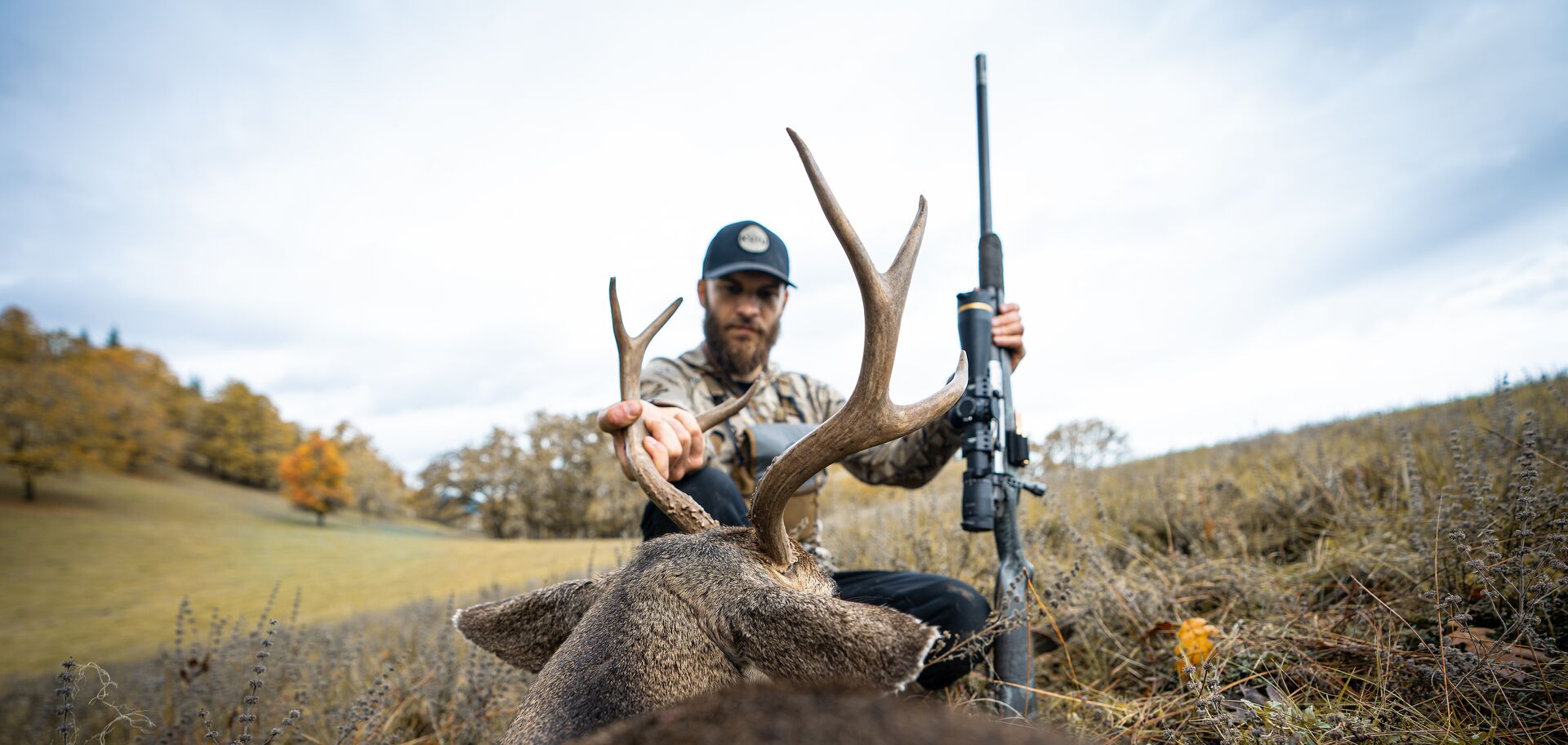
If you’d like to know how to start hunting as an adult, you’re not alone. Many aspiring hunters don’t get the chance to experience their first hunting season until adulthood.
Those raised in a non-hunting family or in an area where hunting wasn't easily accessible or part of the local culture likely never got to participate in a centuries-old tradition. Fortunately, you don’t need years of experience or a garage full of gear to get started. You also don't need a grandparent, parent, or relative as a mentor.
The first step in your hunting career is education. Many first-time hunters must complete a state-approved hunter education course (also called a hunter safety course) before they can purchase a hunting license. An online course from ilearntohunt makes that step easier because it's self-paced, with no arbitrary lesson timers or fixed schedules. Most students complete the course over a weekend and earn their hunter education certification from home.
Once they have their certification number, they can purchase a license, get the basic gear to go afield safely, and find an experienced hunting partner who can dramatically shorten the learning curve. Let’s look at the bigger picture of how you can learn to hunt as an adult and explore the steps for starting hunting in your 30s or later.
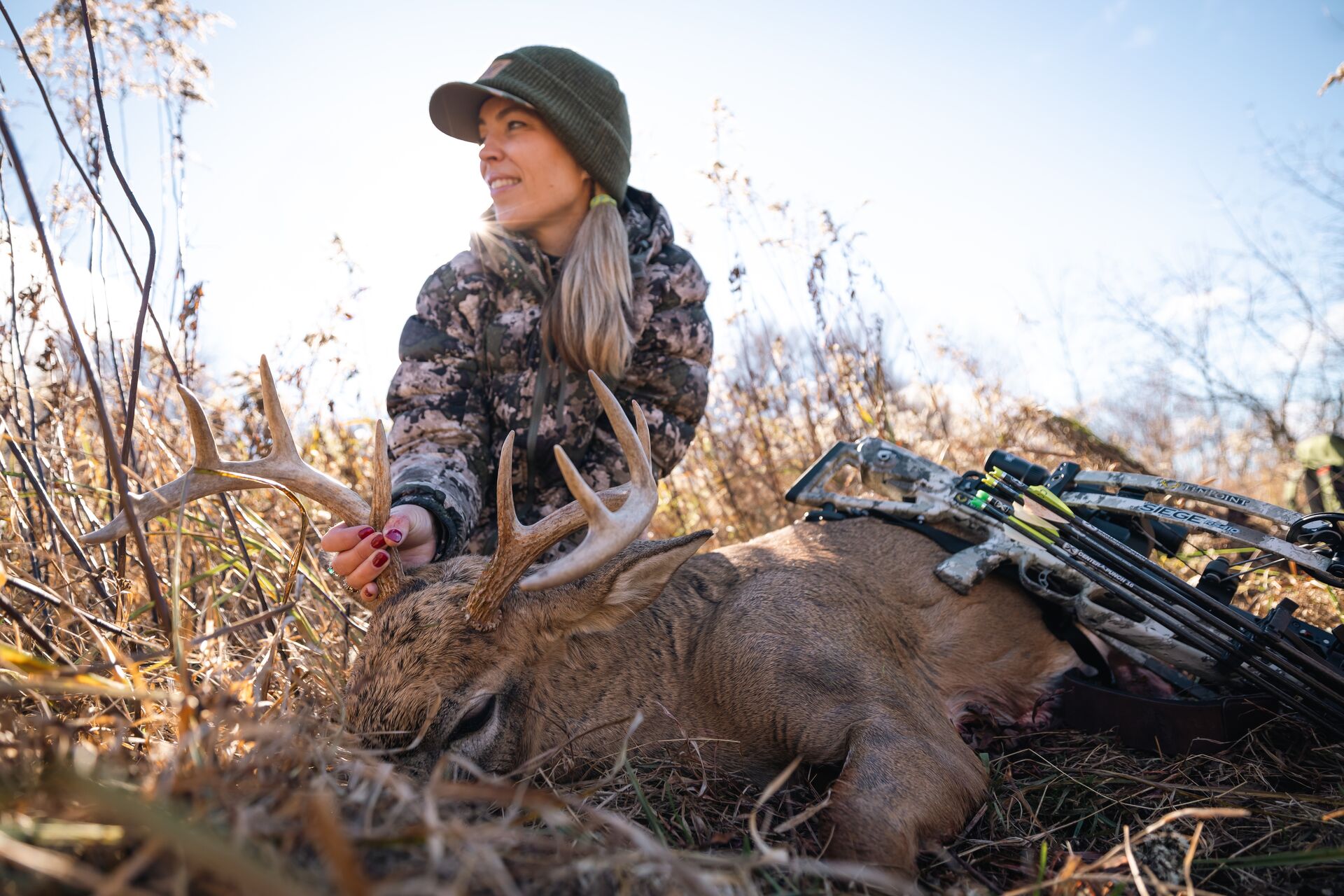
How to Start Hunting as an Adult, Step by Step
Legally stepping into the field with the right hunting license and basic skill set follows a clear sequence of events. Here’s a practical roadmap to help you move from neophyte to novice hunter:

- Complete a hunter safety certification course. Enroll in the state-approved ilearntohunt course for your state. The course is online, so you can complete the required material on your schedule. In many states, you don’t have to attend a traditional in-person classroom course or wait for a specific class date. Depending on your state, you can complete the certification in as little as one day. However, some states do require an in-person Field Day to complete the certification. Check with your state.
- Purchase a hunting license. Once you’ve earned your hunter education certificate, a license comes next. With your certification, you can purchase a state-issued hunting license and any required tags or permits from your state wildlife agency.
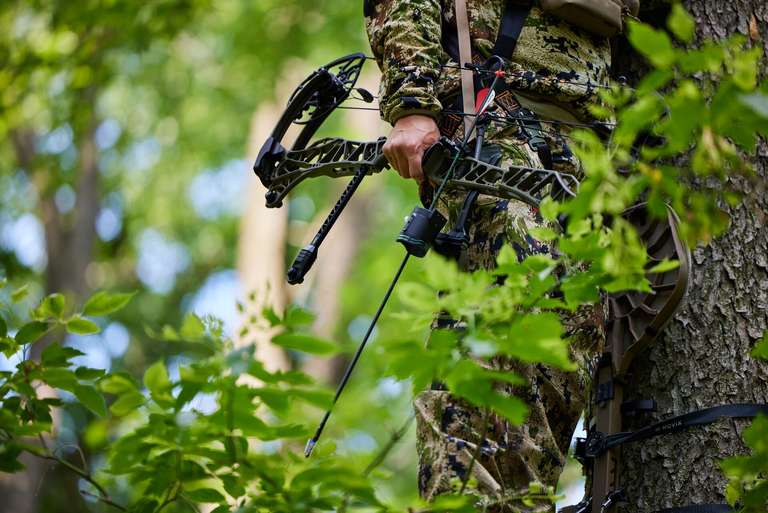
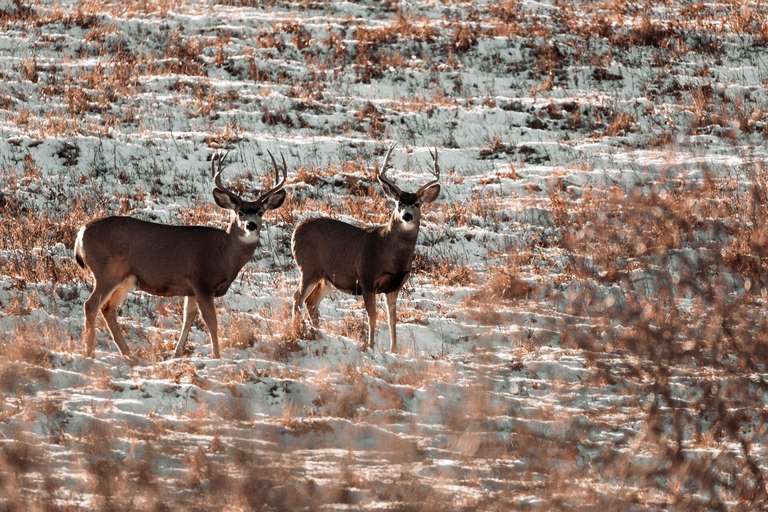
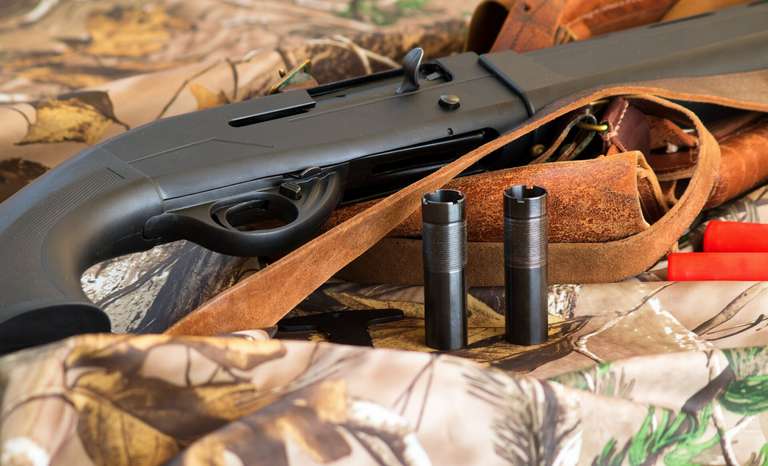
- Choose a species and hunting method. Although you’ll be tempted to try everything, try to keep your first season focused on one or two species. Learn how to hunt deer, elk, black bear, turkey, small game, waterfowl, upland birds, or another legal species in your state. Then decide which legal weapon (rifle, shotgun, bow, or muzzleloader) to use. Pick the one that you can be lethally proficient with.
- Find an experienced mentor to join you. This may be the most challenging step, but it’s worth the effort. Join local hunting, conservation, and shooting organizations and make friends. Many states also sponsor mentoring programs that connect experienced hunters with newcomers.
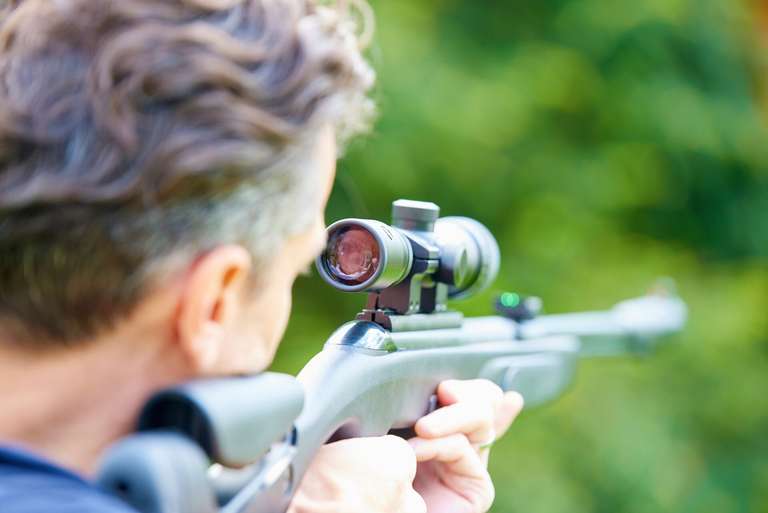
- Become competent before the season starts. Invest time and some money at a shooting or archery range. You want safe weapon handling to be second nature, with precision and accuracy at the distances you expect to shoot. Don’t be the hunter who zeros his rifle once at the beginning of the season. Practice year-round because you can never be too competent.
- Plan your first hunt. For many hunters, pre-season preparation is almost as much fun as hunting. Make time to utilize appropriate hunting apps, scout the area, prepare your gear, study the weather, and plan your hunt. Share a copy of the hunt plan with a reliable friend or family member before you head into the field.
As for paperwork, only the first two steps (hunter education and licensing) are mandatory to hunt legally. Every step after that builds on that foundation, improving the hunter’s practical skills and confidence.
Finding a Hunting Mentor as an Adult Beginner
Many adult beginners who want to learn to hunt find the process intimidating, especially if they don’t know anyone who hunts. Most people enter the sport through their upbringing, and you didn’t have those connections.
That means you need to create them now. Below are some of the best ways to start making new connections as you learn to hunt as an adult:
- State wildlife agencies offer programs for novice hunters, including mentored hunts, beginner workshops, and meetups that pair newcomers with experienced hunters.
- Local hunting and shooting clubs often have members willing to share their knowledge and offer a low-pressure way to meet potential friends who can join you in the field.
- Conservation organizations host local clinics, seminars, and volunteer habitat restoration events that provide opportunities to meet like-minded individuals.
- Online hunting communities can also provide a forum to discuss local groups, public land opportunities, and connect with nearby hunters.
Getting started in hunting can be a bit easier in your 30s. Maturity brings life experience, patience, planning abilities, and a certain degree of financial independence to the decision-making process. You can recognize your limitations and know when to seek instruction instead of trying to figure everything out on your own.
Remember, pairing with a mentor is not a lifetime commitment. The mentor’s role is to shorten your learning curve, model good habits, and provide context you can’t get from a book, video, or course.
Practicing Before Your First Hunt
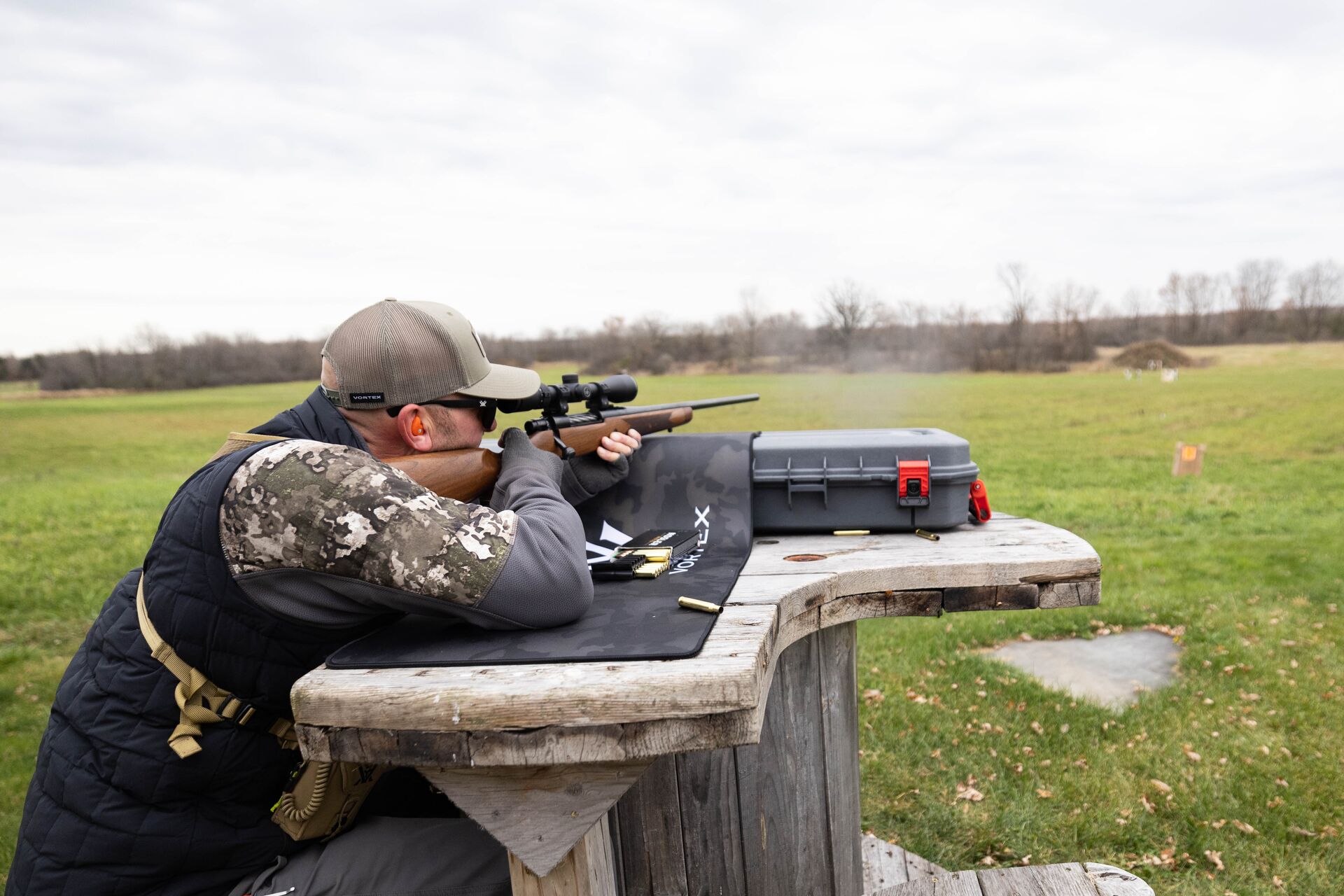
Opening morning isn't the time to figure out how your equipment works or discover that a small inconvenience at the range becomes a major obstacle in the field.
Whether you’re hunting with a bow, muzzleloader, shotgun, or rifle, you must know how to run the weapon safely. You should also know (not guess) your effective shooting range and be confident in your ability to handle the weapon in any weather condition, shoot accurately in uneven terrain, and know what it’s like to perform under pressure (hint: practice in front of a friend with a timer).
If you don’t own a hunting weapon yet, start with a few visits to a local gun store or archery shop. Most offer rentals, introductory classes, and one-on-one instruction to help new shooters learn safe weapons-handling skills and identify the equipment that best fits their needs.
After you purchase your weapon and hunting equipment, focus on building competency. Make sure the weapon is zeroed, and that you can safely load and unload it, operate the safety (with and without gloves), maintain muzzle awareness, and safely carry the weapon before, during, and after the hunt.
You also need to develop the skill to make deliberate, precise shots in a variety of shooting positions at the distances that match your current ability.
Developing the fundamental skills removes at least one source of pressure from your hunt. Instead of dedicating mental bandwidth to operating your equipment, you can focus on your quarry, surroundings, safety, and making the correct next logical decision.
What It Costs to Start Hunting as an Adult
Starting hunting in your 30s also brings life experience and the knowledge that new hobbies tend to come with a price tag. Hunting influencers may make you think you need a $3,000 rifle or bow and a few thousand dollars in the latest technical clothing, but startup costs can be modest if you focus on basic gear instead of everything you think you'll need in the field.
Treat your first season as building a strong foundation rather than an entire house. Let your time and experience in the field guide future gear purchases, focusing on upgrades that will most impact your comfort and safety.
The table below provides a general estimate for a resident adult preparing for a first whitetail hunt. License and permit/tag costs vary by state.
Estimated Start-up Costs for a First Deer Hunt | |
Item | Approximate Cost |
Hunter education course (ilearntohunt) | $49.95 |
State hunting license | $15–$40 (resident) |
Deer tag/permit | $10–$35 |
Blaze orange vest and hat | $20–$40 |
Basic layered clothing | $50–$150 |
Field dressing kit | $20–$40 |
Total estimated costs (before firearm or bow purchase) | $165–$315 |
We’ve excluded a firearm or bow from this list because it’s the largest variable. You may be able to borrow a firearm legally, purchase used equipment, and may not have the experience yet to know what you like or don’t like. That means your first purchase may last a lifetime, or it may be one of several as you figure out what best fits your needs.
Your clothing choices can also stay relatively simple and inexpensive. Start with quality base layers and build from there, upgrading one piece every year if needed.
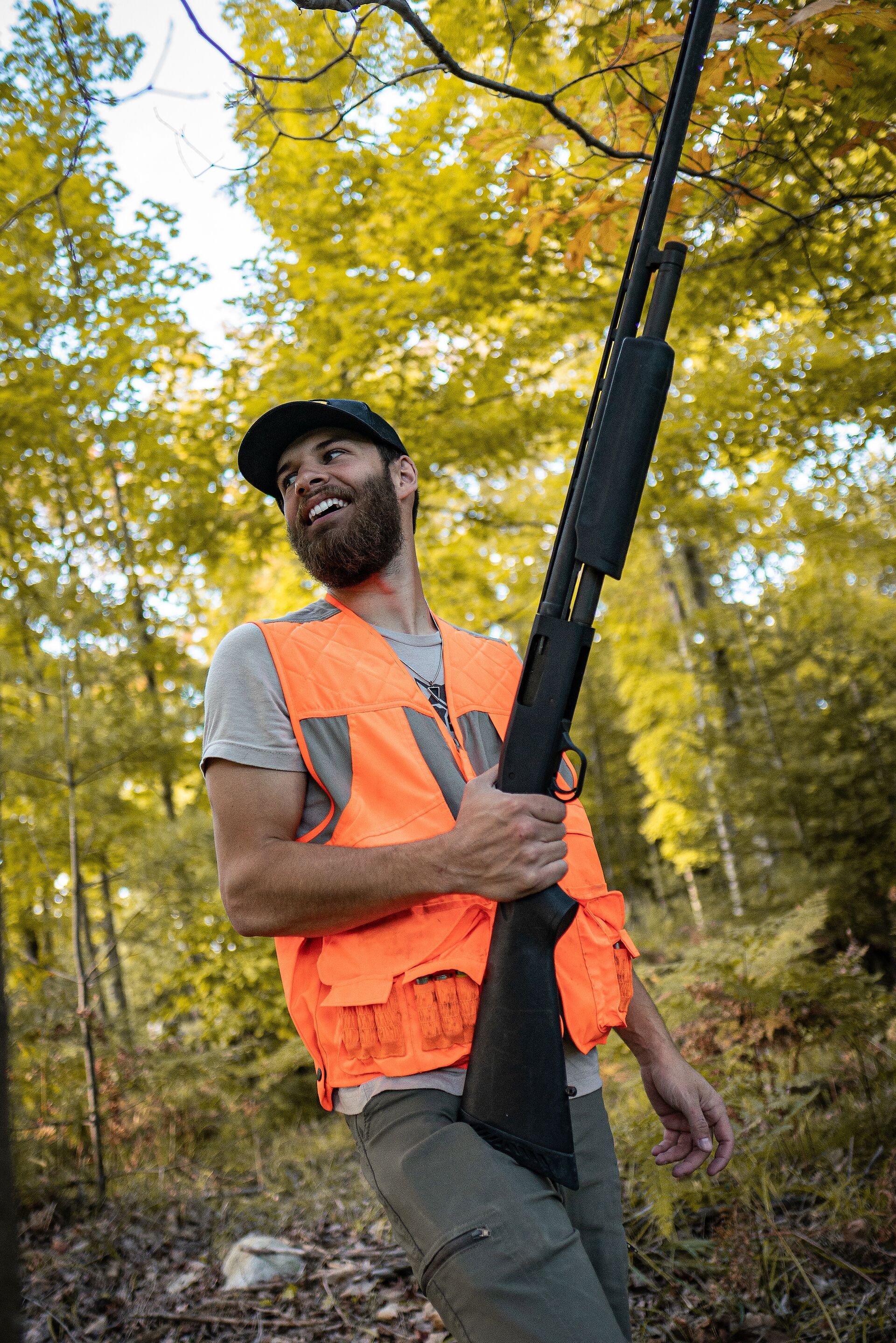
Don’t forget that blaze orange requirements vary by state and often change with the season and species you’re hunting. If you need to wear blaze orange clothing, make sure you are wearing at least the minimum required by your state’s regulations.
Some Funds Support Wildlife In Your State
One benefit of the money you spend on gear is that some of it also goes toward wildlife.
Hunting licenses, permits, and tags help fund state wildlife management and conservation projects. Federal excise taxes on firearms, ammunition, and archery equipment support conservation, hunter education, public shooting ranges, and access to public lands.
It's Never Too Late to Start Hunting
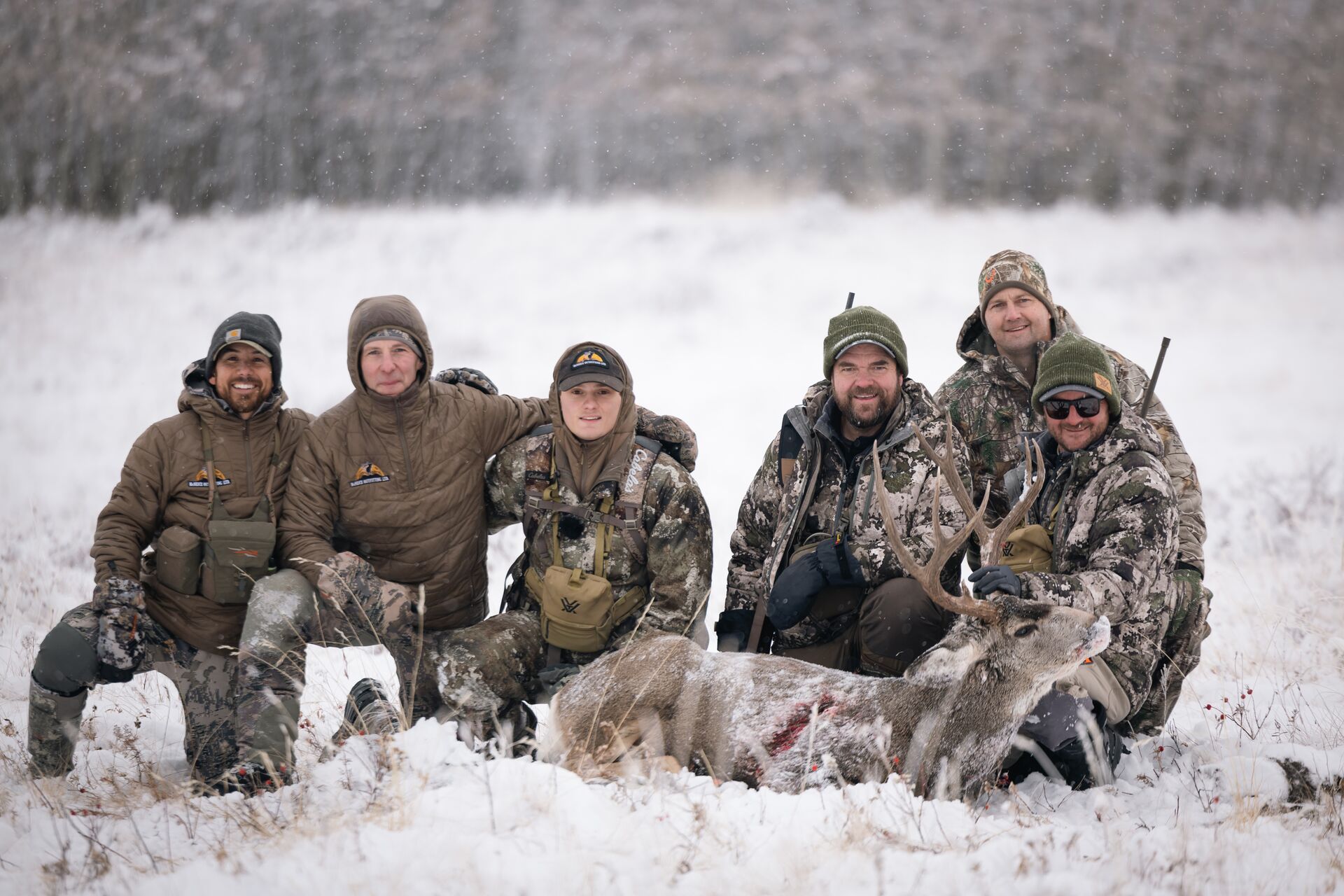
Knowing how to start hunting as an adult can feel like a daunting prospect at first. You may feel like you’ve lost too many years or you’ll never catch up to someone who’s been hunting since childhood. Whether you start at 30 or 80, age matters less than your willingness to learn, commit, prepare, and follow through.
No one was born an expert hunter, and every experienced hunter once had a first season and a first hunt. Starting as an adult means you bring life lessons to the process, so you can learn to hunt more effectively and efficiently.
And that education should start with certification through a state-approved hunter education course from ilearntohunt. After completing the online course in as little as a day, you can earn your certification, then move on to buying a license, getting the right gear, and finding a suitable mentor. Think of hunter education as the key that unlocks the next steps to a successful, memorable first season as a licensed, ethical hunter.

Frequently Asked Questions (FAQs)
Q: Is it too late to start hunting as an adult?
A: No. You can learn to hunt at any age, even if you didn’t grow up around hunters. Start with hunter education, learn your state’s licensing requirements, choose a species to focus on, and build your skills through practice. An experienced mentor can also help you build confidence and learn safe hunting practices.
Q: Do adults need to take hunter safety before their first hunt?
A: It depends on your state’s requirements, including your age and previous hunting or education history. Many states require hunter education before you can purchase a hunting license, although exceptions or mentored hunting programs may be available. Check your state wildlife agency’s regulations before planning your first hunt.
Q: How do I find a hunting mentor as an adult beginner?
A: Contact your state wildlife agency about mentored hunts and beginner workshops. You can also meet experienced hunters through local hunting clubs, conservation organizations, shooting ranges, and hunting communities. Look for someone who prioritizes safety, follows regulations, and is willing to explain the skills and decisions involved in a hunt.
Q: How much does it cost to start hunting?
A: Your startup costs depend on the species you hunt, your state’s license and permit requirements, and the equipment you need. You can keep initial expenses manageable by focusing on essential clothing, suitable footwear, safety gear, and basic equipment instead of buying everything at once. Factor in hunter education, practice sessions, ammunition or archery supplies, and any required tags.
Q: What is the easiest species for an adult beginner to hunt?
A: Small game, such as rabbits and squirrels, can be a practical starting point because you can develop skills like spotting wildlife, moving quietly, and handling and harvesting game before pursuing larger animals. The right species depends on local availability, hunting regulations, your interests, and the equipment you can use safely.
Q: How long does online hunter safety certification take to complete?
A: Many students complete the online hunter safety course in about six to eight hours, while some finish in as little as three hours. The exact time depends on your pace and your state's course requirements. If your state requires an in-person field day, allow additional time to register and attend.
Q: Do I need to already own a firearm or bow before starting hunter safety certification?
A: No. You can begin hunter education before purchasing hunting equipment. The course introduces safety, ethics, regulations, and other essential topics to help you prepare. If you’re unsure which hunting method is right for you, visit a local shooting range or archery shop for instruction and to try equipment before you buy. Check your state’s course requirements to see whether practical training or a field day is required.