How to Trap Coyotes: Lures, Gear, and More
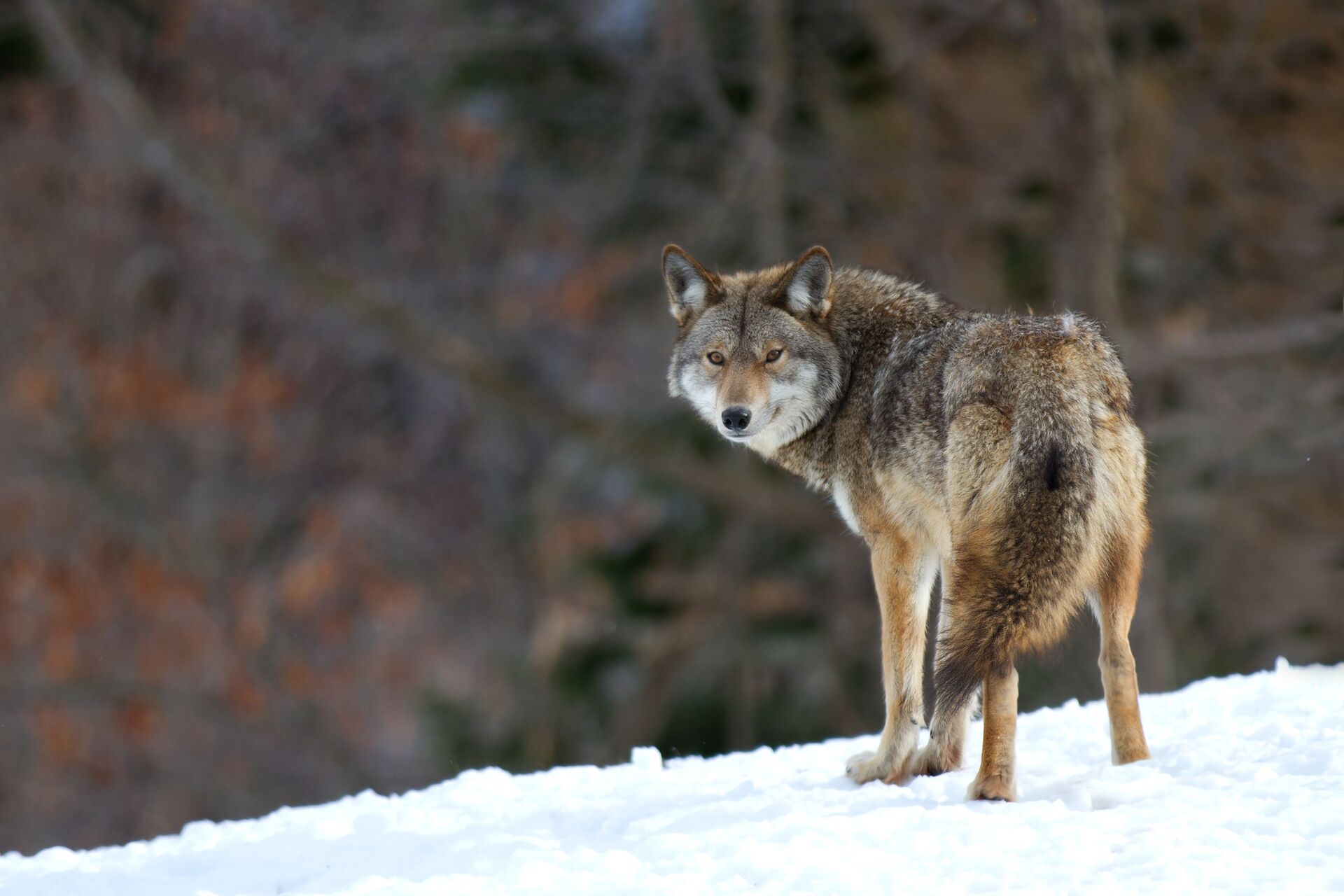
Coyotes are one of North America's most successful and opportunistic predators. Successfully trapping these animals requires extensive knowledge of their behavior, field skills to find their routes, and the right equipment to ethically harvest these highly intelligent creatures.
Whether you want to trap coyotes for local predator management, protect livestock, or process and sell their fur, you'll need to understand the basics of the art and science of trapping. That's what we're talking about today, so keep reading!
Why Trap Coyotes?
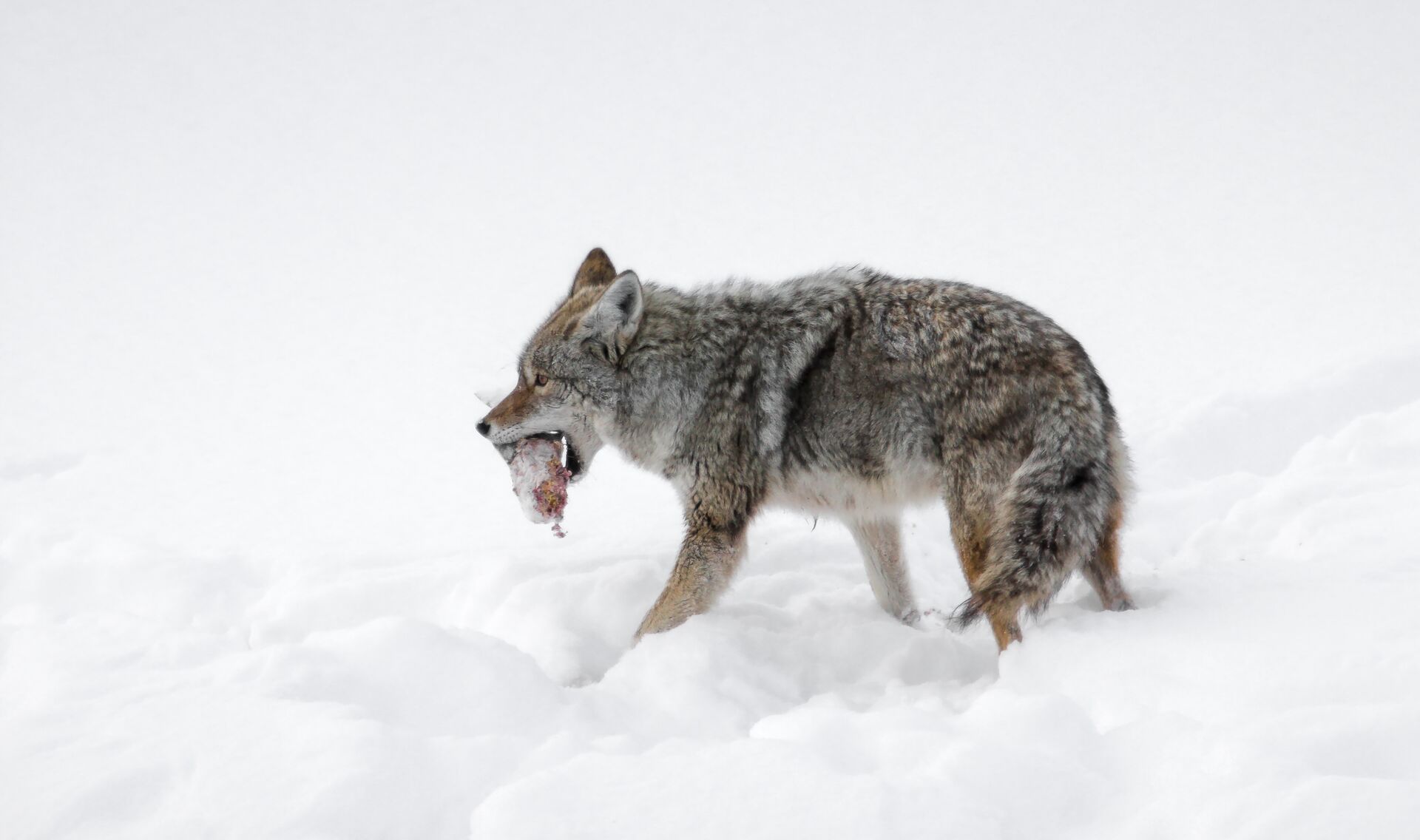
Along with hunting, trapping has been used for millennia to put food on the table and clothes on our ancestors' backs. Today, trapping still plays an important role in wildlife management, particularly in maintaining the predator-prey balance of an ecosystem.
Coyote populations have grown exponentially in recent decades and are found in every state except Hawaii. While these incredibly effective hunters can keep animal populations in check, coyotes can also be too successful and negatively impact deer, turkeys, and small game.
As coyote and human interactions continue to increase due to habitat loss, coyotes have adapted their diet to include livestock and pets. Trapping is often the best and safest way to manage predation for farmers, ranchers, and some urban centers.
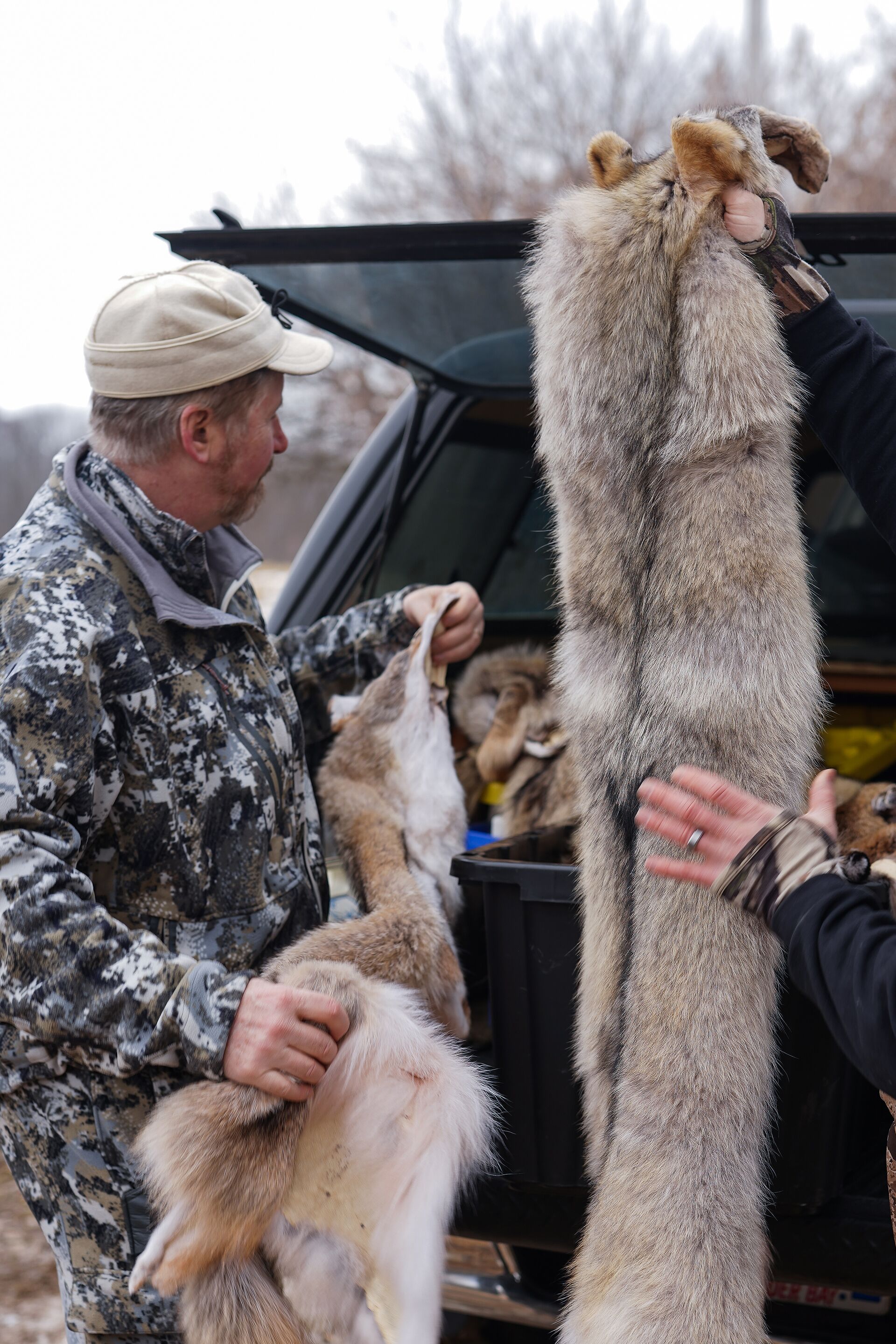
Some trappers also harvest coyotes for their pelts. Depending on the year and current demand, these are sold to the fur industry at prices ranging from $10 to $80.
Essential Coyote Trapping Equipment
Types of Traps
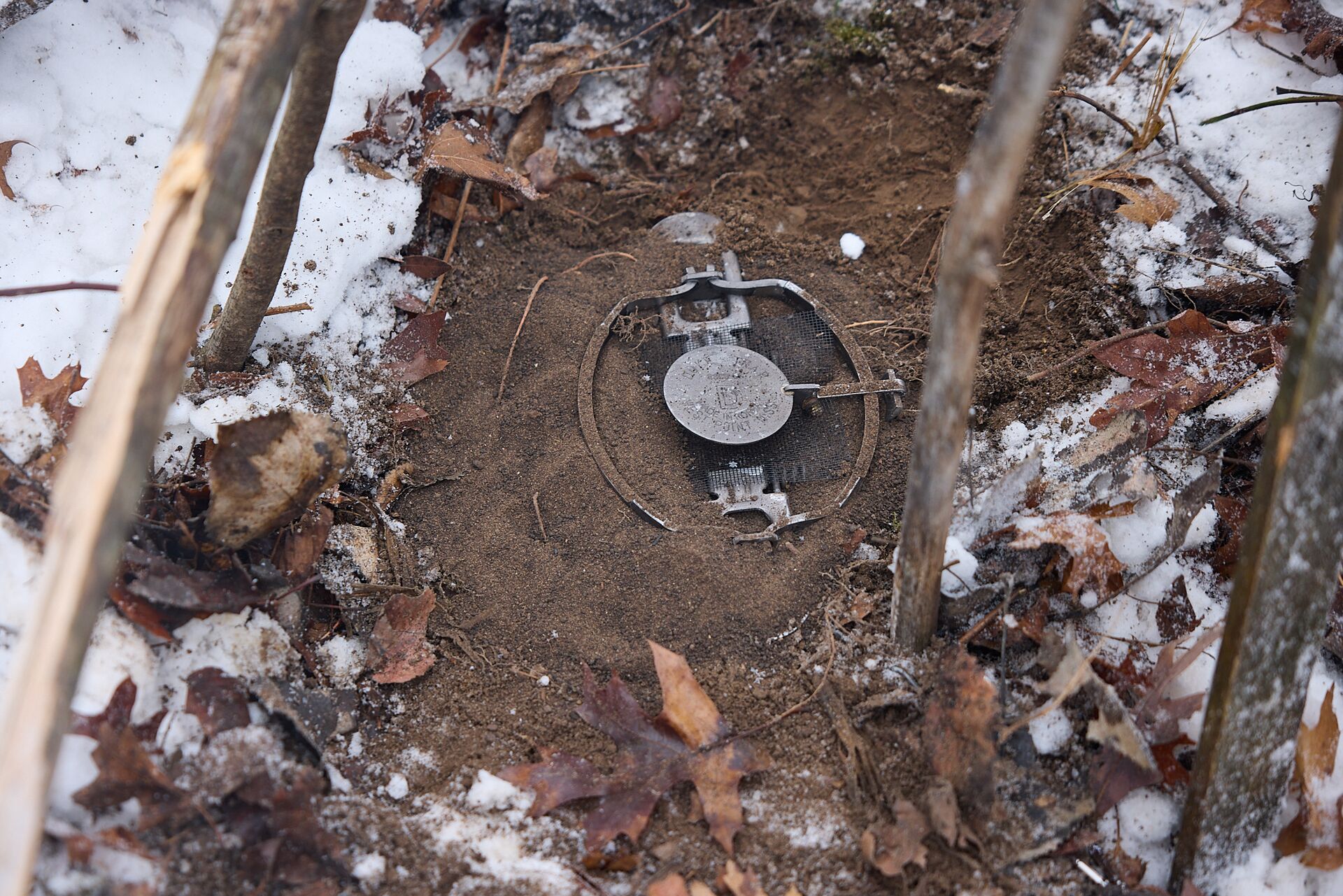
What are the best coyote traps? It depends! A successful coyote trapping operation starts with selecting the right trap:
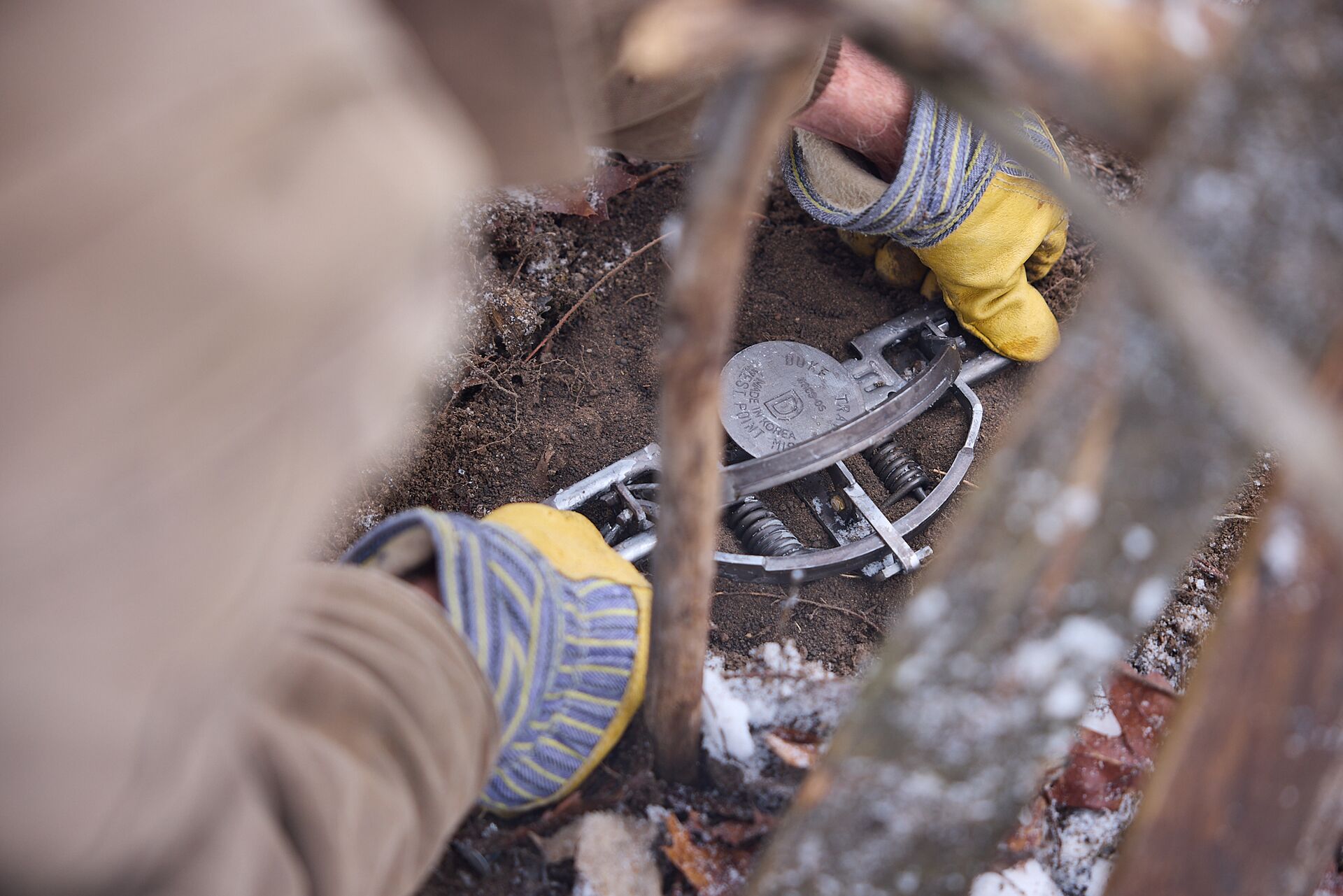
- Foothold Traps: These traps clamp on the coyote's foot when it steps on a trigger plate and keep the animal from moving until the trapper arrives. Start with trap sizes from #2 to #4.
- Snares: Snares are looped cables set along likely paths of travel. The cable tightens around the neck or body as the animal moves through the loop. Due to risk and ethical considerations, many states have strict requirements regarding the use of snares, so check your local game regulations before using snares.
- Body Gripping Traps: While not commonly used with coyotes, body-gripping traps use a spring-loaded frame to close around the torso. These traps must be precisely placed to be effective and are typically used by more experienced trappers.
Choose a trap based on your preferences and what you're comfortable with, but be sure it's also legal to use in your area.

Lures and Baits
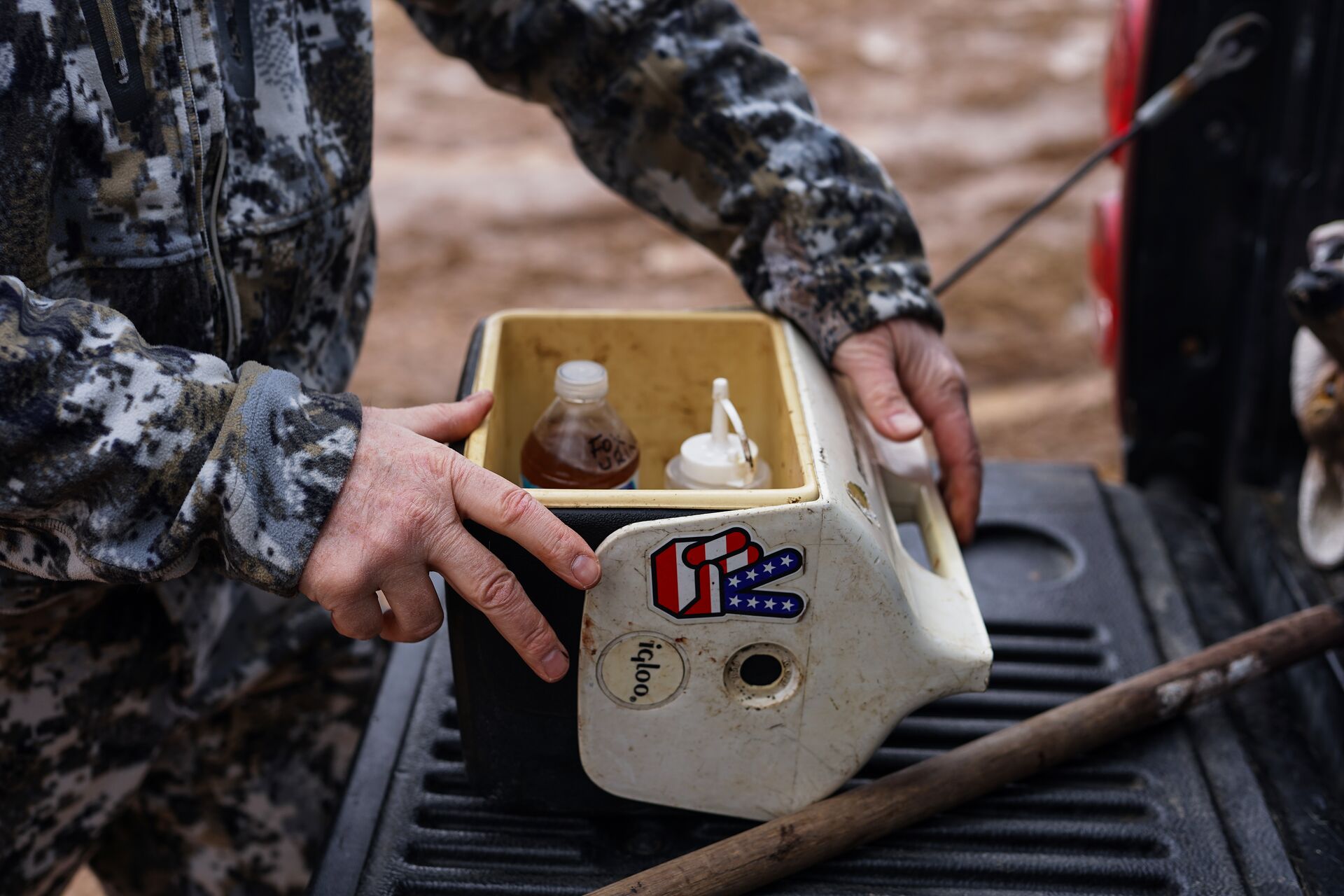
Once you've selected the type of trap, you'll need to get a coyote to come to it. Productive trapping relies on attracting coyotes to the trap's position and the area around it, collectively known as the "set."
There are three main types of lures you'll want to experiment with to see what works best in your area:
- Gland Lures: These are chemical mimics of natural coyote scents. When applied around your trap, this attractant can trigger a territorial response and bring in coyotes that want to find the interloper in their "neighborhood." Gland lures are most effective during the mating season and in areas with established coyote populations.
- Food-Based Lures: Created to smell like a coyote's natural prey, these scents and baits target the predator's hunting instincts. A popular bait is tainted meat or mouse carcasses. These attractants are most effective in the winter when the coyote's natural food sources are in short supply.
- Curiosity Lures: Think of these lures as a mashup of strong scents new to a coyote. A curiosity lure could be a mix of beaver castor, mink glands, and oils that play on a coyote's strong curiosity.
Curiosity lures are effective with younger coyotes or where gland and food lures have not worked.
Types of Sets
How you lay out your trap and the environment around it plays a critical role in convincing a coyote to walk into your trap.
The most common coyote sets are:
- Dirt Hole Sets: This tried-and-true setup mimics a small animal's food cache or den that appeals to a coyote's scavenging behavior. All you need to do is create a 6-inch deep hole and place your bait inside. Conceal your trap nearby in a position to catch the coyote as it investigates the hole.
- Flat Sets: This setup relies more on concealment and strategy in areas where experienced coyotes are wary of common trap locations. Place your trap on flat ground, making it look like a natural part of its surrounding environment. Only use a small amount of lure. You want to increase curiosity without raising suspicion.
- Trail Sets: If you can find a coyote's known travel route, place your trap in natural pinch points where the coyote is most likely to walk through. Allow the vegetation and terrain to guide the coyote to your setup.
Setting your trap is crucial to success, so do it carefully!
How Do You Set a Coyote Trap?
Successful coyote trapping starts with understanding coyote behavior and setting traps carefully, legally, and humanely. Always follow your state's regulations regarding trap types, placement, tagging, and check intervals before heading into the field.
Location is Key
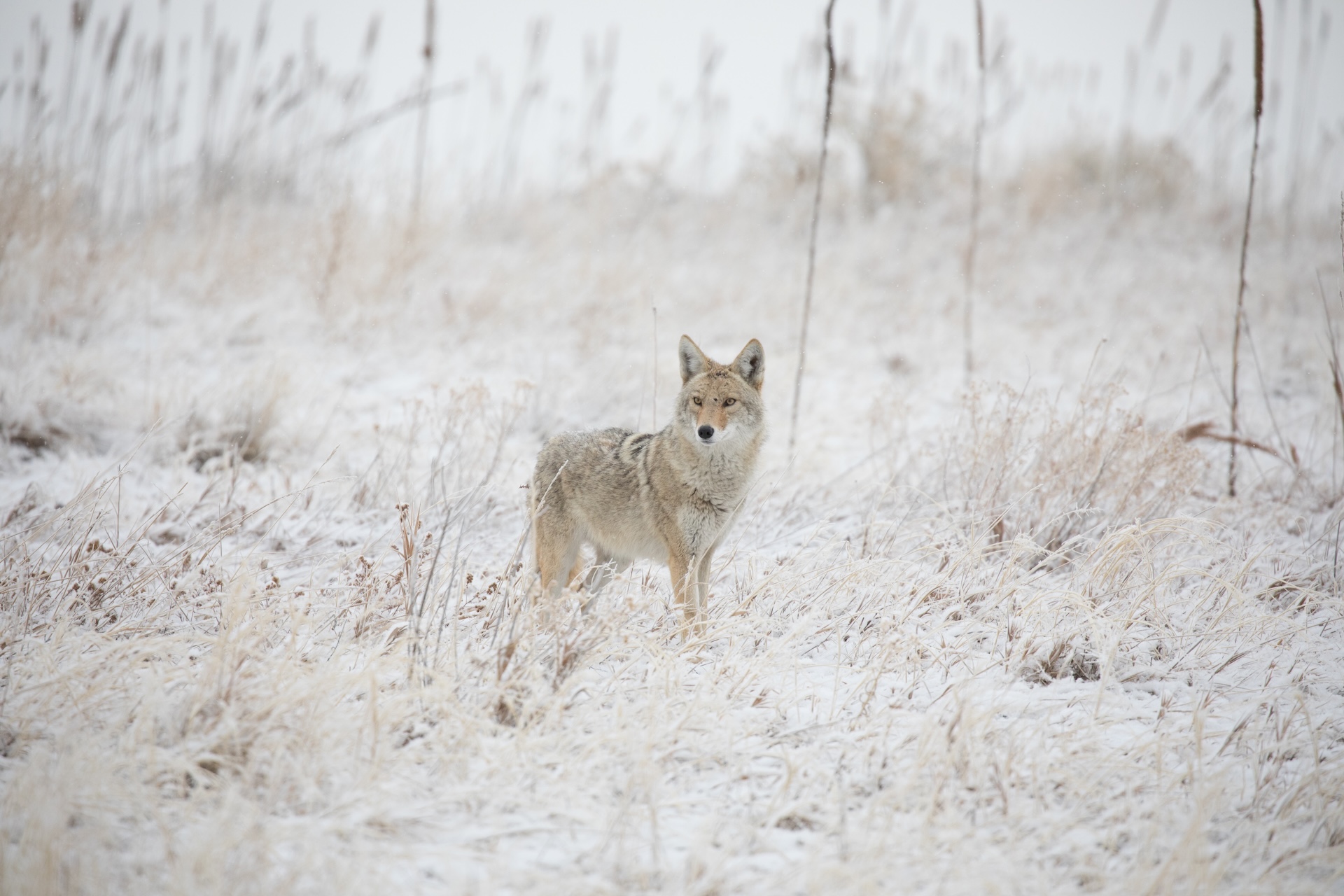
Coyotes are creatures of habit and tend to travel along natural corridors such as fence lines, two-track roads, creek crossings, field edges, and ridge tops. Look for fresh sign (i.e., tracks, scat, or urine posts) to confirm regular use before placing a trap.
Select and Prepare the Right Trap
Use a trap size appropriate for coyotes. A well-tuned foothold trap designed to hold securely without causing unnecessary injury is a great choice.
Before setting, make sure the trap is clean, properly adjusted, and free of strong odors. Many trappers dye and wax traps to protect them from rust and improve performance.
Place the Trap Properly to Improve Catches
Bed the trap solidly so it doesn’t rock or shift when stepped on.
The pan should sit level with the surrounding ground and be lightly covered with sifted soil or local material to blend naturally. Position the trap where a coyote’s foot is likely to land as it approaches the set.
Use Attractants Wisely
Lure, bait, or urine should be used sparingly and placed so the animal naturally steps over the trap to investigate. Overuse can cause digging or avoidance.
Subtle, natural-looking sets often outperform flashy ones.
Anchor Traps Securely (and Check Them Regularly)
A strong anchoring system is essential, especially in hard ground or areas with large animals. Check traps at least once every 24 hours (or as required by law) to ensure humane treatment and to release non-target animals promptly.
Ethical trapping reflects well on all hunters and trappers. Taking the time to set traps correctly not only increases success but also promotes responsible wildlife management and respect for the land.
Coyote Trapping Basics: Tips for Success
The location and every element of your trap setup need to be dialed in if you want to succeed at trapping coyotes consistently. Here are some helpful tips for success when coyote trapping.
Essential Gear Checklist
Never head to your trap line without these tools:
- Metal stakes and trapping pliers to set up and secure your trap
- Masking scent to spray on your boots, clothing, gloves, and tools
- One pair of gloves to handle bait and another pair to use when setting the trap
- Lure applicators or bait holders
- Traps
- Small tool kit to maintain and adjust traps
- Portable shovel
Choosing the Right Location
Equipment aside, understanding coyote behavior, habitat, and food preferences is critical to your trapping efforts.
Focus on:
- Terrain features that create travel corridors
- Water sources that coyotes and their prey regularly use
- Fresh tracks, scat, or territorial markings
- Fence lines, field edges, and transition zones between terrain types
Weather Considerations
Like all animals, coyotes alter their movement patterns based on the weather. Studying the coyote's behavior will help you better understand this relationship and improve your trapping success.
Monitor the forecast and set new traps before an incoming weather system. If you're dealing with wet or frozen conditions, you may need to relocate your traps between major weather changes.
Checking your trap lines daily will help you better understand how the weather affects the coyote's movement.
Checking Traps and Ethics
Being a responsible trapper ensures that animals are treated humanely, wildlife regulations are followed, and the future of the sport is not tarnished.
Many states require that you check your traps daily. That way, you can quickly dispatch an animal to avoid unnecessary suffering if it is caught. Also, use the correct trap size to minimize injuring or maiming the coyote.
Follow all regulations regarding the types of traps and baits you can use. These rules can vary widely by state and year to year. Check the laws before setting any traps on public or private land, and know if you need a permit to trap coyotes. Some states require specific trapping permits for coyotes.
Always get the landowner's permission before placing traps on private property.
Successful Coyote Trapping Starts with Hunter Education
Unfortunately, new trappers will spend more time finding empty traps than those holding coyotes—but don't get discouraged.
Figure out why a coyote might have walked near your trap but not found it. Or why did the coyote investigate your setup, but the trap wasn't triggered? Use an empty trap as an opportunity to gain new insights and opportunities to adjust and refine your trapping skills.
Most importantly, make sure you've completed a state-specific hunter education course before you set your first trap or head out for a hunt. Our courses here at ilearntohunt.com include comprehensive training on hunting, first aid, conservation, and field skills to help you become a more effective and ethical hunter or trapper.
Plus, our course is fun! Presented in a game-like format, you'll enjoy learning the information required by your state to become a legal hunter while earning your certification.
Hunt and trap legally in your state this season!

Frequently Asked Questions (FAQs)
We have answers to the top questions about coyote and predator trapping tips!
Q: What is the best bait for trapping coyotes?
A: There’s no single “best” bait for trapping coyotes. Coyotes respond well to a mix of natural food-based baits (meat, gland-based baits) and subtle lures that trigger curiosity or territorial behavior. Freshness and proper placement matter more than brand or type.
Q: What is a coyote’s weakness?
A: A coyote's weaknesses include curiosity and routine. Coyotes are cautious but habit-driven. Regular travel routes, scent posts, and territorial instincts often bring them back to the same locations.
Q: What are the most common mistakes in trapping coyotes?
A: Common coyote trapping mistakes include poor location choice, unstable trap bedding, too much human scent, overusing lure or bait, and failing to adjust sets based on sign and conditions.
Q: Why am I not catching coyotes in my traps?
A: If you're not catching coyotes in your traps, it usually comes down to location, timing, or setup. Coyotes may not be traveling where the trap is placed, may be detecting something unnatural, or may already be pressured by other trappers or hunters.
Q: What is the best month to trap coyotes?
A: Late fall through winter are generally the most productive months to trap coyotes, when fur quality is high, and food is scarcer. Exact timing depends on local regulations, weather, and coyote behavior in your area.