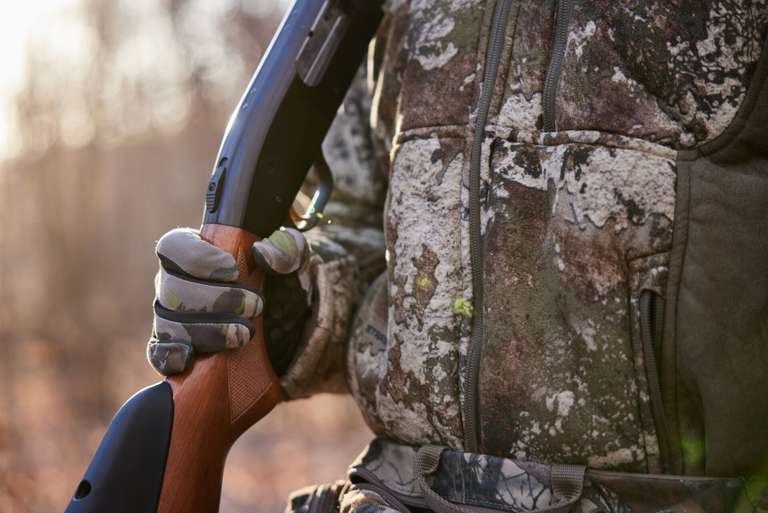
Tree Stand Safety Tips for New Hunters
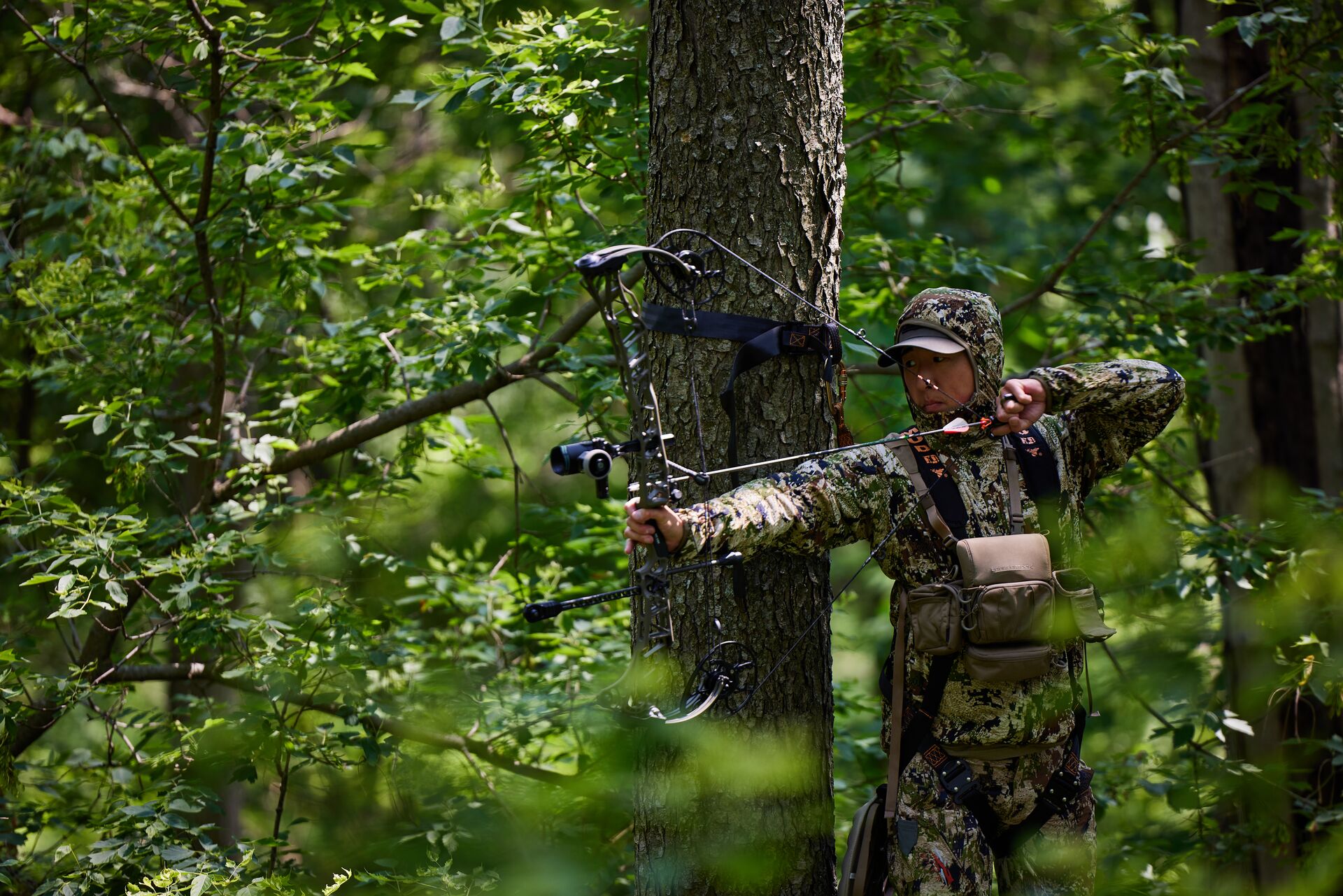
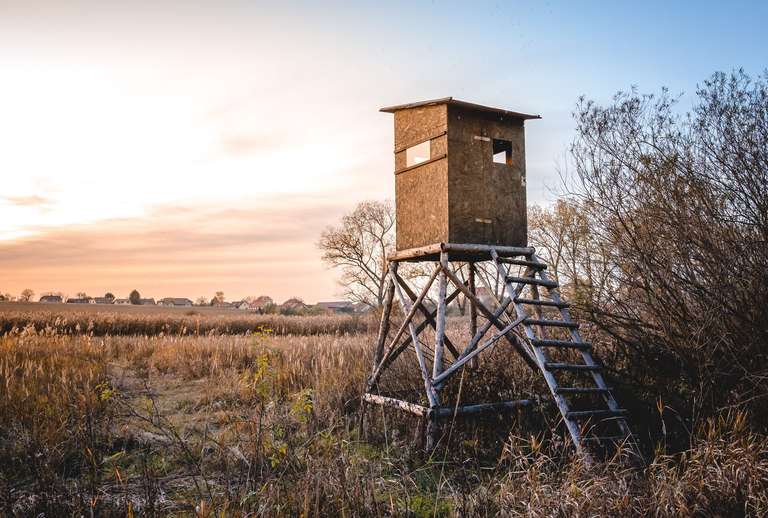
Hunters falling from elevated tree stands are among the most frequent and serious injuries in the field. They are also the most preventable. That’s why tree stand safety should be a top priority for new deer hunters before they take to the woods this fall.
Without a full-body fall-arrest harness, a hunter who falls from an elevated position (whether climbing up to the stand, sitting in the stand, or climbing down from the stand) faces potentially life-threatening injuries. Safety should start before your feet ever leave the ground.
For that reason, tree stand safety is a required topic in hunter education courses, and ilearntohunt teaches it through scenario-based decisions instead of a simple checklist for hunters to memorize. Let’s take a closer look at what you need to know about elevated hunting and tree stand safety so you can build the correct safety standards and practices when hunting from elevated positions.
Why Tree Stand Safety Matters
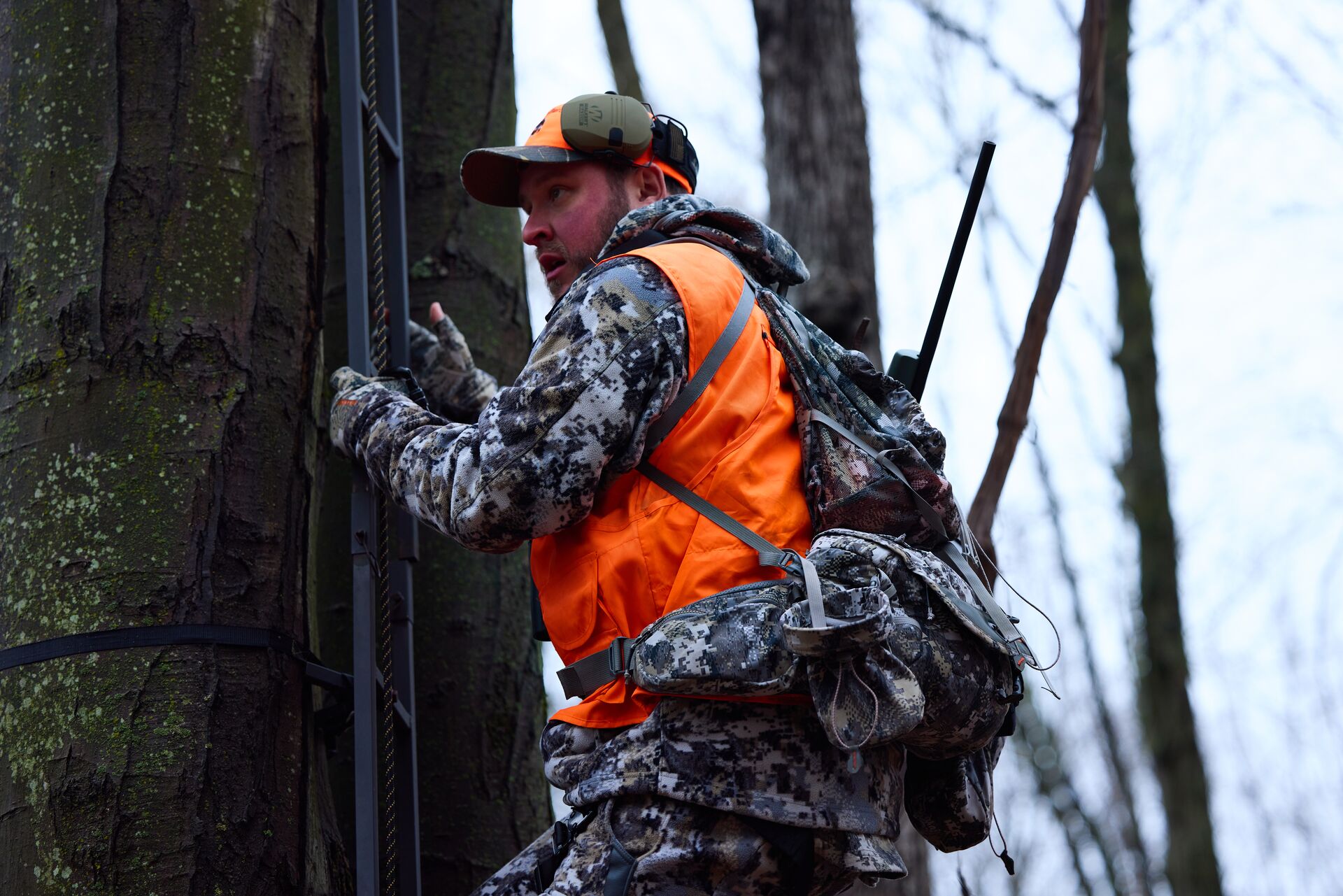
A common myth is that most hunters are injured when they fall out of tree stands. In fact, many fall when ascending and descending, as well as climbing into or out of the stand. That’s why you should wear your harness throughout the elevated hunt, not just when you’re on the stand.
The Wisconsin Department of Natural Resources stresses the importance of wearing a full-body harness at all times, staying connected to the tree with a tether when in the stand, and using a lifeline when climbing up or down the tree.
While a tree stand can be an effective hunting tool for whitetails, hunters must understand the risks of hunting from elevated positions and follow the same safety fundamentals every time they use one.
When Do Hunters Use a Tree Stand?
Hunters often favor tree stands when hunting whitetail. As newer hunters learn hunting fundamentals, one of the first lessons is avoiding detection. Getting off the ground helps the hunter stay above the deer’s normal sightline and also slightly reduces the chances of the deer detecting human scent, as long as the stand is placed correctly with regard to prevailing winds.
Tree stands are also frequently used in early archery and muzzleloader seasons when tree foliage can still provide adequate cover. Plus, deer movement is also more predictable earlier in the season before they’re pressured. Unpressured deer tend to stick to the same food sources, field sources, and game trails, so hunters can select a strategic location for their tree stand.
Late season hunts during the rut are also excellent opportunities to hunt from a tree stand. Since bucks typically move during the day and can be more careless, hunters may have better luck setting up near natural funnels, pinch points, and trails where deer movement concentrates.
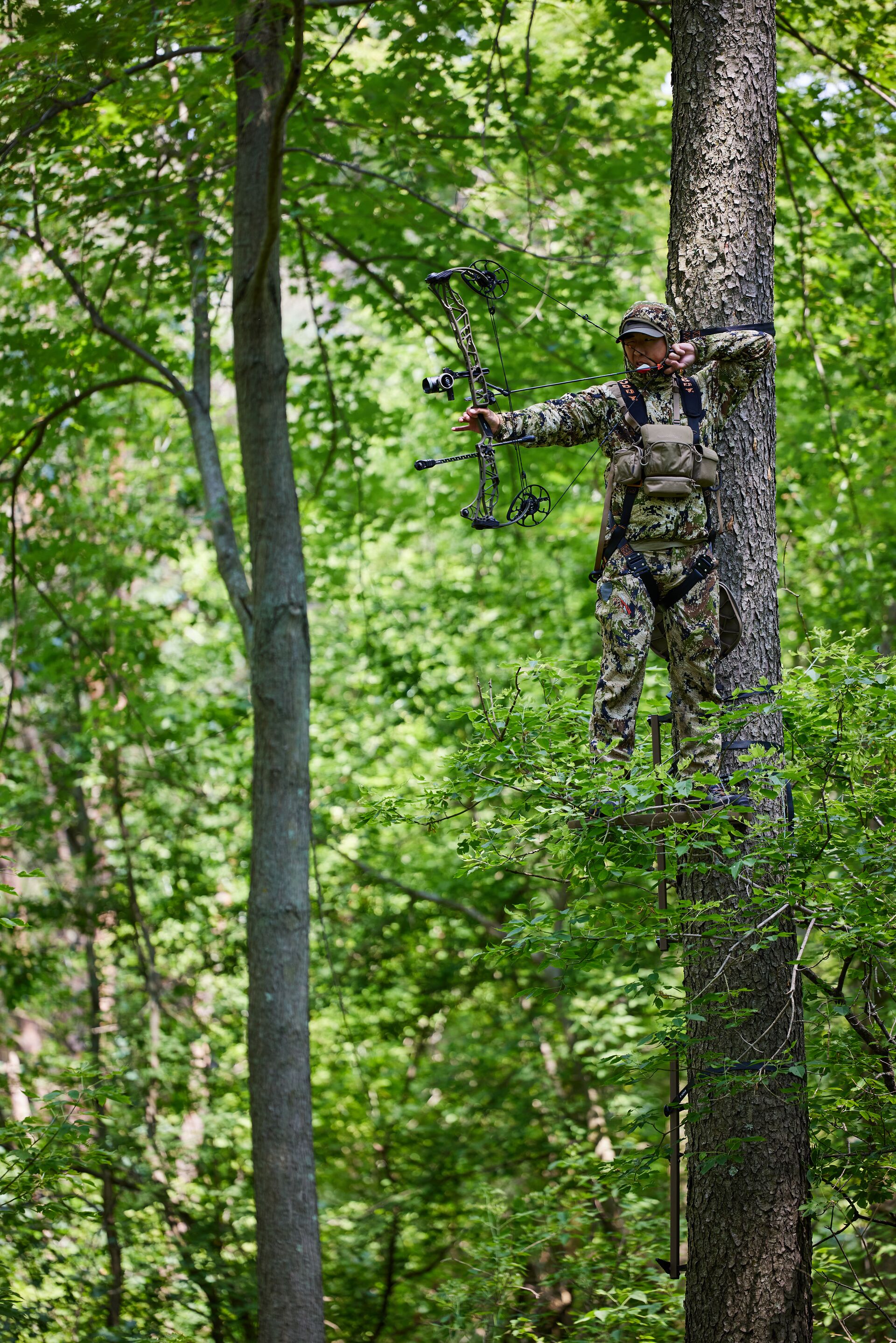
However, late-season pressure also affects animal movement and pushes deer into bedding areas and lower-pressure travel routes. In these situations, setting up tree stands closer to food sources may be the smart play.
Tree stands are not limited to whitetail hunters. Some turkey and black bear hunters prefer to use elevated blinds or stands to set up ambush spots. If legal, black bear hunters will set up a tree stand near a bait site to better control shot angle and distance.
Regardless of the species you hunt from an elevated position, tree stand safety fundamentals remain the same. Once you leave the ground, your margin for error disappears.
How to Stay Safe Using a Tree Stand
Proper tree stand safety begins before your first foot leaves the ground. Follow these tree stand safety tips and add them to your hunting safety checklist for every elevated hunt.
- Complete your state’s hunter safety certification. Start with the fundamentals and earn your hunter education certificate through ilearntohunt, where tree stand safety is a core topic in the required course material.
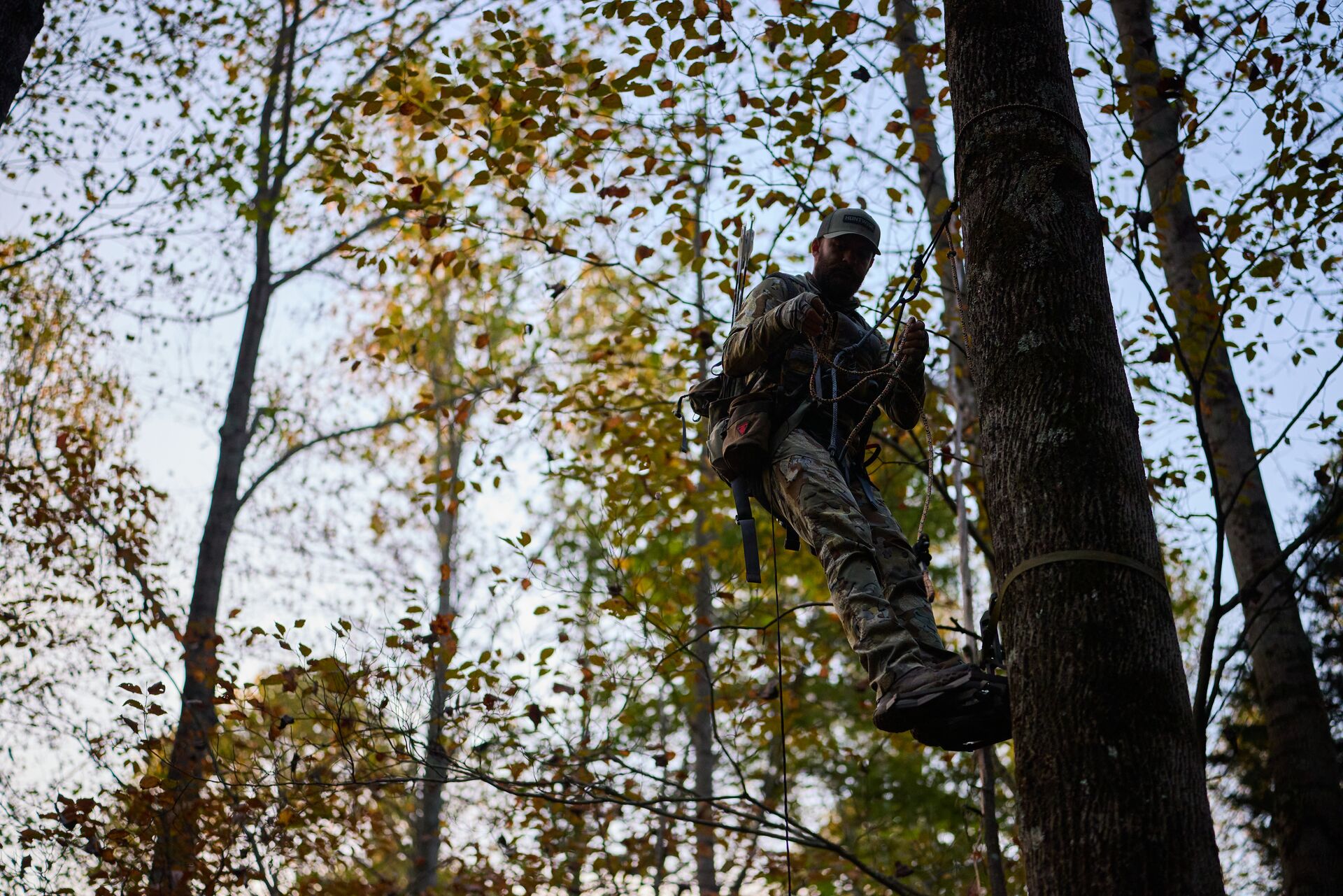
- Wear a full-body fall-arrest harness when using a tree stand. Before you start climbing the tree, put on the harness and double-check that all straps are secured. Stay connected to the lifeline while climbing and descending, and remain tethered once you’re in the stand.
- Inspect the stand before every use. Precipitation, temperature, and regular use can degrade a stand over time. Before you use the stand, always check straps, steps, welds, fasteners, cables, and the platform for wear, cracking, fraying, or loose connections.
- Use a haul line for your gear. Keep three points of contact on the tree while climbing and descending. That means you’ll need to raise and lower your equipment, weapon, and pack with a haul line.
- Attach your harness to the tether before stepping onto the platform. Always connect your harness tether to the tree before you step off the ladder or climbing stick and onto the stand.
- File a hunt plan with a family member or close friend. Always tell a trusted contact where you’re hunting, where you’ll park your vehicle, and when you expect to return. Your hunt plan should also include how high your tree stand will be and a time window for when they should contact help if you have not returned or communicated with them. You should also include contact information for local emergency personnel in the area you’ll be hunting.
Following these tree stand hunting safety steps takes only a few minutes but can significantly reduce the risk of a lifetime of serious consequences from a bad fall.
Tree Stand Safety Checklist Before Every Hunt
Your tree stand is more than just a hunting platform. It's critical safety gear, and you should treat it as such. Don’t just give it a once-over at the beginning of the season. Follow this pre-hunt checklist to make tree stand hunting safety a priority.
Tree Stand Safety Checklist | |
Check | Action |
Stand condition | Inspect straps, welds, and steps for wear or rust |
Harness | Put on before feet leave ground. Check for wear. |
Lifeline | Continuous attachment rope from base to stand |
Haul line | Attach to unloaded firearm before climbing |
Hunt plan | Filed with contact including GPS location and return time |
Phone | Fully charged and within reach while in stand |
Of course, this checklist only works if you use it and it becomes part of your pre-hunt routine. Just like how a pilot runs through a checklist before starting the engines, make your tree stand safety walkthrough a habit.
Non-Negotiable Tree Stand Safety Rules
Personal preference has its place in hunting tactics, clothing, and equipment, but it doesn't apply to tree stand safety. Follow the rules every time you take a tree stand into the woods. No exceptions apply based on the hunter’s age, experience, the weather, or how many times you’ve used the stand without incident.
- Always wear a full-body fall-arrest harness. Once you get to the tree, put on your harness and keep it on from the ground to the stand and back again.
- Never carry your gear while climbing. Keep your hands free for climbing, and use a haul line to raise and lower weapons, packs, and other equipment.
- Inspect your tree stand before every hunt. Even if you used the stand last weekend, always run through the safety checklist we shared earlier.
- Always use a lifeline or continuous attachment system. Make sure you’re connected to a safety line or the tree when climbing to and from the stand.
- File a hunt plan every time with a trusted contact for each hunt. Share the location(s) you’ll be hunting from, expected return time, and emergency contact details for the area you’ll be hunting.
Most tree stand accidents have a common thread: inconsistent safety checks. Hunters trust the stand works because it did last time, but they miss a loose connection, skip a harness for an “easy” climb, or skip steps on the safety checklist.
Because accidents can still happen, always carry basic first aid and emergency supplies, and know how to use everything in your kit. You will need to be your own first responder until professional help can arrive.
Make Sure Safety Comes First, Every Climb
Standard tree stand safety protocols should be non-negotiable for every elevated hunt. Whether you’re using a fixed stand that was set up at the beginning of the season or a temporary one you brought for the day, always use a full-body harness, haul line, lifeline, tether, and complete the tree stand safety checklist on every hunt.
You can have 10 perfectly safe hunts from a tree stand, but one mishap can ruin a season or end in a fatality. Nearly all tree stand accidents are preventable if hunters prepare themselves and their equipment correctly and consistently follow the same safety protocols. Proper hunter education, like that offered by ilearntohunt, gives new hunters the foundations for those critical skills and safety habits.
After all, hunting can be an extremely rewarding and enjoyable outdoor pursuit. Why risk not being able to enjoy it for a lifetime? Make your tree stand hunt goal simple: safely return to the ground at the end of every hunt, every season.
Start by taking the hunter safety course for your state to learn about tree stand safety and more.

Frequently Asked Questions (FAQs)
Q: What is the leading cause of serious hunting injuries?
A: Falls from tree stands are a leading cause of serious hunting injuries, particularly among hunters who use elevated stands. The Pennsylvania Trauma Systems Foundation, for example, recorded 1,229 tree stand falls between 1990 and 2017 (the leading cause of deer hunting accidents), according to a 2022 study published in Southern Medical Journal.
Q: When should you put on a fall-arrest harness when using a tree stand?
A: Put on your full-body fall-arrest harness before leaving the ground and keep it on throughout the climb, while you're in the stand, and while descending. You should remain connected to the tree or a lifeline throughout the process.
Q: Does hunter education cover tree stand safety?
A: Yes. Tree stand safety is commonly included in hunter education, although course requirements and content vary by state. Hunter education programs address practices such as using a safety harness, maintaining three points of contact, and safely raising and lowering equipment.
Q: How high is too high for a tree stand?
A: There is no universal maximum height for a tree stand. The appropriate height depends on the stand, tree, terrain, cover, and the manufacturer's instructions. Going higher can increase the consequences of a fall, so choose a height that provides the needed hunting position without unnecessary elevation.
Q: What should a hunt plan include for tree stand hunters?
A: Tell a trusted person where you'll be hunting, where your vehicle will be parked, and when you expect to return. It's also helpful to provide your stand location and information that could help someone find you or contact emergency services if you don't return as planned.
Q: What should you do if you fall while wearing a safety harness?
A: Stay calm and try to recover to the stand or another secure position if you can do so safely. If you're suspended, use a suspension-relief device or push against the tree and move your legs to reduce pressure from the harness while you call for help. Carry a phone or other emergency signaling device where you can reach it after a fall.
Q: Is a lineman's belt necessary in addition to a full-body harness?
A: It depends on the type of stand and how you're using it. A lineman's belt is a positioning aid used with a full-body harness when climbing or installing certain stands, particularly hang-on or fixed-position stands. It keeps you connected to the tree while you keep both hands free for setup. It does not replace the full-body fall-arrest system.