Hunting Techniques for Beginners
The first few steps on your hunting journey may feel overwhelming. There's a lot to consider when learning about the equipment, clothing, and skills you need to be successful in the field.
However, if you focus on learning basic hunting terminology and mastering the essentials of proper hunting techniques, you can have a bright future as a hunter. These skills help you create a foundation that you can build on season after season.
Let's look at some of the most important techniques to learn as a new hunter.
What Are the Best Hunting Techniques for Beginners?
Even though you'll develop your own style and preferences over time, these fundamental hunting techniques will never change. Consider the following tips for hunters as the building blocks of your hunting tactics and strategies.
Stand Hunting (Tree Stand or Ground Blind)
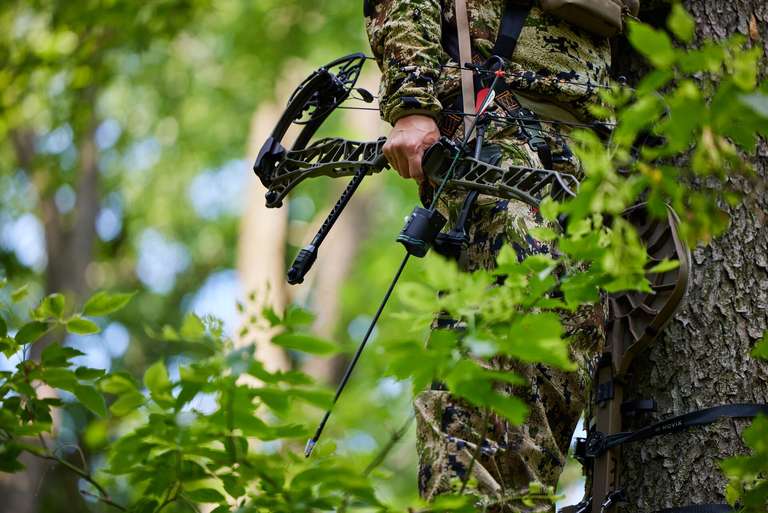
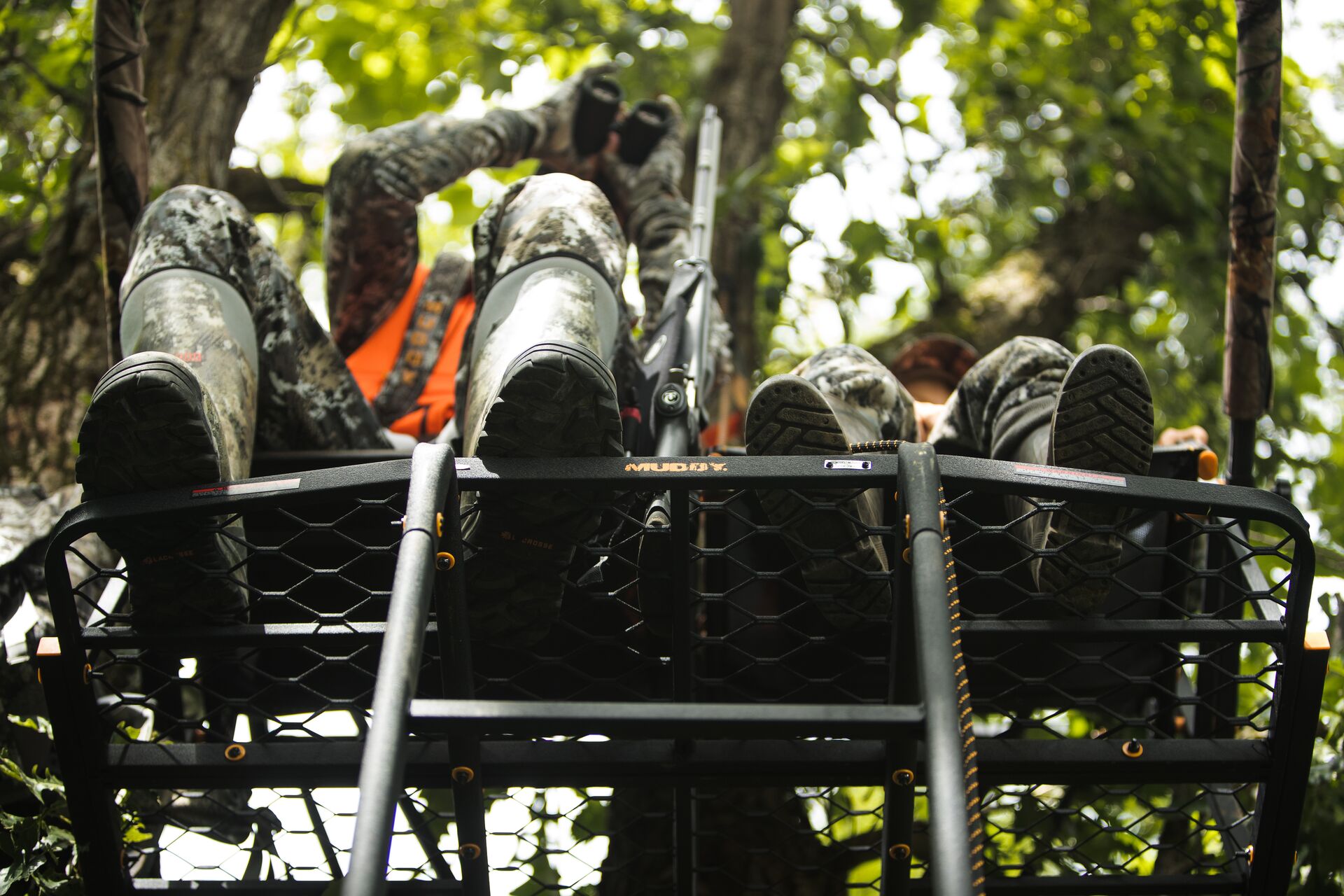
New hunters may find success hunting from a ground blind or tree stand. By staying still in a hidden position, you can reduce your noise and scent signature, improving your chances of animals naturally moving into a shooting lane.
For the best odds, set up near game trails and feeding areas. When hunting from elevated positions, be smart and follow tree-stand safety measures.
Still Hunting (Slow Stalking)
"Still hunting" is a bit of a misnomer, as it actually involves slow, deliberate movement. This technique is an outstanding way to improve your awareness and patience.
When still hunting, take a few steps, stop, listen, and scan for movement. Breathe, and scan again. Then repeat that cycle, always being mindful to keep the wind in your face and to use natural cover to conceal your movement.
Spot-and-Stalk
Spot-and-stalk involves using binoculars or a spotting scope to find game at a distance. Once you've spotted the animal, you'll need to close the gap by using terrain features for concealment and remaining downwind of any prevailing wind and thermals.
Spot-and-stalk is one of the best hunting techniques for pursuing big game in open terrain.
Hunting Food Sources
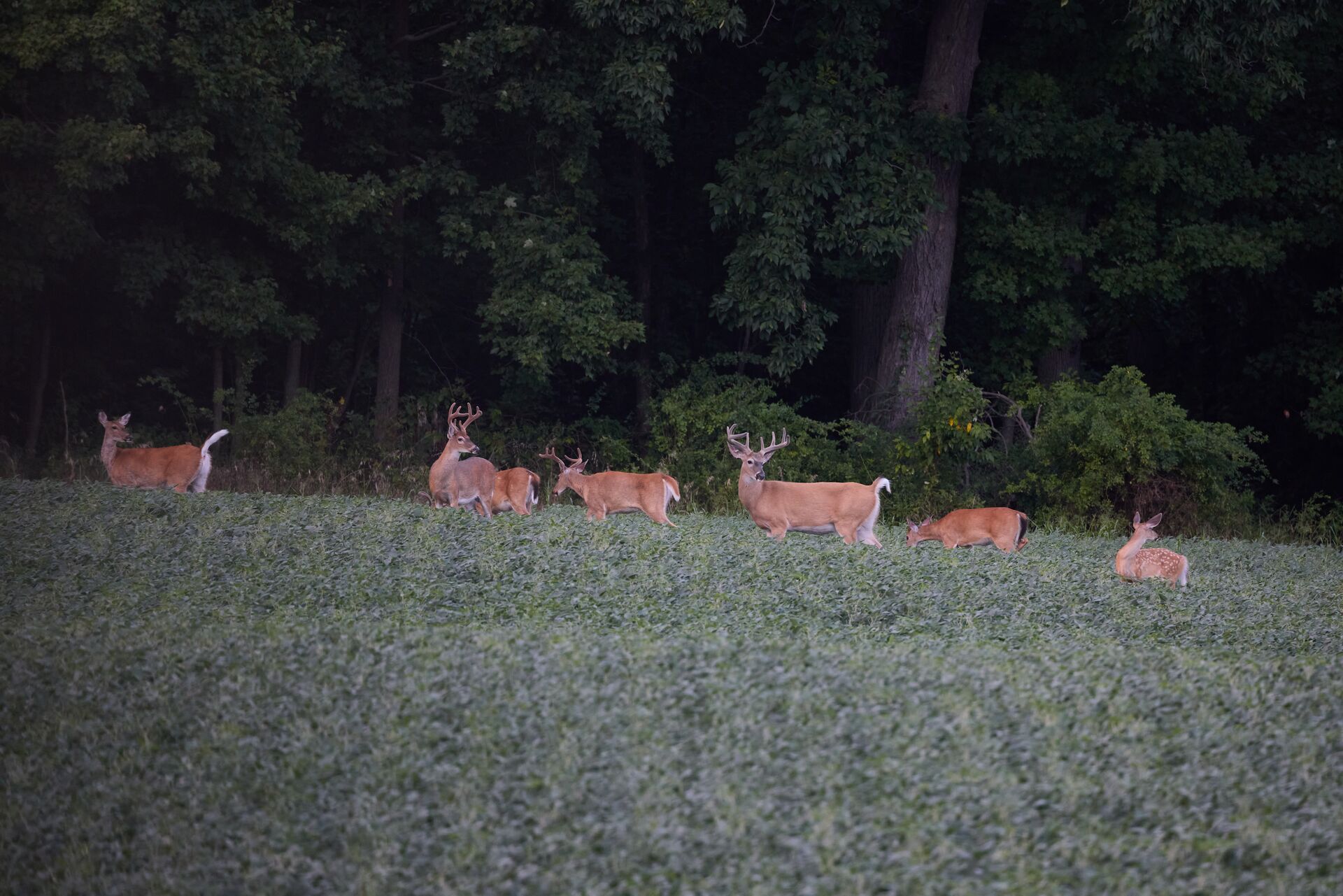
Find food plots, crops, and water sources, then position yourself along the animal's feeding pathways.
Small Game Hunting
Small game can be ideal hunting for beginners. Rabbits, squirrels, and upland game such as pheasants, doves, and quail can provide more frequent opportunities to practice patience, marksmanship, and fieldcraft.
Pursuing these smaller animals will teach you to move quietly, observe wildlife behaviors, and make ethical shots—all transferable skills if you decide to pursue larger game.

Patterning Deer Trails
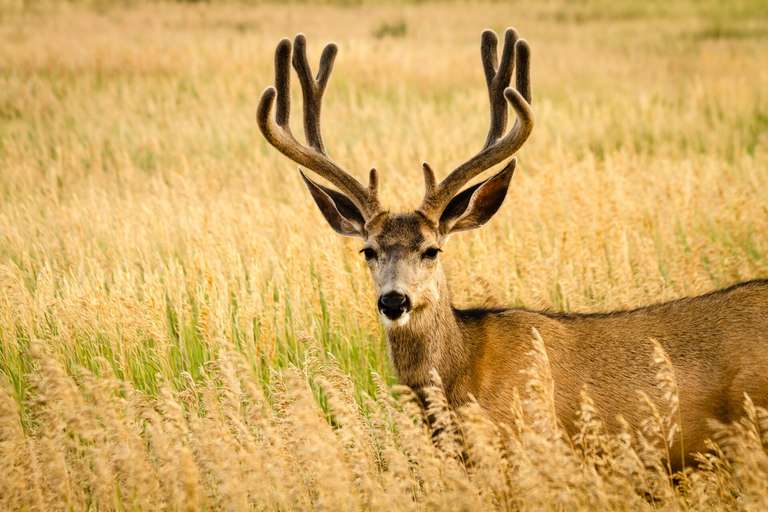
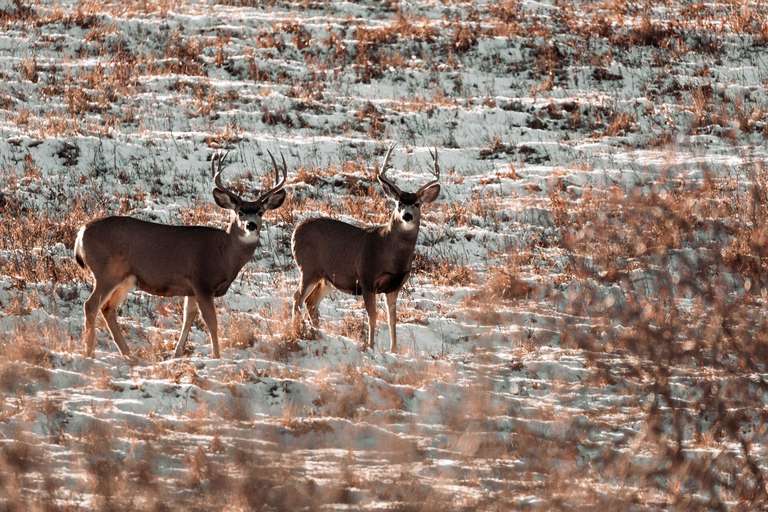
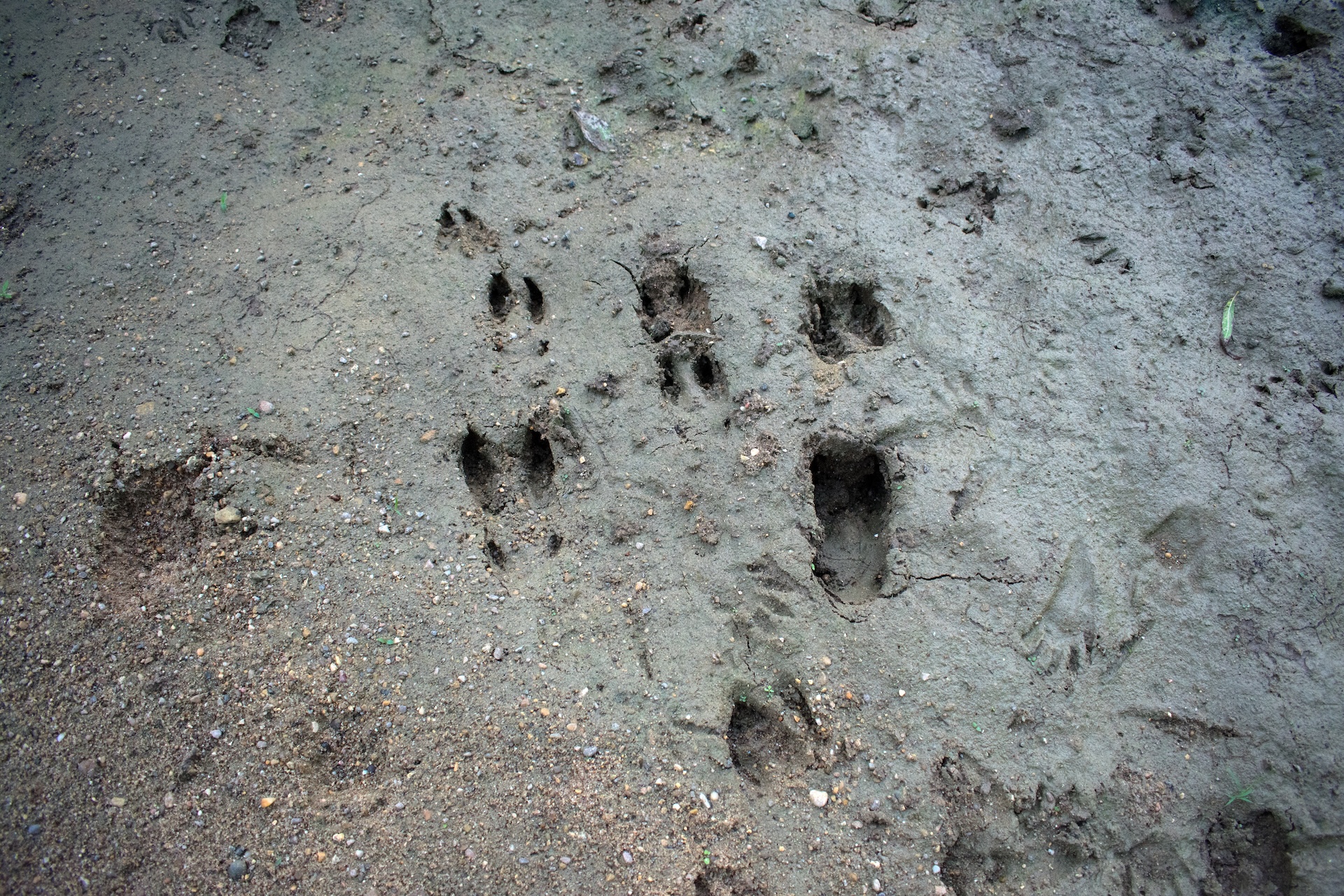
Mule deer and whitetails are creatures of habit. Look for game trails with deer tracks that connect bedding and feeding areas, as well as rubs and scrapes left by bucks. Set up a tree stand or ground blind to ambush game along these travel routes, or still hunt parallel to these trails to intercept the deer.
Calling and Attractants
Deer, elk, turkeys, and waterfowl communicate through a variety of vocalizations, sounds, and smells. If you can mimic those, you can lure an animal within shooting range.
You can use calls to attract the attention of certain animals, such as deer, or even engage in conversations with turkeys. Most animals are not chatterboxes, so take a minimalist approach to calling. You can also use attractants such as buck urine or doe estrus to entice bucks to your location.
Using Wind and Scent Control
For most animals, their nose is their first line of defense. That's why you should do your best to hunt downwind from where you anticipate the game will be.
Ensure your clothing, including undergarments, is washed with scent-free detergent. Avoid deodorants, shampoos, and soaps with fragrances, and consider using scent-eliminating sprays.
For early-season hunts, be mindful of insect repellent, as deer can smell bug spray.

Early Morning and Evening Hunts
Nearly every game animal will be active during the "golden hours" around dawn and dusk. These prime hours enable animals to feel safer while moving in low-light conditions.
Ensure you're in your hunting spot before first light and at least 90 minutes before sunset. Every state publishes a list of legal shooting times based on local sunrises and sunsets, so make sure you know these cutoffs before heading to the field.
Mentorship or Guided Hunts
Improve your hunting learning curve by spending time in the field with an experienced mentor. Someone familiar with your area and the animal's behaviors can show you rubs and scrapes, tracks and movement patterns, and even calling techniques. You can also learn about fieldcraft, safety, and proper firearms handling.
A valuable but more costly option is to hire a guide. Guided hunts offer remarkable learning opportunities, and they may help you dramatically increase your chances of harvesting game.
Remember: No matter which techniques you apply as you learn to hunt (and as you become a seasoned hunter), safety must be a priority!
How Do You Track Deer Effectively?
A critical component of being an effective deer hunter is having a well-honed set of tracking skills to identify how deer are moving. For the best results, start with fresh tracks: look for prints with sharp, defined edges in moist soil.
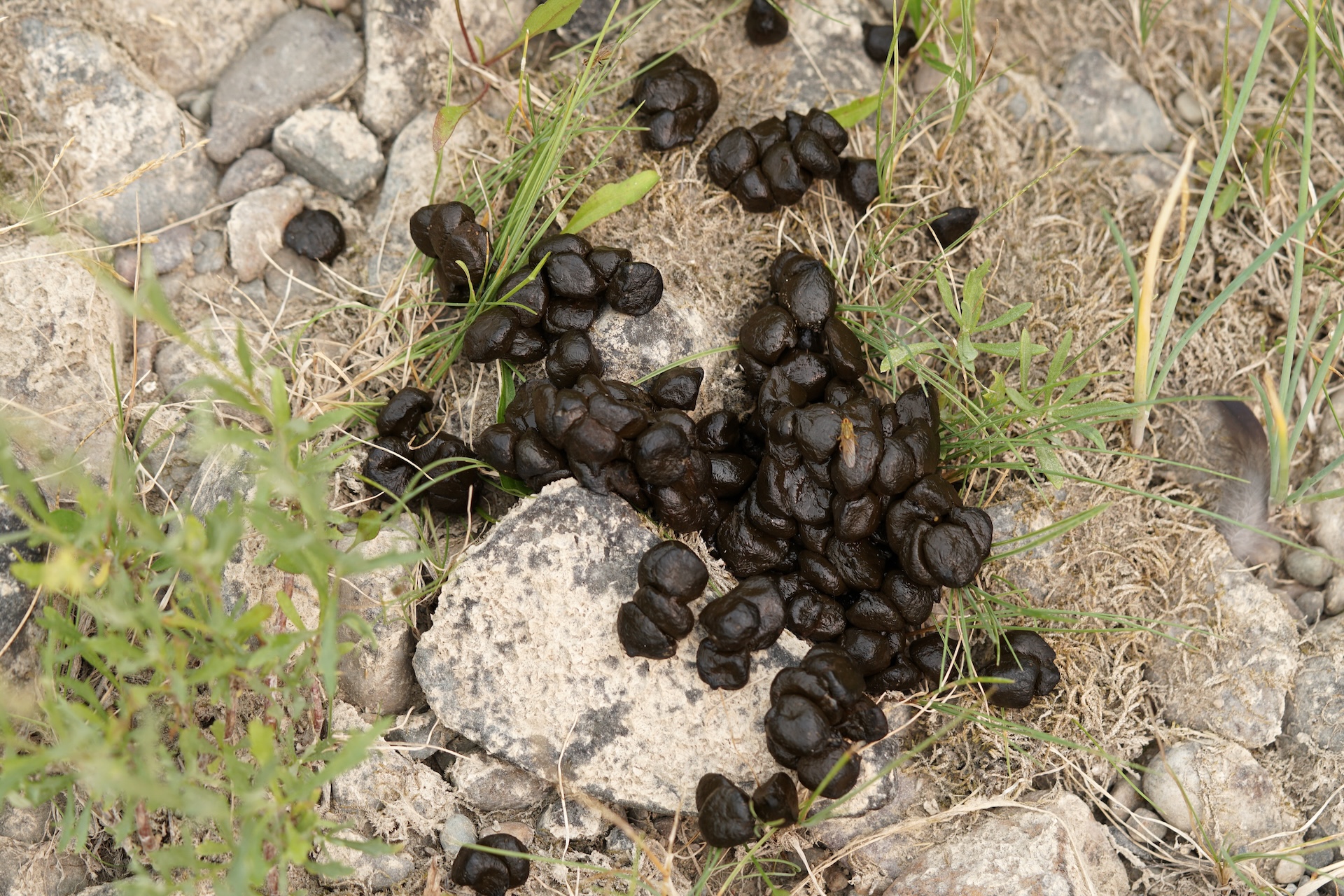
- Look for droppings, rubs, scrapes, and broken branches along the trail.
- Observe the direction and spacing of the tracks to determine whether the deer was walking or running (indicated by a larger space between prints).
- Search for bedding and feeding areas connected by trails.
- Move slowly and quietly while scanning for small movements such as ear flicks or tail twitches.
- Monitor the wind, and stay downwind of where you're going to keep your scent from blowing ahead.
With these tips, you can develop a better understanding of how deer think, travel, and behave.

What's the Difference Between Still Hunting and Stand Hunting?
Both still hunting and stand hunting can be outstanding tactics for novice hunters. Though each has its advantages and disadvantages, they differ in how they bring an animal within your effective shooting range.
Still hunting requires you to move toward the animal, while stand hunting requires the animal to move toward your concealed position.
The still hunting technique is most effective when you can travel lightly with dense cover and damp ground to conceal your footsteps (a slight wind can also be helpful here, as it may hide the noise you make). Since you'll be moving slowly and stopping often while still hunting, you'll develop a keen eye for animal signs as you improve your patience and fieldcraft.
Stand hunting also requires patience, namely when setting up ambushes along game trails and near food and bedding areas.
Working from stands is ideal for beginner hunters, as it puts you in a perfect position to spot deer passing by your stand or blind. However, you'll also need the focus and endurance to remain motionless for hours at a time.
Learn More About Hunting for Beginners with a Hunter Safety Course
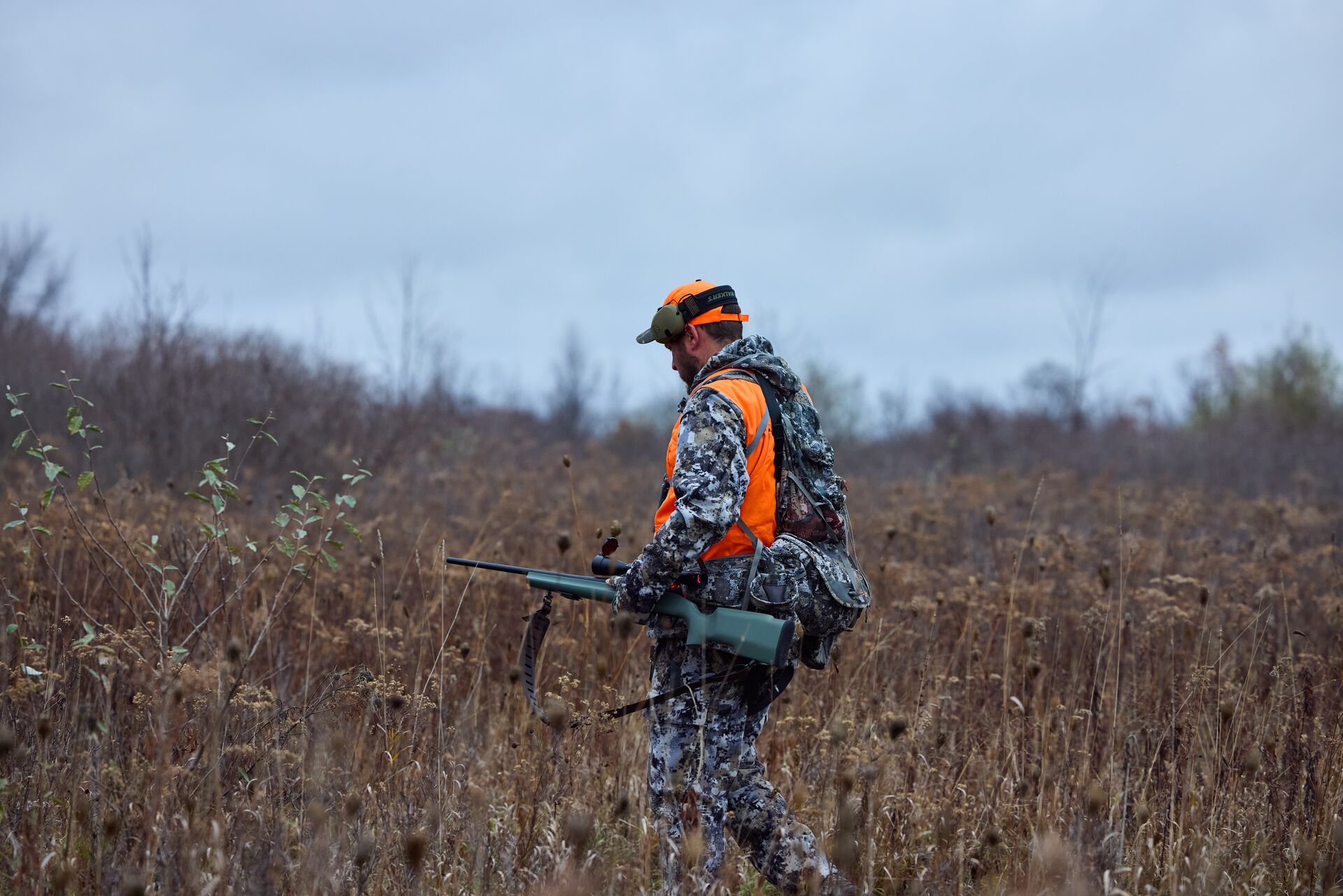
If you feel intimidated by the idea of learning all these hunting techniques, start small. Begin with easy hunts under the guidance of a mentor or professional guide, focusing on observation more than action. Don't expect to bag a trophy buck during your first day in the field.
Out of all of the tips for hunters we shared today, the best tip is to start your hunting journey by taking a hunter education course. ilearntohunt delivers a fun and fast way to learn the essentials of hunting. Each state-specific course provides a wealth of knowledge about hunting techniques, game behavior, safety protocols, hunting ethics, and game processing.
Plus, our course helps you meet the hunter education requirements for your state. Most states require hunters to pass a hunter safety course and carry a certification before they can hunt.
Don't have your certification yet? Get it soon to hunt legally and safely!

Frequently Asked Questions (FAQs)
We have answers to the top questions about hunting techniques for beginners.
Q: What is the easiest hunting method for beginners?
A: Most newcomers start with stand hunting (tree stand or ground blind). It keeps you still, reduces noise, and lets the animals come to you.
Q: How do you track deer effectively?
A: To track deer effectively, look for fresh tracks, droppings, rubs, scrapes, and travel corridors, then move slowly with the wind in your face. Early morning and late afternoon are prime times.
Q: What’s the difference between still hunting and stand hunting?
A: Still hunting means moving very slowly through the woods while scanning for animals. Stand hunting means staying in one spot and waiting.
Q: How do you read animal signs in the woods?
A: When reading animal sign in the woods, pay attention to tracks, scat, feeding marks, bedding areas, and trail patterns. Fresh, sharp-edged tracks or moist scat suggest recent activity.