How to Start Bowhunting: A Beginner's Guide

Humans have been using bows to launch sharpened sticks at animals for nearly 70,000 years. Before modern firearms came on the scene, hunters relied on their skill, fieldcraft, and patience with a bow to harvest wild game.
If you want to test yourself and find out how to start bow hunting, know that the learning curve can be steep. But by mastering one of hunting's oldest tools, you can experience the satisfaction of a close-proximity hunt that only archery can provide.
Keep reading as we walk through the basics of beginner bow hunting!
What are the First Steps in How to Start Bow Hunting?
Bow and arrow hunting for beginners can feel overwhelming. The key is to focus on one step at a time and to be patient.
- Start with a quality hunter education course. Nearly every state requires new hunters to complete a certified hunter education or hunter safety course before purchasing a hunting license. Courses will cover safety, conservation, basic field skills, ethical hunting practices, and local regulations.
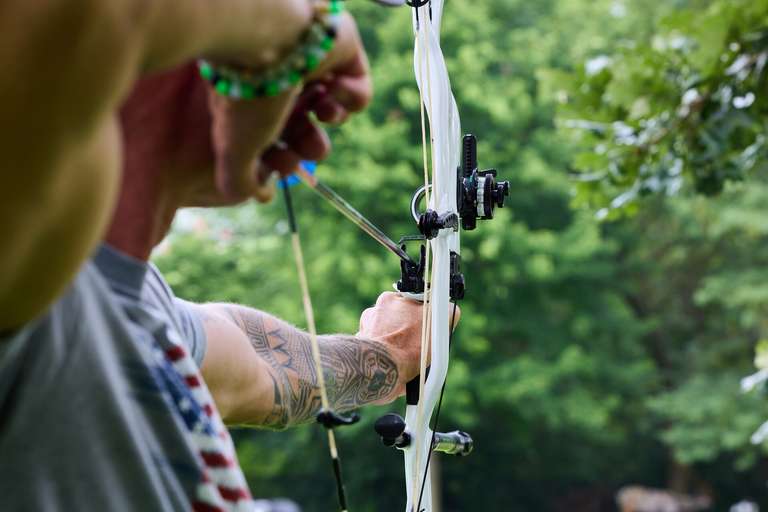
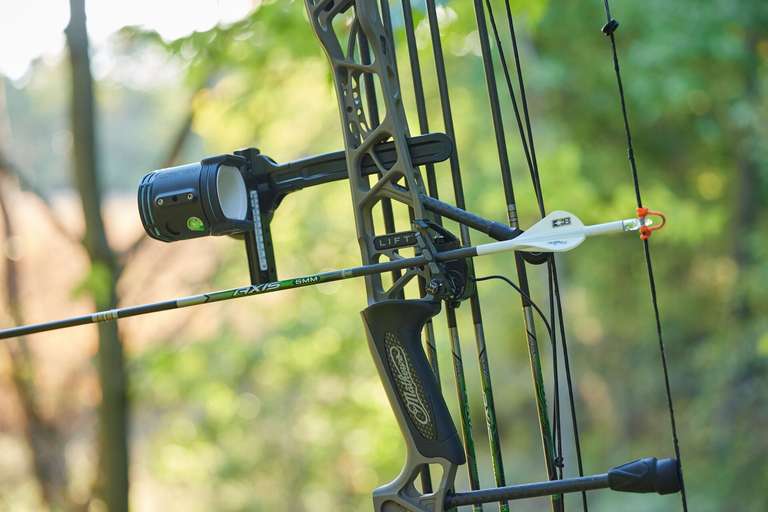
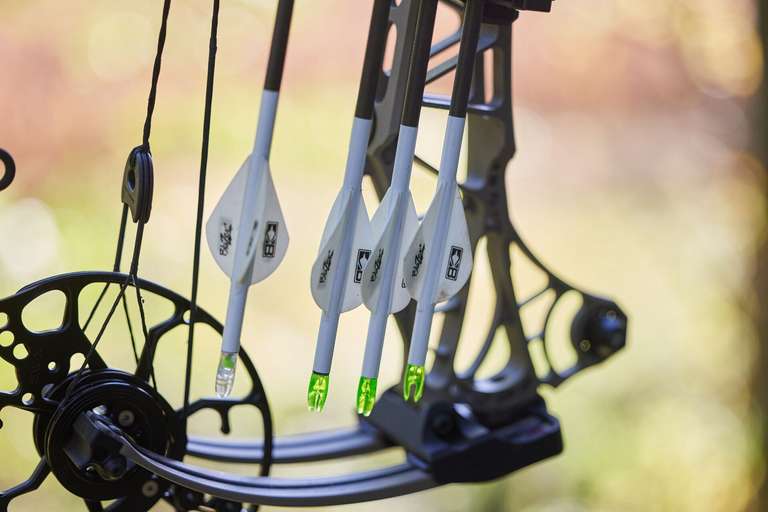
- Choose the right bow for you. Schedule a time to visit a local pro shop to test different types of bows: compound, recurve, or longbow. Find the one that works for your body type, strength, needs, and budget. Before you go, know what the parts of a bow are.
- Find a good archery coach. When learning archery, it's easy to layer on bad habits on top of good ones. Talk with your local archery shop to see if they offer lessons, or contact a local USA Archery coach.
- Set a consistent practice schedule. To maintain accuracy, establish and maintain a practice routine that includes fixed distances, 3D targets, and field scenarios that mimic hunting conditions.
- Check local hunting laws. Know what the archery seasons are for various species, bag limits, and licensing requirements. Some states require bow hunters to pass a skills test before getting a license or tag.
- Purchase a hunting license and appropriate tags. You must have these in your possession when hunting.
Even though it's tempting to race ahead as you learn beginner bow hunting, remember that building a solid foundation is critical to your long-term success as a hunter.
What Is the Best Bow for Beginner Bow Hunting?

Traditional bows such as the recurve and longbow are much simpler to use and tune. You don't have to learn as many moving parts or carry a toolbox in the field to handle any mechanical issues, as you would with a compound bow. However, they require greater strength and patience to shoot accurately and to understand the limitations of your effective range.
Many compound bows have adjustable draw weights that you can change as you build strength and skill. Some modern recurves offer similar advantages, allowing draw weight to be increased or decreased with replaceable limbs.
Regardless of which type of bow you choose, start by getting a proper fit and setup at your local bow shop. A good shop can help you find the appropriate draw length and weight for your body while letting you try several types of bows.
Most aspiring bowhunters start with a draw weight that's too heavy, which leads to sloppy technique and poor shots.


What Kind of Practice Do I Need for Bowhunting?
Archery training should focus on two areas: range practice and field practice.
Range Practice
Range practice focuses on the fundamentals. Start close to the target, build good mechanics, and develop a consistent, effective shot process. As your accuracy improves, increase your distance from the target.
Most ethical archery shots take place between 8–20 yards for recurves and longbows, and between 20–40 yards for compounds. Work your way up to the longest distance for your bow: your goal at the range should be to put a group of three arrows in a six-inch circle at any of those distances.
Field Practice
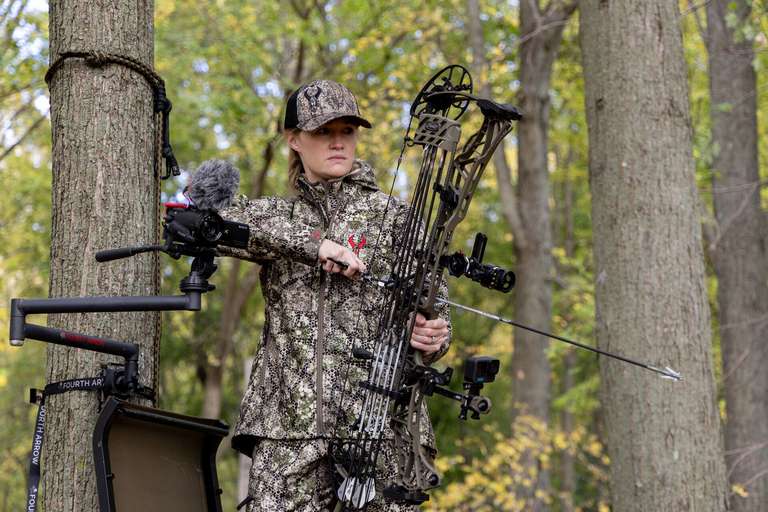
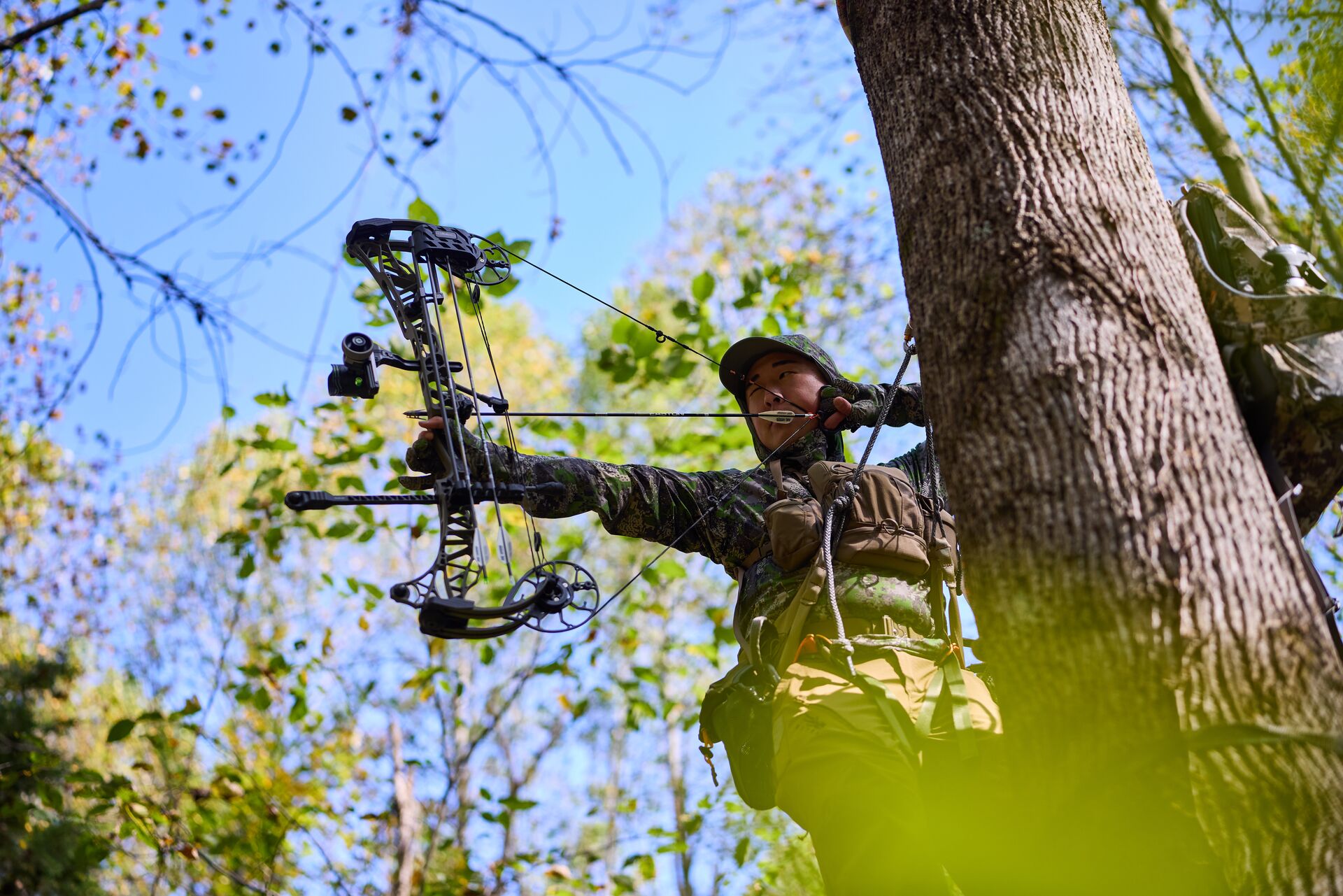
Field practice is when you take the fundamentals you've honed at the range and replicate hunting conditions. Shoot from tree stands, ground blinds, uphill, downhill, in low-light conditions, and while kneeling.
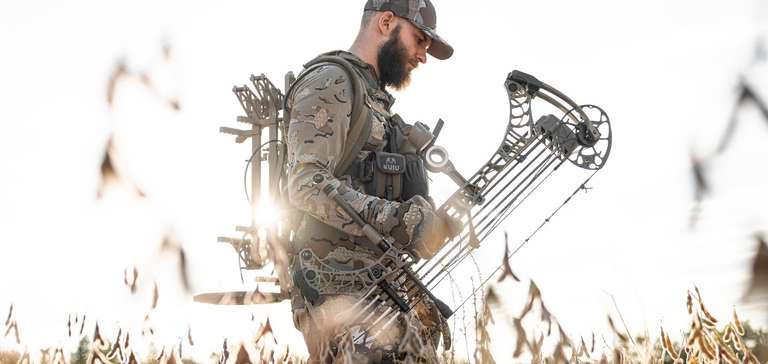
Replace paper targets with 3D targets of the species you're hunting. You should also wear your hunting clothing and gear (including binocular harness and pack, if you use them) to ensure you can easily work the bow.
To simulate the pressure of a hunt, use a shot timer. Your objective is not to use the timer to shoot faster, but to create a sense of urgency that will reveal flaws in your techniques that you can revisit and fix at range practice.

Is Bowhunting More Difficult Than Rifle Hunting?
In a nutshell, yes. The challenge of learning how to start bow hunting is often a large part of the weapon's appeal to hunters, and it's why many choose bow hunting over rifle hunting.
To get within an archer's effective range in any condition, you must rely on stealth and proximity to get within range of the animal, draw without being seen or heard, and place the arrow within a six-inch target. Being a successful bowhunter requires you to operate within an animal's scope of awareness, where they can detect any slight movement or scent.

It's critical to exercise patience and discipline when taking the correct shot at the right time.
Although bowhunters and rifle hunters will debate the efficacy of arrows on large game, arrows do not deliver a high-speed shock wave that can temporarily disable an animal. Arrows rely on massive blood loss to be effective, which means deer, elk, and moose may travel a few hundred yards or more before bleeding out and expiring. This requires a higher level of tracking skills from the bowhunter.
These challenges, and the intimacy that comes from close encounters with animals, create a more profoundly rewarding experience for the bowhunter, with every harvest feeling truly earned.
What Are the Safety Rules for Bowhunting?
Even though a bow is not a firearm, it still launches dangerous projectiles that can cause serious harm. Follow these safety rules when handling your bow as you learn to hunt.
- Always point a nocked arrow in a safe direction.
- Never draw unless you're ready to shoot at a clearly identified target.
- Know what's in front of your target and beyond.
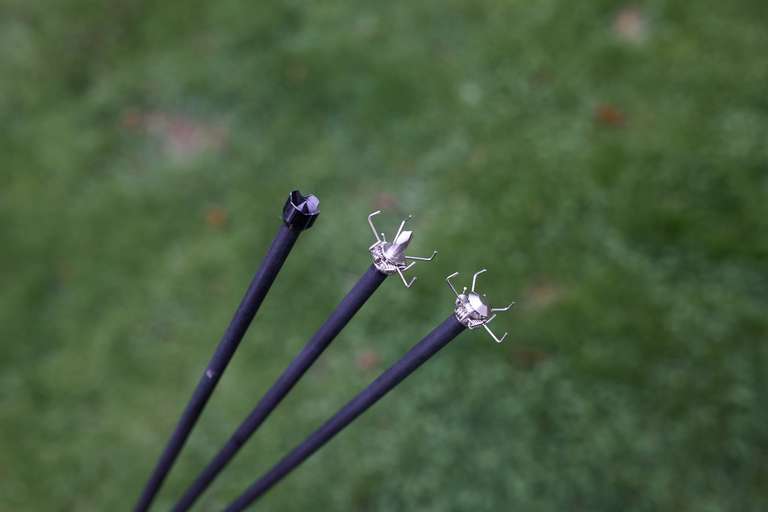
- Keep broadheads sharp and in protective cases when not in your quiver.
- Use a safety harness and a Fall Arrest System when hunting from tree stands.
- Don't "overbow"—stay with a draw weight you can consistently pull and shoot accurately
- Create a hunting plan and share those details, including an expected return time, with hunting partners and loved ones.
And of course, follow state hunting regulations and safety laws to protect yourself, wildlife, and natural resources.

Start Bowhunting with Hunter Education
Learning how to start bow hunting is a study of the art of patience. From selecting the right gear for your needs to developing the necessary skills to consistently and accurately put an arrow on target requires time, practice, and dedication.
Before you get out with a bow, make sure you've taken a hunter education course. Taking an ilearntohunt hunter safety course is a fantastic first step on your journey!
In addition to learning about archery equipment, safety, shot placement, and basic field skills, you'll also discover critical safety protocols and vital conservation concepts that will help you become an ethical and successful hunter throughout your bowhunting experience.
Plus, ilearntohunt helps you meet your state's hunter education requirements to get a hunting license and pursue wild game with your bow.

Frequently Asked Questions (FAQs)
We have answers to common questions about how to start bowhunting!