How Does Hunting Affect Carrying Capacity?
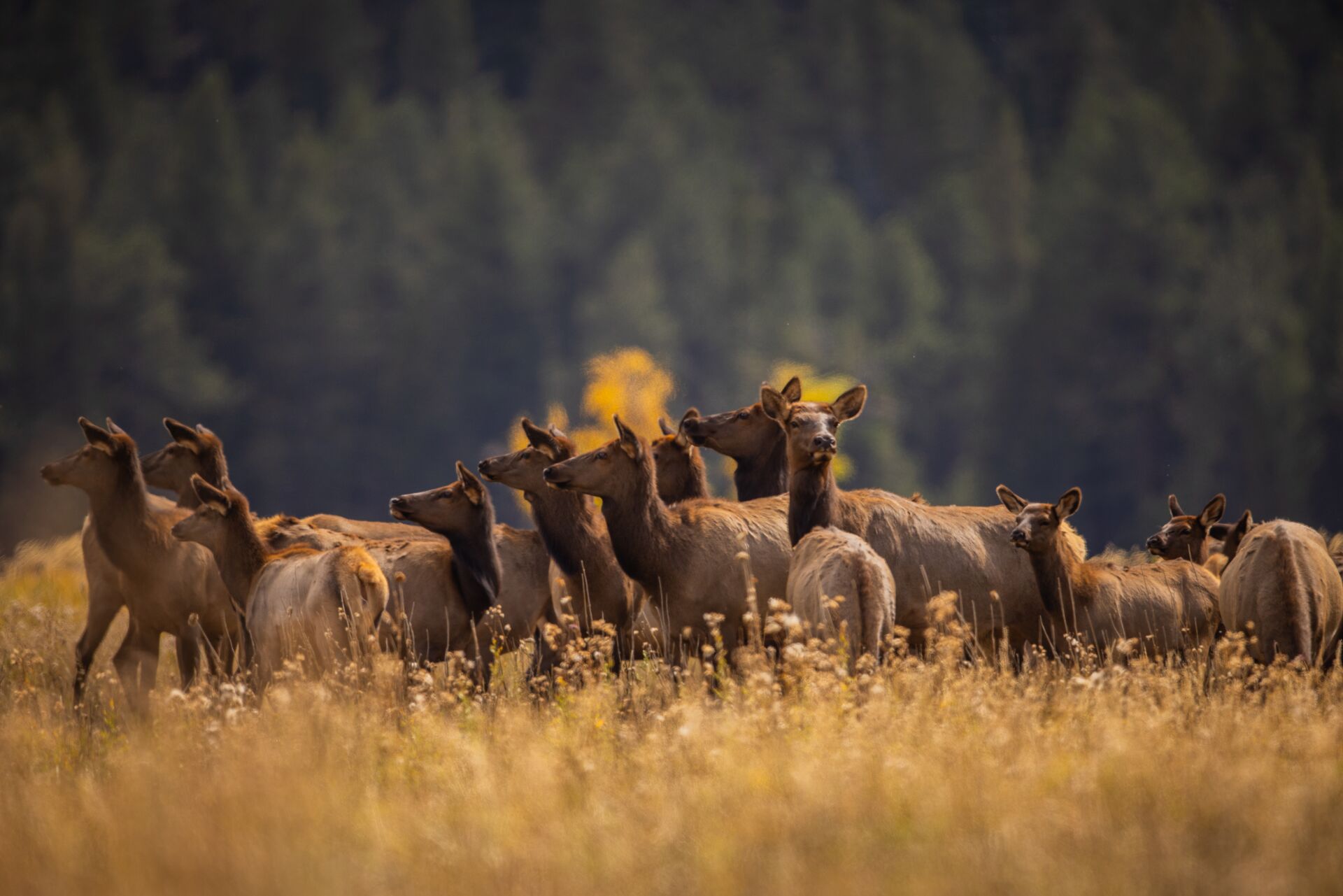
When most people think about hunting, they tend to focus on the harvest and the critical steps to being safe in the field. Removing an animal from the population while providing a clean source of food for the table. However, hunting’s most important impact is on a habitat’s ecological carrying capacity.
Hunters (and hunting) play a direct role in managing animal populations, which, in turn, protect habitat health and biodiversity, reduce disease, and improve long-term ecosystem stability.
Keep reading as we look into how hunting impacts carrying capacity and why it's crucial to understand this as a hunter.
How Does Hunting Impact an Ecosystem?
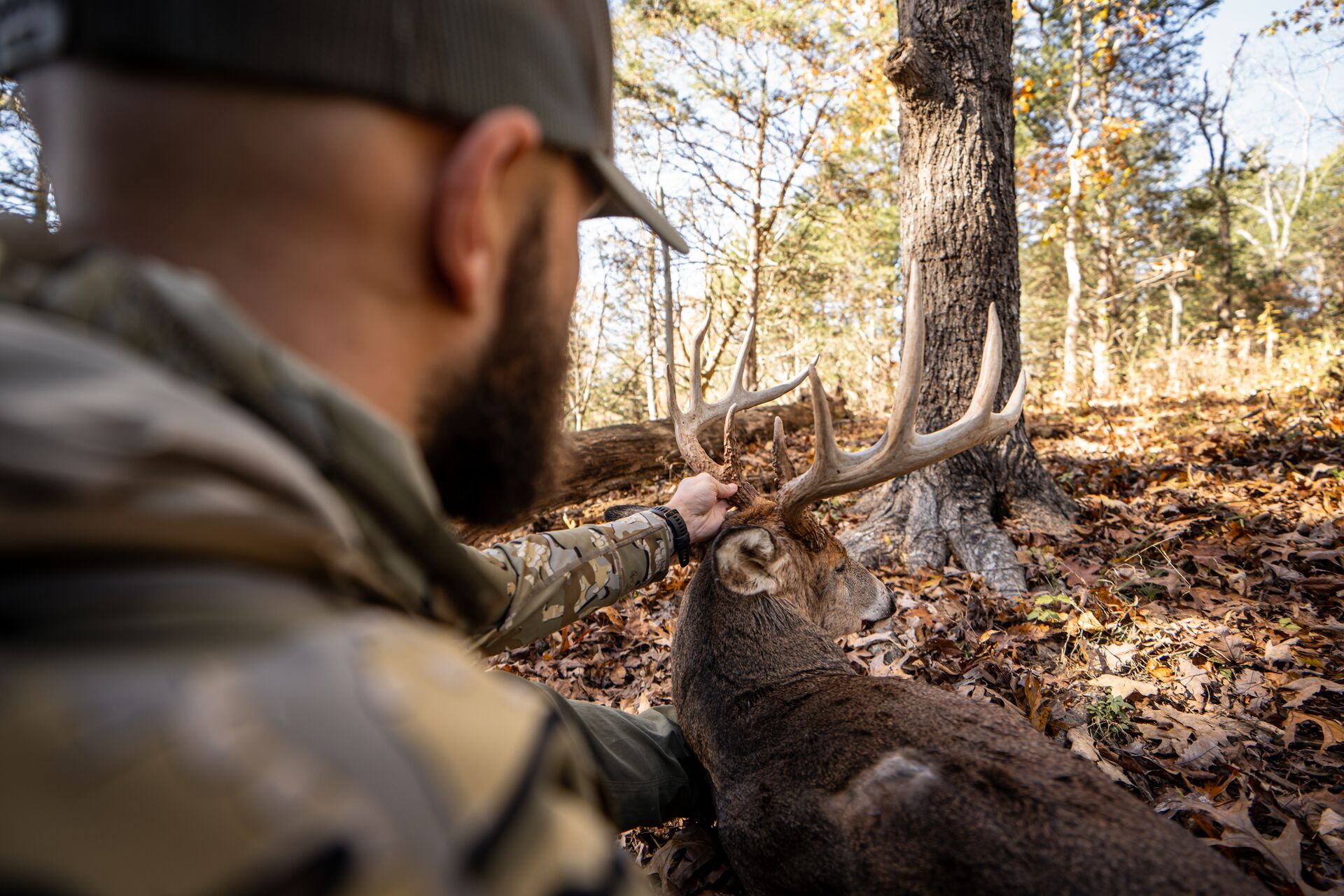
In areas where the density of apex predators such as wolves or mountain lions is low, hunters can assume the role of regulating prey populations. Hunting can be a primary tool in wildlife population management by:
- Balancing predator-prey relationships when natural predators are absent or in low numbers.
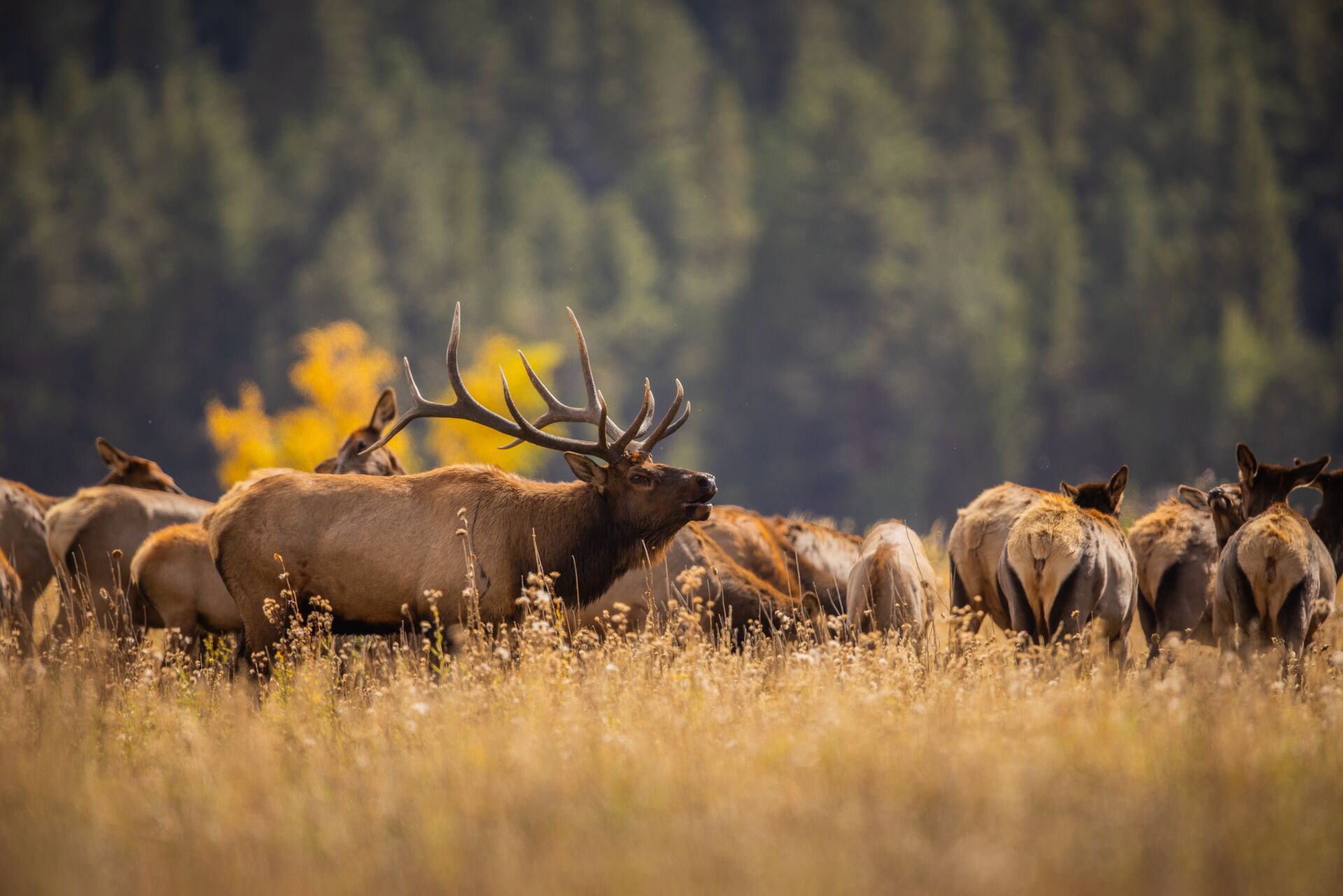
- Preventing overpopulation in ungulates like deer and elk to reduce overbrowsing.
- Reducing competition within a species to ensure adequate food, water, and shelter.
- Protecting diversity in plants and habitats by reducing grazing pressure from one species that would negatively impact other species.
Without predators, wild or human, some animal populations can exceed ecological carrying capacity.
What Are the Benefits of Regulated Hunting?
Regulated hunting combines ethics, science, and policy to create a framework that helps develop long-term benefits for wildlife and people.
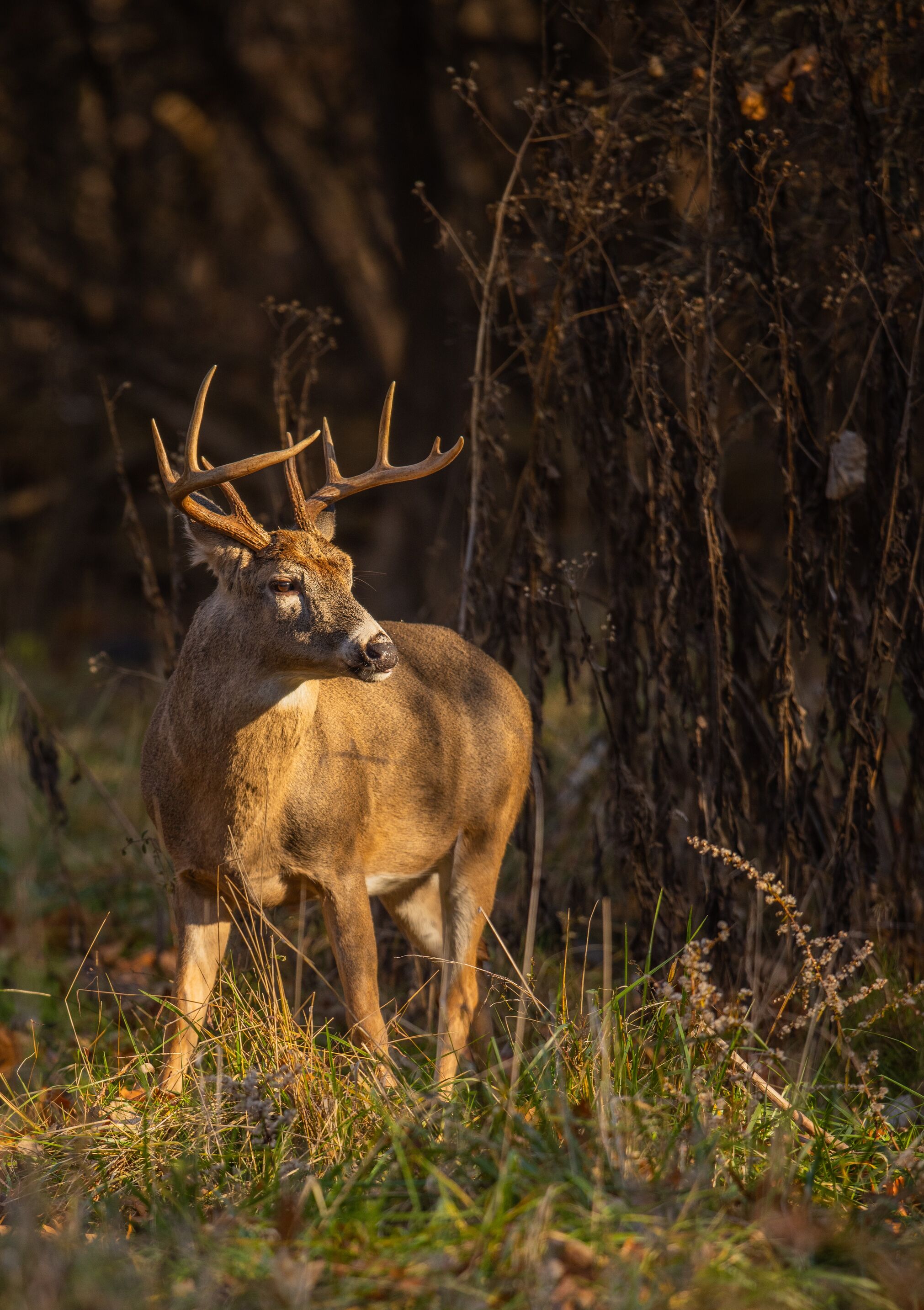
Revenue generated from federal excise taxes on firearms and ammunition, as well as state funds raised from the sale of hunting licenses and tags, provides critical dollars for national and local conservation programs. This money supports habitat restoration, research, law enforcement, and public land acquisition vital to conservation efforts.
Sustainable Levels
Regulated hunting also keeps wildlife populations at sustainable levels through harvest quotas. These quotas are calculated every season using current population estimates, previous harvest numbers, and habitat changes to align with long-term management objectives.
Biodiversity
Properly managed hunting quotas encourage biodiversity.
By preventing the dominance of a single species, hunting can open up space for multiple animal and plant species to flourish. Deer, for example, can create tremendous browsing pressure, significantly reducing the availability of the flora that other species rely on for survival.
Reduces Conflicts
Hunting as a population control method also reduces human-wildlife conflicts.
For example, deer that have enough food and shelter in their natural habitat are less likely to damage agricultural fields, destroy urban landscapes, and avoid highways, thereby reducing deer-vehicle collisions.
Supporting the Local Economy
Hunters also support local economies, specifically in rural communities that rely on seasonal hunting traffic. Sporting goods stores, gas stations, hotels, and restaurants benefit from hunter spending.
And most importantly, regulated hunting supports ethical stewardship and sustainable harvests. Engaging in ethical hunting and fair-chase practices not only benefits wildlife today but also establishes a standard for future generations to follow.


Why Is Population Control Important for a Healthy Habitat?
Wildlife population management is more than controlling the seasonal harvest.
Think of nature as a bank and ecological carrying capacity as the maximum withdrawals a habitat (account) can sustain. If wildlife withdraws resources faster than they can be deposited, the account goes into debt and eventually collapses.
Keeping that account healthy through population control via hunting achieves:
- Balance between predators, herbivores, plants, and the soil
- Healthy habitats with healthy biodiversity in flora and fauna
- Ecosystems resistant to disease and malnutrition
- Habitats that are positioned to recover and naturally regenerate quickly
Population control improves a habitat by creating a sustainable environment for both wildlife and human needs.
What Happens When Deer Population Exceeds Ecological Carrying Capacity?
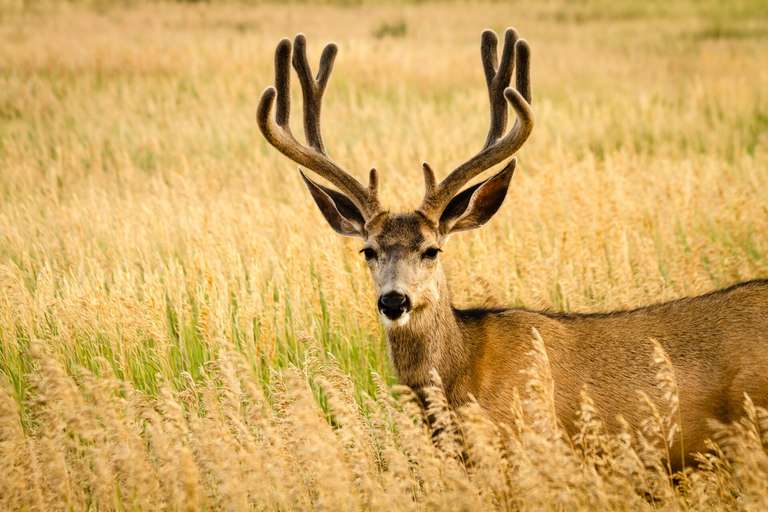
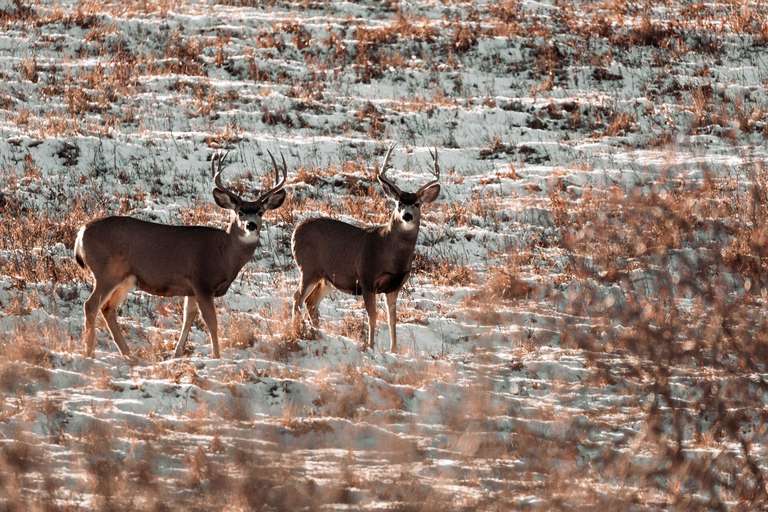
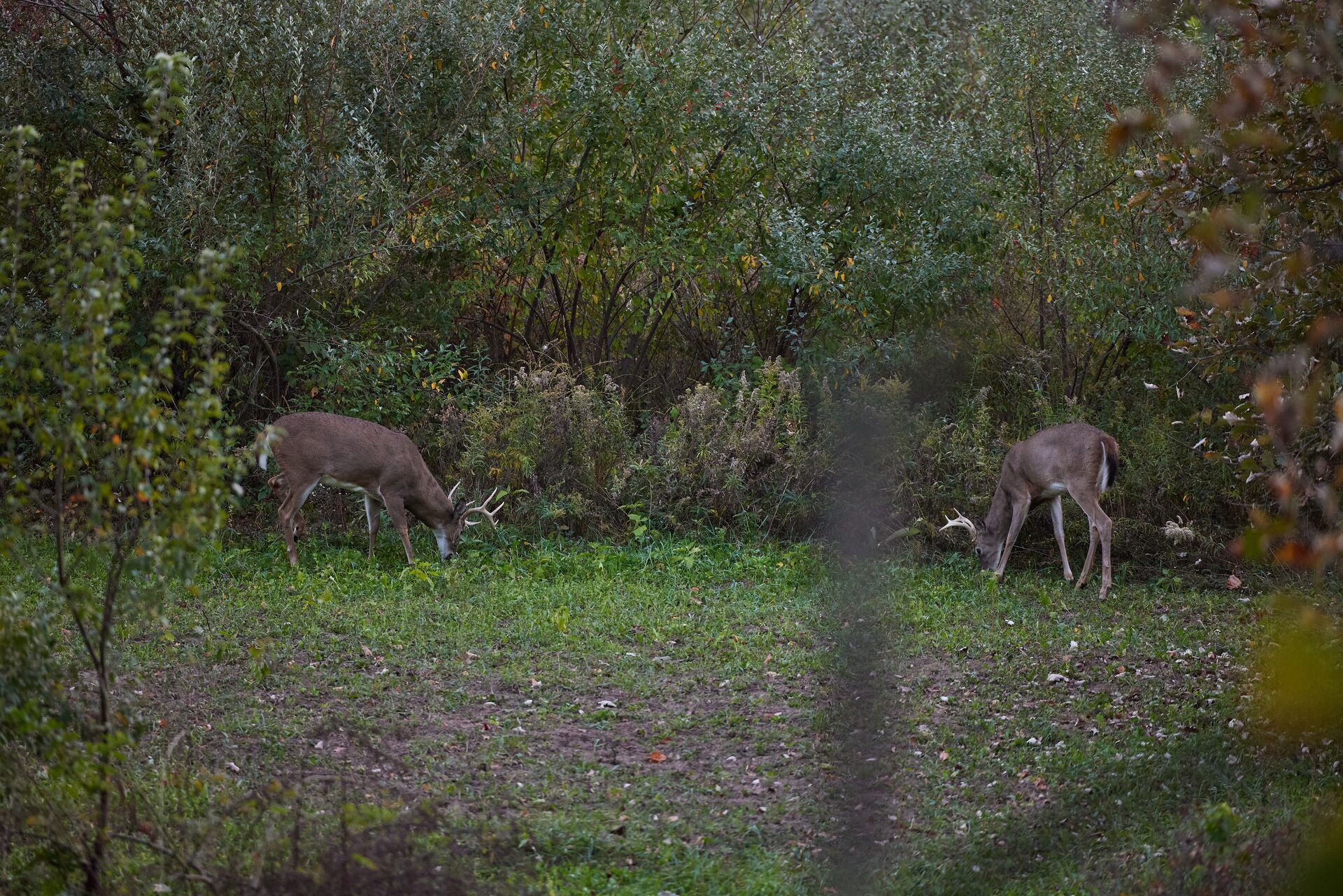
Deer populations and overall deer herd health present one of the clearer examples of what happens when a habitat’s carrying capacity is surpassed.
As deer numbers exceed the ecological carrying capacity:
- Overbrowsing eliminates understory plants, and forest floors are stripped bare with no chance of regeneration.
- Plant diversity declines, affecting smaller mammals, birds, and insects.
- Disease spreads more rapidly through densely populated herds.
- Human-deer conflicts increase, resulting in more property damage and vehicle collisions.
- Overall, deer population health decreases as reduced food supply leads to malnutrition and lower reproductive success.
Once deer, or any other species, has caused harm to an ecosystem, the recovery effort is a long-term game. Invasive plants that deer won’t consume often take over native vegetation, and soil erosion can increase if plant cover is removed. This damage further reduces the habitat’s ability to support wildlife and can create a downward spiral that is challenging to reverse.

How Do State Wildlife Agencies Manage Game Populations?
State and national wildlife agencies rely on a variety of tools to manage sustainable game populations.
Their primary asset is data collected through aerial counts, harvest reports, population surveys, and biological samples to assess a species’ health and identify potential trends.
Hunter Management
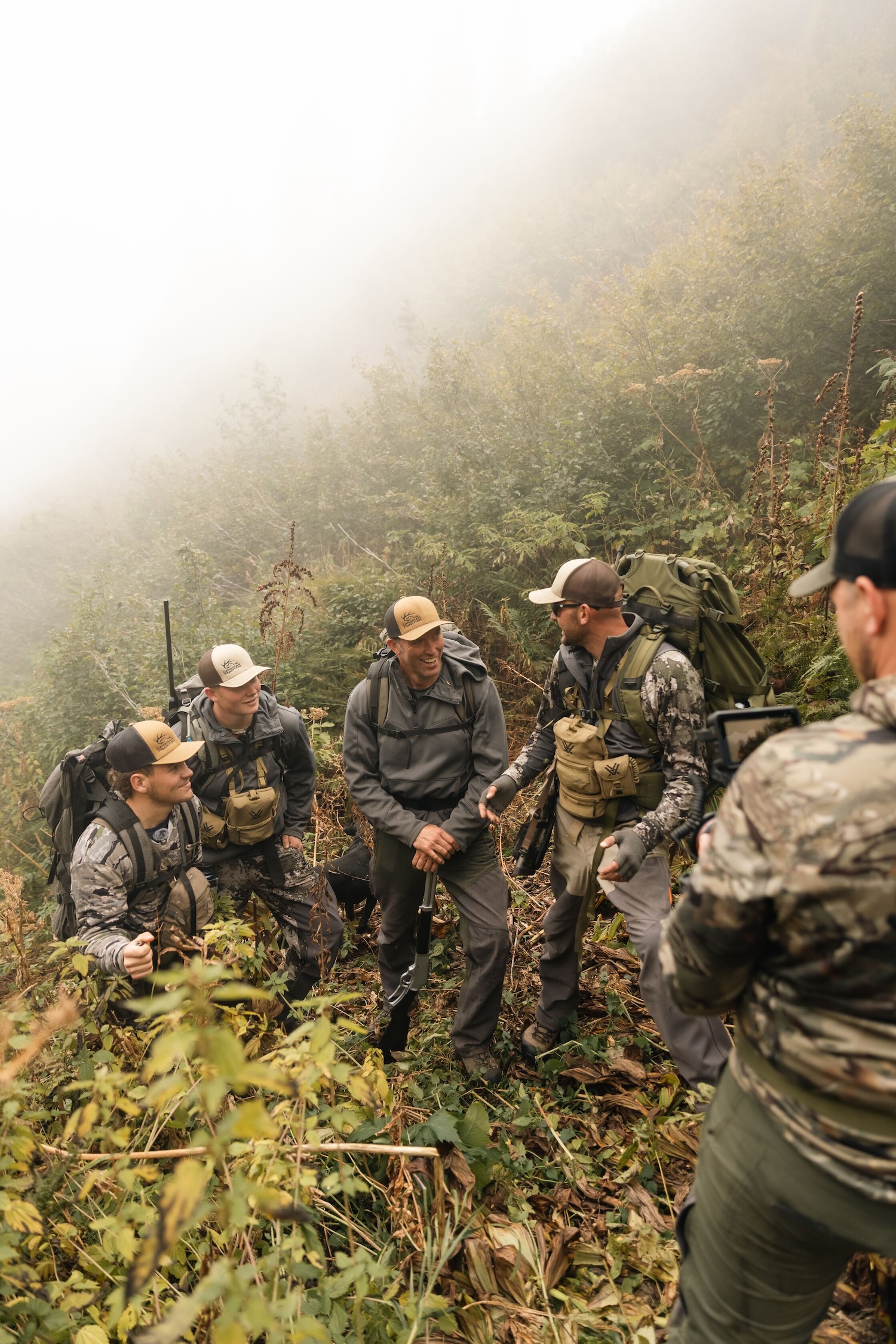
Agencies then issue licenses and permits to control the number of hunters in the field and to match expected harvest success. Tag systems, such as limited-entry draws vs. over-the-counter purchases, let wildlife managers fine-tune harvest levels as animal populations rise or fall.
Policy Development
Field research to monitor habitat health is also used to develop game management policies. Biologists measure plant diversity, assess browsing pressure and water availability, and track disease to identify issues that could affect a population.
If issues are found, biologists will work with local volunteer groups to restore damaged habitats and reintroduce species to rebalance ecosystems.
Outreach
Agencies also employ public outreach and hunter education programs as part of their wildlife management approach. Promoting ethical hunting and how hunters fit into the broader conservation vs. preservation discussion is critical to the long-term health of ecosystems and to science-based management.
Learn More About Your Role as a Hunter with Hunter Education
As a hunter, you play a vital role in protecting habitat, ensuring biodiversity, and managing the land’s ecological carrying capacity. Participating in a system designed by scientists and funded by hunter dollars helps wildlife populations by protecting both the animals and the habitat.
When you legally harvest an animal, you’re doing more than filling your freezer with nutritious and clean protein. You’re choosing to be an active partner in maintaining nature’s balance.
To learn more about how you can have an even bigger conservation impact, take a hunter safety course through ilearntohunt. In addition to learning hunting fundamentals and fieldcraft, you’ll gain knowledge on the science, ethics, and responsibilities of a conservation-minded hunter who can help keep ecosystems healthy for generations to come.
Plus, you'll work toward meeting your state's requirements for hunter education before getting into the field for a hunt.

Frequently Asked Questions (FAQs)
We have answers to questions about how hunting affects carrying capacity!
Q: How does hunting impact an ecosystem?
A: Hunting impacts an ecosystem by influencing population sizes, predator–prey balance, and vegetation health. When managed properly, it helps keep wildlife populations in balance with available resources.
Q: What are the benefits of regulated hunting?
A: The benefits of regulated hunting include helping to prevent overpopulation, reducing habitat damage, lowering the risk of disease, and generating funding for conservation through license fees and taxes.
Q: What happens when deer population exceeds carrying capacity?
A: Too many deer can overbrowse plants, damage forests, reduce food for other species, increase disease spread, and lead to starvation and more vehicle collisions.
Q: How do state wildlife agencies manage game populations?
A: Wildlife agencies use scientific data like population surveys and habitat studies to set hunting seasons, bag limits, and rules that keep populations sustainable.
Q: Why is population control important for a healthy habitat?
A: Balanced populations prevent habitat degradation, support biodiversity, and ensure wildlife has enough food, shelter, and space to thrive long-term.