First Aid for Hunters: Tips for Hunting Emergencies
One of my favorite outdoors maxims is "You are your own first responder."
Hunting often takes place in remote areas, far from hospitals and rapid-response emergency medical personnel. You'll be around weapons, sharp edges, and the unpredictabilities of Mother Nature, so knowing first aid for hunters is critical.
With a well-stocked hunting emergency kit and a few tips on handling injuries, you'll be able to build the skills to survive in the outdoors until professional help arrives. Keep reading to learn what to carry in your first-aid kit and how to respond in hunting emergencies.
What Type of Emergencies Can Happen When Hunting?
The outdoors can be unpredictable, so expect to encounter an accident or medical issue at some point in your hunting journey.
Unfortunately, hunters face several common challenges in the field, including:
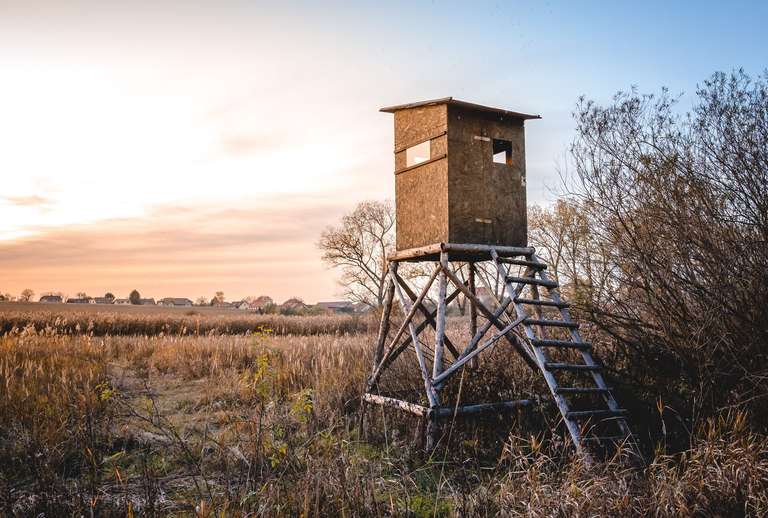
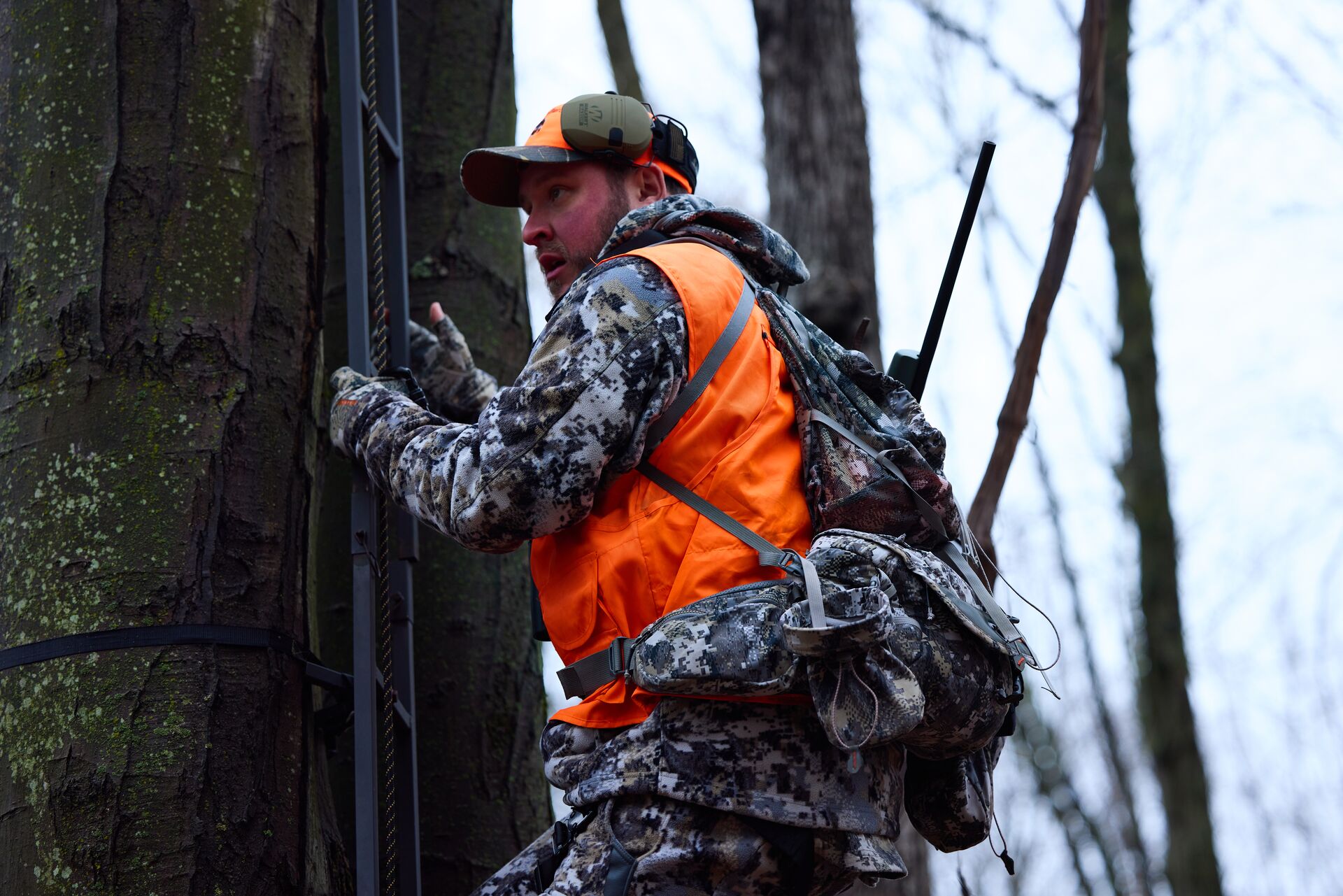
- Falls from tree stands or elevated positions, or scrambling through deadfalls and steep terrain, are the most common cause of hunting injuries.
- Accidental gunshot or bow injuries due to improper weapons handling, ricochets, or mechanical failures can cause devastating damage in seconds.
- Cuts and lacerations from broadheads, knives, rocks, branches, and sharp gear can range from minor annoyances to deep wounds and significant blood loss.
- Sprains, dislocations, and fractures can happen from falls and slips while crossing uneven or slippery terrain.
- Hypothermia, heat exhaustion, or dehydration can quickly end a hunt.
- Animal-related injuries such as stings, bites, or harm from defensive animal attacks are uncommon, but can quickly turn problematic—especially if you are miles from a trailhead.
- Getting stranded or lost can hamper hunters in low-visibility conditions, when landmarks are scarce, or when their navigation devices are unusable due to dead batteries or damage.
The best "response" to hunting accidents is prevention and knowing how to stay safe in the field. However, even with the best preparation, accidents can happen. It's important to bring first-aid supplies with you and know what to do when something go wrong.
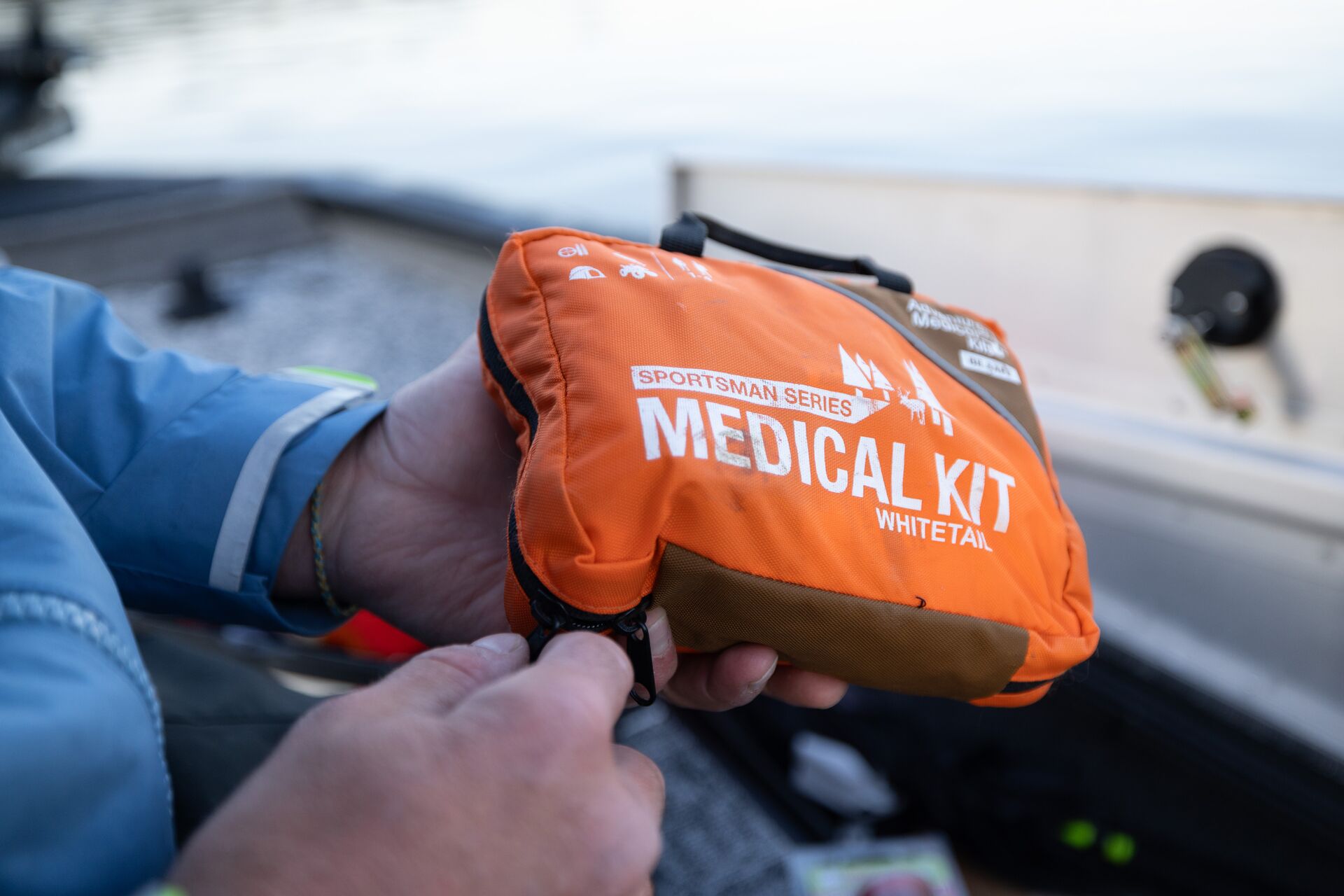
What Should Hunters Carry in Their Hunting First Aid Kits?
Overall, hunting is a safe outdoor activity. Hunting first aid kits don't need to cover every conceivable medical emergency; they only need to address common mishaps in the field.
Wound Care Basics
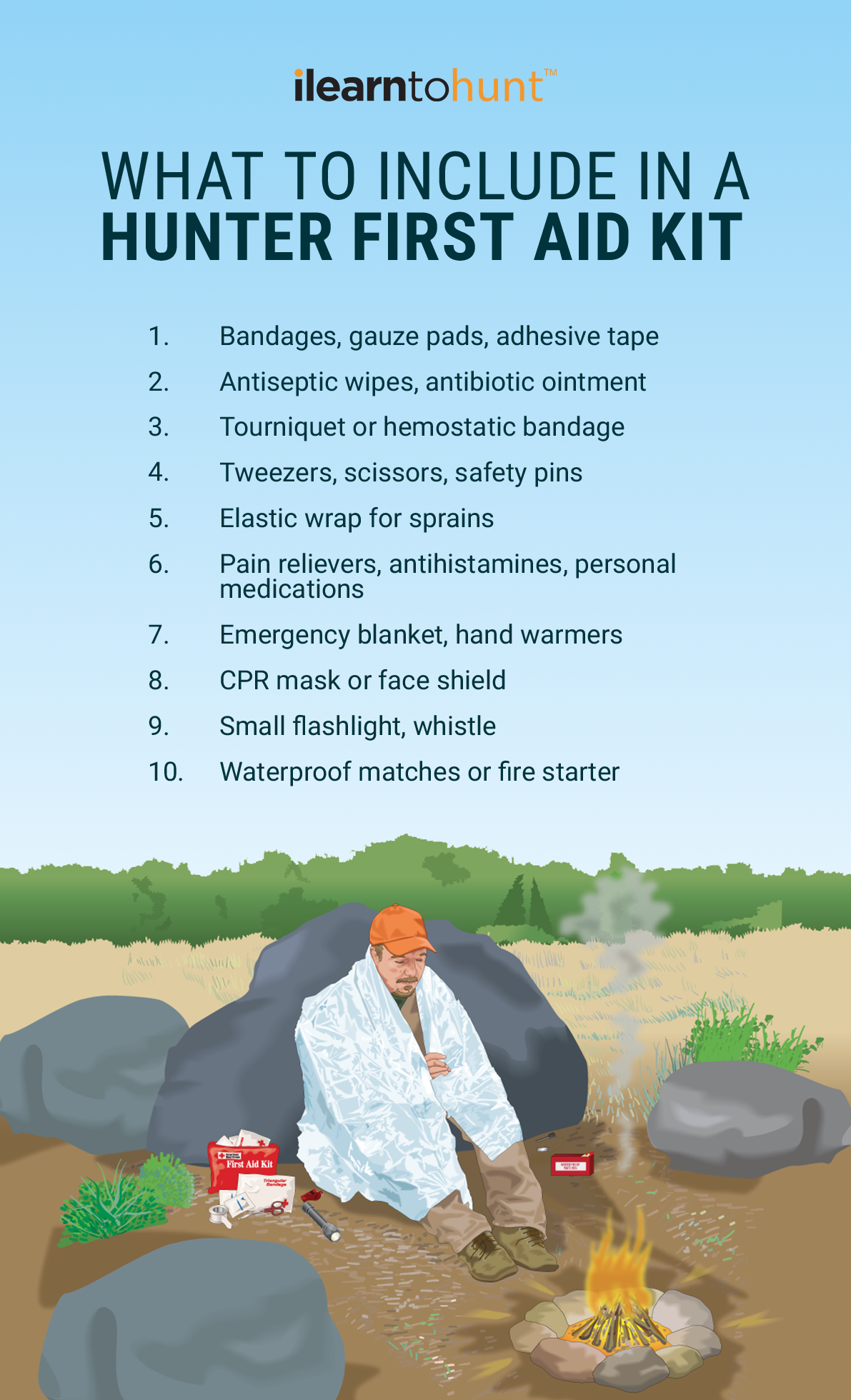
Pack sterile gauze pads of various sizes, adhesive (bandage) tape, and antiseptic wipes to treat minor cuts and scrapes. Consider carrying a small bottle of saline solution to clean wounds before covering them.
Carry and know how to use a tourniquet for major arterial bleeds in legs and arms. Have an S-roll of gauze or gauze treated with a hemostatic agent for severe bleeds in the torso, head, or neck.
Environmental Protection
Include a CPR mask or a face shield and a pair of nitrile gloves in case you need to provide aid to someone else. Put a lighter, waterproof matches, and some tinder in your kit in case you need to start a fire to stay warm.
Miscellaneous Medical Supplies
Include a roll of athletic wrap for minor wrist, ankle, and knee sprains, and consider packing a moldable splint for injured limbs. Always carry tweezers to remove splinters and thorns, scissors (preferably, trauma shears) to cut away clothing or gear, and safety pins to secure bandages or slings.
Don't forget to include antihistamines, personal medications, and an over-the-counter pain reliever.
Communication Tools
Bring a small flashlight and a headlamp so you can work in low-light conditions and signal others. A whistle and a fluorescent pink or blaze orange flag can help you signal other hunters and rescue personnel.
Keep hunting first aid kits in packs or attached to belts. Store your kit in a waterproof container or dry bag, and check your kit before each season to replace any expired medications or damaged items.
How Do You Provide First Aid for Hunters?
In the event of an injury in the field, try to stay calm and focus on solving the task at hand. Panic only wastes time and energy, so begin first aid for hunters by taking a breath.
Then, take these steps:
- Assess the scene and the injured person. Ensure the area is secure and weapons are stored safely and unloaded before providing assistance. Check to see if anyone is in immediate danger, if the victim has a major bleed, and if they can breathe and talk.
- Look for—and stop—life-threatening bleeds. Use direct pressure, a tourniquet, or hemostatic gauze as needed to stop bleeding. If the victim has a gunshot injury, look for entrance and exit wounds.
- Ensure the person's airway is open. Check for airway obstructions and assess if the person is experiencing any difficulty breathing.
- Clean and cover wounds. Use antiseptic wipes and sterile dressings to prevent infection and manage minor bleeding.
- Immobilize sprains and fractures. Use a moldable splint, or a DIY splint with trekking poles or branches to keep an injured limb stable.
- Treat for shock. Keep the injured person warm and comfortable. Provide small amounts of liquid to maintain hydration, and keep an eye on alertness (which could be an indicator of shock or a head injury).
- Call for help. Use your phone or satellite device to contact emergency personnel for guidance and rescue. Be sure you can provide the coordinates of your location.
- Evacuate to professional medical care. There are no prizes for "toughing out" serious injuries. Get the injured person to the next higher level of care as soon as possible.
How Do You Stop a Bleeding Wound?
Severe bleeding, or a massive hemorrhage, is the leading cause of preventable death from trauma. Having the equipment and the skills to stop a major bleed is critical.
- Apply direct pressure to the wound with gauze or a clean cloth.
- Elevate the injured area above the level of the heart, if possible.
- If the bleeding continues, apply a hemostatic bandage or pressure dressing to the affected area.
- Use a tourniquet on an extremity if you cannot control life-threatening bleeding by any other means.
- Maintain direct pressure until bleeding stops or professional medical help arrives—never loosen a tourniquet.
If you do not know how to perform these steps or are not comfortable doing so, take a Stop the Bleed course and a certified hunter education course to learn detailed first-aid and emergency response protocols.

Hunter Education Helps You Be Prepared for Hunting Medical Emergencies
As a hunter, you should plan for emergencies before they happen. Have a well-stocked hunting emergency kit, know how to use it, and always share your hunting plans with close friends and family.
The backcountry can be unforgiving, so take your safety seriously. Most hunting injuries are preventable with common sense, good judgment, and exercising proper safety protocols.
Taking a hunter education course through ilearntohunt is one of the best ways to make sure you're prepared for something to go wrong in the woods. You'll learn hunting first aid, safety, and critical outdoor survival skills, and how to prevent situations that could lead to an emergency in the first place.
Each state-specific course teaches essential first aid for hunters and emergency response measures, helping you develop the critical decision-making skills to avoid and minimize emergencies. Plus, most states require hunters to pass a hunter safety course before hunting.
Make sure you're ready for a safe hunting season (and comply with your state's requirements)!
Take the ilearntohunt hunter education course for your state.
Frequently Asked Questions (FAQs)
We have answers to common questions about first aid for hunters and responding to emergencies in the field.
Q: What should a hunter carry for emergencies?
A: Hunters should carry a basic first-aid kit, a map/compass or GPS, fire-starting tools, an emergency blanket, a whistle, extra food and water, and a charged communication device.
Q: What is the first thing a hunter should do in an emergency?
A: In an emergency, hunters should stay calm, assess the situation for immediate danger, and ensure their own safety before calling for help.
Q: How do you treat a hunting injury?
A: To treat a hunting injury, provide basic first aid: control bleeding, protect the injured area, keep the person warm, and contact emergency services as soon as possible.
Q: What are the most common hunting injuries?
A: The most common hunting injuries include falls, sprains and fractures, cuts, hypothermia, and accidental firearm-related injuries.
Q: How do you stop a bleeding wound?
A: To stop a bleeding wound, apply firm, direct pressure with a clean cloth or bandage and seek medical help promptly.
Be ready for a safe hunting season (and comply with your state's requirements)!
Take the ilearntohunt hunter education course for your state.